Last updated November 22, 2026
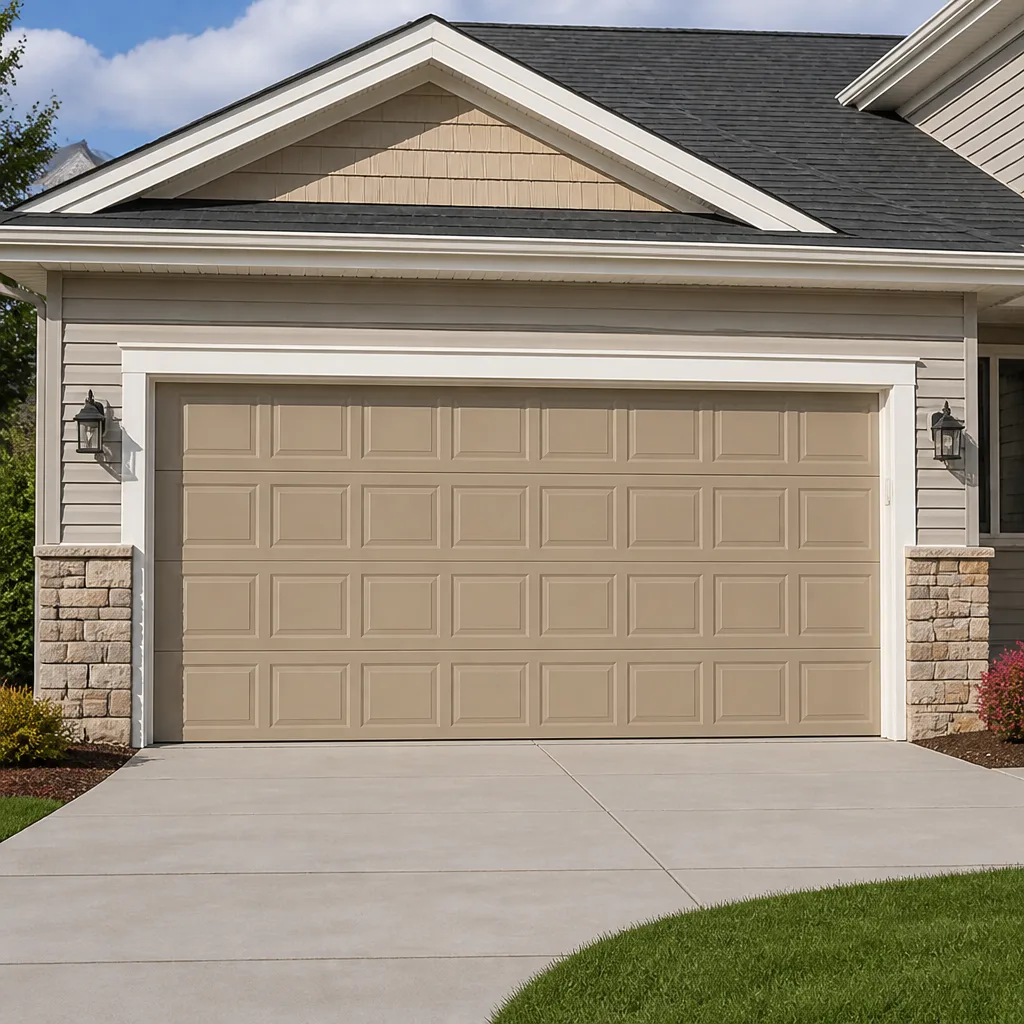 Raised-panel steel
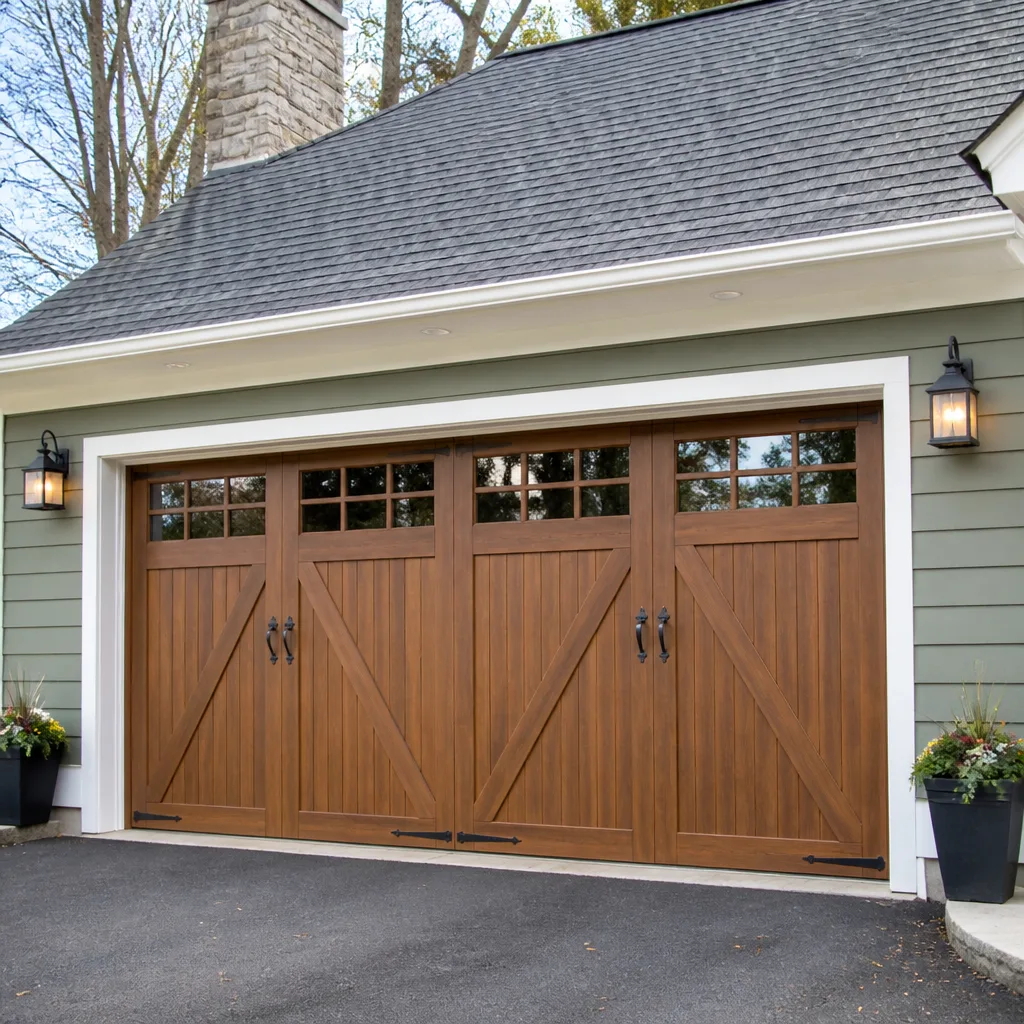 Carriage house
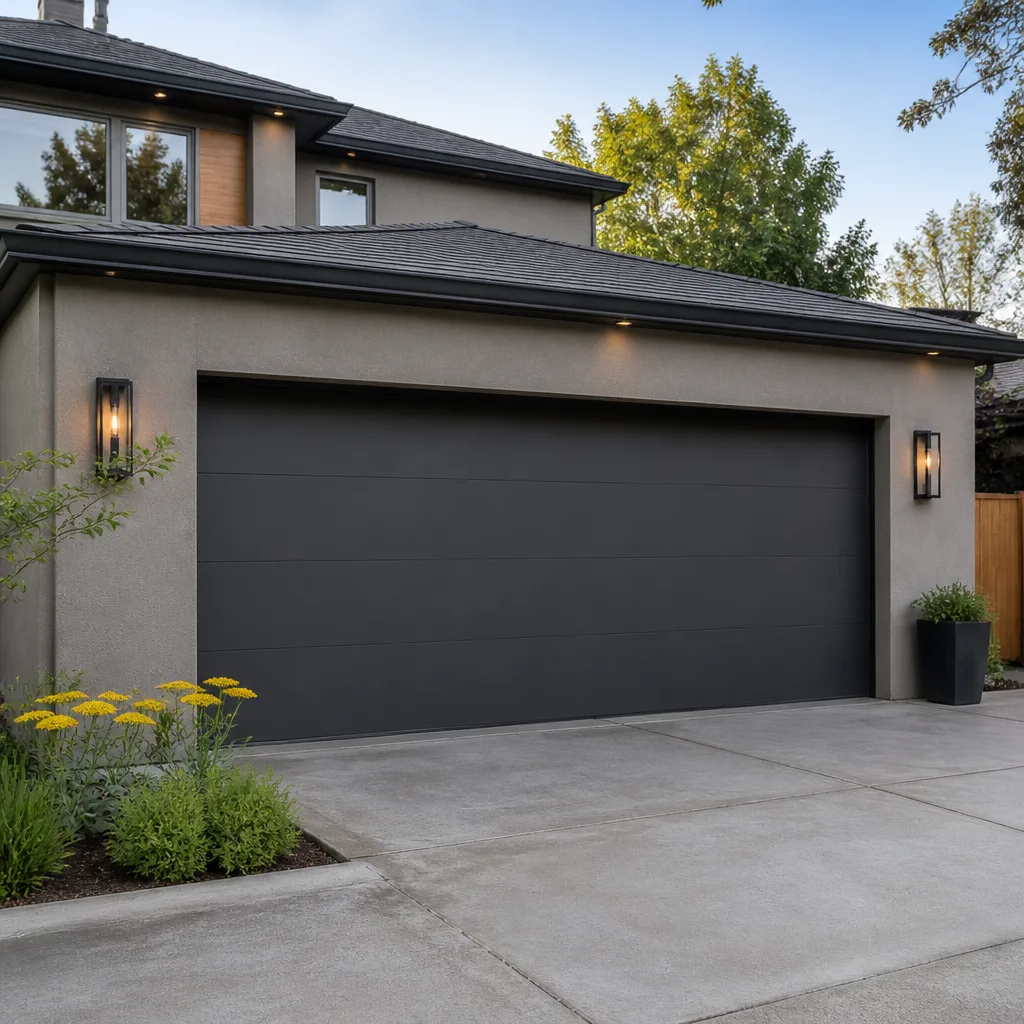 Modern flush
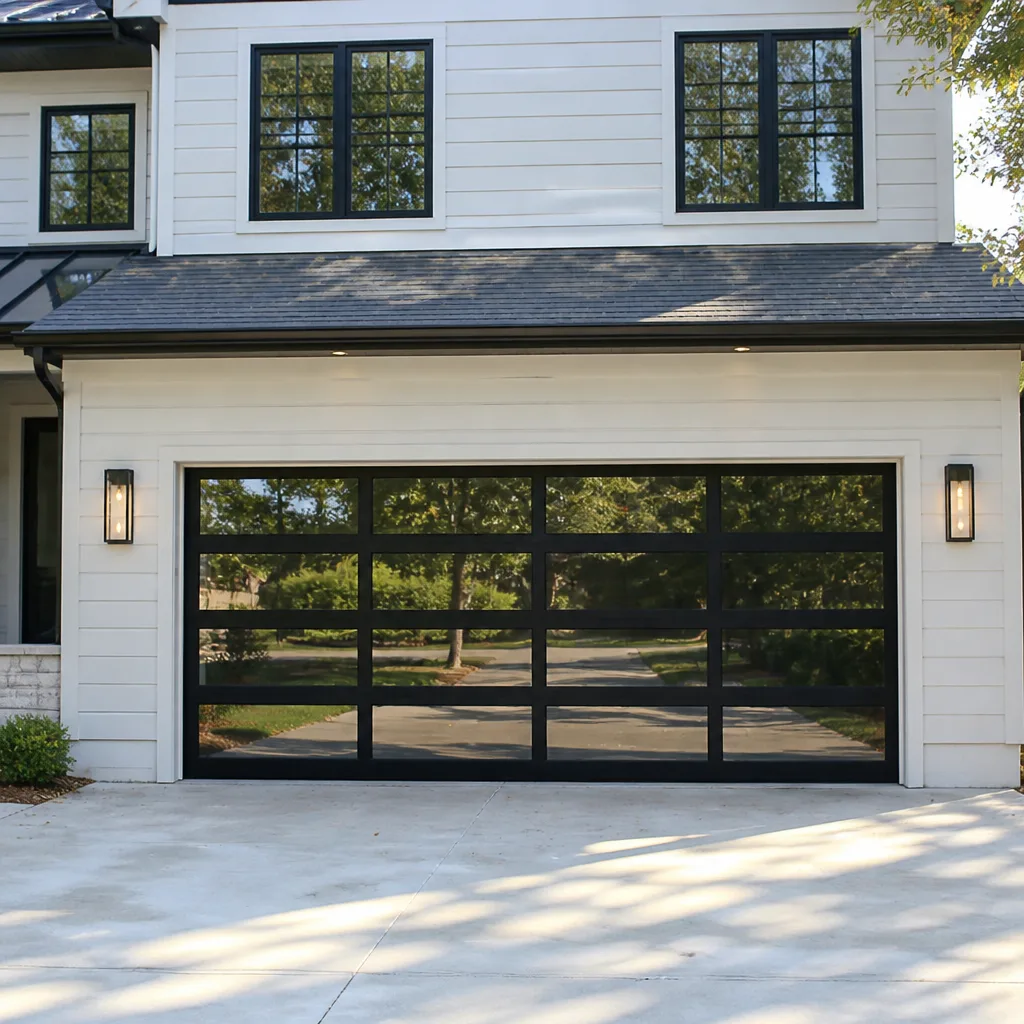 Full-view glass
 LiftMaster openers
 Chamberlain openers
Full 25-point door and opener safety check with every visit - springs, cables, rollers, tracks, and your LiftMaster or Chamberlain opener included
You get a price before we start. It does not change when the pro arrives.
Get your free estimateHow to Hire a Garage Door Contractor in Dale City: A Step-by-Step Guide
Most homeowners in Dale City shop for a garage door contractor the same way they shop for a used car: by comparing the price tag. That’s the wrong instinct. The real difference between a good hire and a bad one usually isn’t the number at the bottom of the quote – it’s whether the person showing up actually works on garage doors for a living or just added them to a list of services. A generalist can pass a licensing check and still install the wrong spring for your door’s weight. This guide teaches you to spot that gap before you pay for it. You’ll learn the questions that reveal real depth, how to read a quote line by line, and which red flags matter most in the Prince William County market.
Quick Answer
To hire a garage door contractor in Dale City, verify that the contractor is state-licensed and insured as Virginia requires, then ask brand-specific questions about your existing system to confirm they’re a true specialist rather than a generalist. Get a written, line-item quote that names the parts, the spring size or opener model, and the labor before any work begins. The written estimate is the price, so nothing should change at the end unless you approve it.
Styles & brands we work with
- Raised-panel steel
- Carriage house
- Modern flush
- Full-view glass
- LiftMaster openers
- Chamberlain openers
Table of Contents
- Why a Specialist Beats a Generalist Every Time
- What Virginia Licensing Actually Covers for Garage Door Work
- The Questions That Reveal a Specialist in Five Minutes
- Why Brand Fluency Matters for Your Chamberlain or LiftMaster System
- How to Read a Garage Door Quote Line by Line
- Red Flags Unique to the Dale City Market
- How Northern Virginia Weather and Housing Affect Your Door
- What a Good Hire Looks Like in Practice
Why a Specialist Beats a Generalist Every Time
A garage door is a balanced mechanical system – springs, cables, drums, hinges, rollers and a track, all tuned to the exact weight of the panels. Get any one of those wrong and the door fights itself. A general handyman can hang a shelf and patch drywall, but that skill set doesn’t transfer to a torsion spring under load. And this is the crux of the hire: you’re not buying a repair, you’re buying the judgment to know which part is actually causing the fault.
The garage door market in Dale City is full of companies whose main trade is something else – HVAC, remodeling, general contracting – that tacked garage doors onto their service list because the calls were easy to come by. They may be perfectly competent at what they usually do. But when your door comes off its track, the difference between someone who works on doors every day and someone who reaches for a manual is time, wasted parts, and safety.
Here’s what real specialization looks like in practice:
- Parts knowledge. A specialist knows that a spring is sized to your door’s weight and track radius, not picked from whatever’s on the shelf.
- Brand fluency. They recognize a LiftMaster opener’s generation on sight and know which accessories and remotes match it.
- Tooling. Winding bars, tension gauges, and the specific tools for torsion and extension springs. These aren’t in a generalist’s bag.
- Focused diagnosis. They can tell the difference between a failing opener gear and a door binding on its track, because they’ve seen both hundreds of times.
At Garage Door Repair Dale City, garage doors are the only trade we touch. Every tool, every part, and every hour of technician training goes toward one specialty. Our technicians have up to 13 years of experience, and it’s all garage-door experience – not a side line between plumbing jobs. That’s what lets us handle the repair other companies call complicated, whether it’s a stubborn spring or a door that won’t sit level.
When you’re comparing contractors, treat specialization as the first filter, before price even enters the conversation. If a company can’t tell you what brand and generation of opener you own by looking at it, you’ve learned something important.
What Virginia Licensing Actually Covers for Garage Door Work
Virginia requires contractors to hold a state license through the Department of Professional and Occupational Regulation, and to carry insurance appropriate to the work. That license is a floor – it proves the contractor is operating legally. It is not a quality guarantee. A licensed contractor can still be a generalist who’s never properly sized a spring in their life. Licensing tells you the paperwork is in order; it says nothing about technical depth.
So how do you use the license as one part of a bigger vetting picture?
- Confirm the license is active. Ask for the license number and check it against the state’s records. Any legitimate contractor will give it to you without hesitation.
- Ask about insurance. A licensed contractor should carry general liability and, ideally, workers’ compensation. Ask them to confirm coverage in writing if you’re having major work done.
- Ask what their license class covers. Virginia’s contractor licensing has classes based on project value. For a straight repair, most work falls well within a standard residential class, but it pays to know.
- Don’t treat the license as the finish line. Once you’ve confirmed they’re licensed and insured, your real vetting begins with the technical questions in the next section.
In practical terms, a contractor’s licensing status is easy for anyone to check, which means any fly-by-night operation can clear that bar for a season and disappear. The questions that actually protect you are the ones about the work itself. If a company gets cagey about brand, spring sizes, or how they’ll handle your specific door, that’s worth more attention than a license number.
One more thing worth knowing: garage doors are heavy and spring systems store serious energy. A spring under tension can cause severe injury if it’s handled without the right technique and tools. That’s why the safety question – “how do you handle torsion springs?” – is a legitimate hire question, not an intrusive one. A real specialist will answer it directly and explain their approach to keeping the work safe. You don’t need to know how to wind a spring yourself; you just need to confirm the person doing it does.
The Questions That Reveal a Specialist in Five Minutes
You don’t need a technical background to tell a specialist from a generalist. You need five good questions. Ask these on the phone before you book, and listen to how the answers land. A specialist answers in specifics. A generalist answers in generalities.
- “What brand and generation is my opener?” Give them what’s on the label and see whether they can place it. A specialist who knows Chamberlain and LiftMaster systems will ask you a follow-up about the model or the wall control. A generalist will say “we can work on any brand” without engaging the details.
- “How do you size a replacement spring?” The answer should mention the door’s weight, the spring’s wire size, and the length or cycle rating. If the answer is “we just match the old one,” you’ve found a guesser.
- “What’s the difference between a torsion and an extension spring?” A specialist explains both fluently and knows which one your door uses. A generalist gets vague fast.
- “Do you install and service openers, or just doors?” The best answer covers both. A company that only does doors may hand off opener work to someone else, which splits responsibility if something goes wrong.
- “What’s your written quote going to include?” The answer should mention line items for parts, labor, and any disposal. If they say “we’ll give you a ballpark and settle up after,” keep looking.
The best question of all is a simple one: “What do you do every day?” A dedicated garage door company answers that in one breath. A generalist has to explain why they also happen to do garage doors. That hesitation tells you everything you need to know about where their training and parts inventory actually live.
We’ve watched homeowners in Dale City sort through a dozen contractors using these questions, and the difference between the specialists and the rest is immediate. The specialists get excited about the technical detail; the generalists try to move the conversation to price. Price matters, but it can’t tell you whether the door will still be balanced next winter.
Why Brand Fluency Matters for Your Chamberlain or LiftMaster System
Garage door openers aren’t interchangeable boxes. A LiftMaster from one generation has a different logic board, different travel limits and different safety-reversal sensors than a Chamberlain from another. If the technician doesn’t recognize your system’s generation, they’ll troubleshoot by trial and error – swapping parts until something works. That’s how you end up paying twice: once for the wrong part and once for the right one.
Brand fluency is the single clearest tell of a specialist. Our technicians are factory-trained across eight major brands, including LiftMaster, Chamberlain, Genie and Clopay, so they arrive knowing your specific system rather than guessing at it. That’s the difference between a diagnosis and a lottery ticket. When we work on a LiftMaster opener, we know which wall control features pair with which logic board. When we handle a Chamberlain, we know how its safety sensors are wired and how to test them properly. That’s what “your brand, our specialty” means in practice.
Here’s why this matters beyond convenience:
- Correct parts the first time. A specialist carries or sources the exact part number for your opener model, not a universal substitute that “should fit.”
- Warranty protection. Using the correct OEM part and proper installation keeps your door and opener manufacturer warranties intact. The wrong spring or an improper install can void coverage on a newer door.
- Faster diagnosis. Familiarity with the brand’s common failure points shortens the time between the call and the fix.
- Safer work. Knowing how a specific opener handles force limits and reversal testing means the safety features get verified, not assumed.
Ask any contractor you’re considering which brands they work on and how often. The ones who can speak specifically about Clopay door panels and LiftMaster opener logic are the ones worth your time. The ones who answer “all of them” without detail are telling you they work on none of them deeply.
If your opener is failing, whether it’s a Genie chain drive that won’t reverse or a LiftMaster that’s lost its programming, you can always garage door opener repair to get a specialist who knows the system. And if the door itself is the problem – off track, bent panel, refusing to close – a call for garage door repair will connect you with a technician who handles the full range, from opener to spring to track.
How to Read a Garage Door Quote Line by Line
A vague quote is where disputes are born. The estimate that says “replace spring and adjust door – $375” tells you nothing about what spring, what adjustment, or what happens if the cables are also worn. When the technician arrives and finds a second problem, you’re at their mercy on the price. That’s not a scam; it’s the natural result of a quote that didn’t commit to specifics.
Read every quote against this checklist:
- Parts, named and sized. The line for a spring should say which spring – torsion or extension, and what size or cycle rating. “Spring replacement” alone is a red flag.
- Opener model. If an opener is involved, the quote should name the model or at least the brand and type, not just “new opener.”
- Labor, separated. Labor should be its own line so you can see what you’re paying for the work versus the parts.
- Disposal. Old springs and doors need to go somewhere. A reputable contractor includes removal and disposal, or states it clearly.
- What’s excluded. The best quotes say up front what isn’t covered – say, the cables, if they’re inspected separately – so nothing sneaks in at the end.
- A stated final price. The written estimate is the price. Not a range, not a starting point. The number should be firm unless you approve a change during the job.
This is where the conversation about price actually happens, and it’s the second fear most homeowners have after the diagnosis: an invoice that grew bigger than the quote. The answer is simple. The price is quoted and agreed before any work starts. If the technician finds something else wrong during the job, you hear about it and approve it – or you don’t. No surprise line items, no “we had to adjust for the parts we actually used.”
On cost: a spring repair typically runs in a set range depending on whether it’s a single spring or a matched pair, which is usually replaced together. The written estimate you receive will spell this out. A responsible contractor doesn’t rush you past the quote to get to the work, and a specialist can explain every line without flinching. If any line makes you uneasy, ask about it – a good contractor wants you to understand the invoice before you sign it, not after.
Red Flags Unique to the Dale City Market
The Prince William County market has a particular pattern that homeowners should know about: out-of-area companies advertising with local phone numbers. A number with a Northern Virginia area code doesn’t mean the contractor is nearby. It’s easy to set up a call-forwarding number, take the lead, and dispatch a subcontractor who’s never worked on your street before. The company has no presence in the county, no parts run nearby, and no accountability if the work goes wrong.
Here’s what to watch for:
- A local number with no local detail. Ask where they keep parts and where their technicians are based. A contractor with a real presence will answer in specifics about the community they serve.
- Quotes given sight unseen. A firm price over the phone for a repair nobody has looked at is a sales tactic, not an estimate. A specialist inspects before quoting for anything beyond a standard part swap.
- No follow-up address or paperwork. A contractor who won’t put a quote in writing is a contractor who won’t stand behind the work.
- Pressure to decide fast. “We can only do this price today” is a signal to slow down, not speed up.
- A generalist who “also does” garage doors. Ask what percentage of their work is garage doors. If the answer is “well, we do a lot of things,” that tells you where you fall in their priorities.
- Spring work done without a written explanation of the parts. If nobody tells you what spring they’re installing and why, you’re paying for a guess.
In our experience, the cleanest transactions in Dale City happen when the homeowner asks one direct question: “Where are your technicians and parts located, and how long have they been working on garage doors specifically?” A specialist answers without pausing. A brokerage or a generalist with a forwarded number stumbles. That single question filters out most of the risk before you’ve spent a dollar.
The flip side is also true. A company that turns the red flags around – showing real knowledge, quoting in writing, and answering the technical questions without hesitation – is usually worth a little more than the cheapest bid. Cheaper and more expensive quotes often cover different work. Read the line items before you compare the totals.
How Northern Virginia Weather and Housing Affect Your Door
Homes around Dale City were largely built in a mid-to-late twentieth-century wave of suburban development, and that matters for your door. The housing stock tends to have builder-grade openers and original hardware from decades past, which means a contractor working in this market needs to be comfortable with systems that have been patched and repaired over the years rather than only brand-new installs. An opener from twenty years ago has different failure points than one built last year, and the technician should be fluent in both.
The climate here is a genuine factor. Northern Virginia summers bring heat and humidity that work on wood and metal alike – humidity can warp a wooden door, and heat puts extra strain on opener components and springs. Winters bring freeze-thaw cycles that can loosen hardware and affect track alignment. The result is that a door in Dale City tends to age in particular ways: springs wear more from seasonal cycling, and openers see repeat use in temperature swings that test their force limits.
That seasonal wear is one reason spring work is such a common call here, and why we treat it as its own dedicated service. Springs are one of the most dangerous components on the door, and the wrong size or an improper install shortens its life and can throw the door out of balance. If you hear a bang from the garage or see a gap in the spring, don’t wait – a call for garage door spring repair puts a specialist on the job instead of a handyman with a wrench and good intentions.
This is also where the local-knowledge test matters. A contractor who works the Dale City market regularly has seen how doors in this area wear and can tell you what’s likely to fail next. An out-of-area company can’t. That’s not a knock on them as people – it’s just that local experience is real experience, and it shows up in the quality of the diagnosis.
What a Good Hire Looks Like in Practice
Put it all together, and a good hire follows a predictable sequence. It’s worth knowing the shape of it before you pick up the phone, because a contractor who skips steps is telling you something about how they work. Here’s the full process from the homeowner’s side:
- You describe the problem. The door is stuck, noisy, won’t reverse, off track, or the opener is dead. Give them as much detail as you have.
- They ask brand-specific questions before quoting. A specialist asks about your opener brand and generation, the door type, and when it last worked properly. If they quote a price cold on the first call without asking, that’s a discount estimate at best.
- They inspect before quoting. For anything beyond a straightforward part swap, a specialist wants eyes on the door. That’s the difference between an estimate and a guess.
- You get a written, line-item quote. Parts, labor, disposal, exclusions, and a final number. This is the price.
- You approve before work starts. No surprise additions. If something new turns up, you hear about it and decide.
- The work is done by a garage-door specialist. Proper spring sizing, correct opener parts, verified safety-reversal on every opener job.
- You get a follow-up check. A good contractor asks you to listen to the door a few days later. If it’s not quiet and balanced, they want to know.
If your door fails outside normal business hours, it becomes a different kind of decision. A stuck door is a security question as much as a repair question, and waiting days isn’t always an option. We offer emergency garage door service for exactly those situations, and we keep it available without overpromising a specific response window. What we can promise is that you’ll get a specialist on the call, not a generalist reading a manual. One call covers it – from the diagnosis through the repair, opener service, spring replacement, or a new door install if that’s what’s needed.
And if the door is at the end of its life, a specialist can tell you when replacement makes more sense than repair. That’s a different project with a different timeline – it’s measured, ordered, and scheduled, not a same-day job. For that work, expect a free measure and a written price. For the repair work in the meantime, everything centers on getting your door working correctly with the right parts, not a cosmetic patch. Our approach is built to work, not just to close the gap.
Common Mistakes to Avoid
- Hiring a generalist because the price was lower. A handyman who “can do garage doors” often installs the wrong spring size, which costs more to fix than the original job and can void a door warranty. Depth is worth paying for.
- Treating the license as the whole vetting. Licensing and insurance are a floor, not a quality guarantee. Plenty of licensed contractors know nothing about tension springs.
- Accepting a phone quote sight unseen. For anything beyond a simple part swap, a firm number given without looking at the door is a sales tactic. A specialist inspects first.
- Choosing by phone number. In Dale City, out-of-area companies often advertise with local numbers but have no presence in Prince William County. Ask where their technicians and parts actually are.
- Accepting a vague line item. “Replace spring and adjust” tells you nothing. Insist on the spring type and size, the labor separated out, and disposal included.
- Skipping the brand check. A technician who doesn’t recognize your Chamberlain or LiftMaster generation will troubleshoot by trial and error. Ask what brand and model you have and listen for whether they know it.
- Letting price drive the whole decision. Two quotes that differ in total often cover different work. Read the line items before you decide the cheaper one is actually cheaper.
See the difference
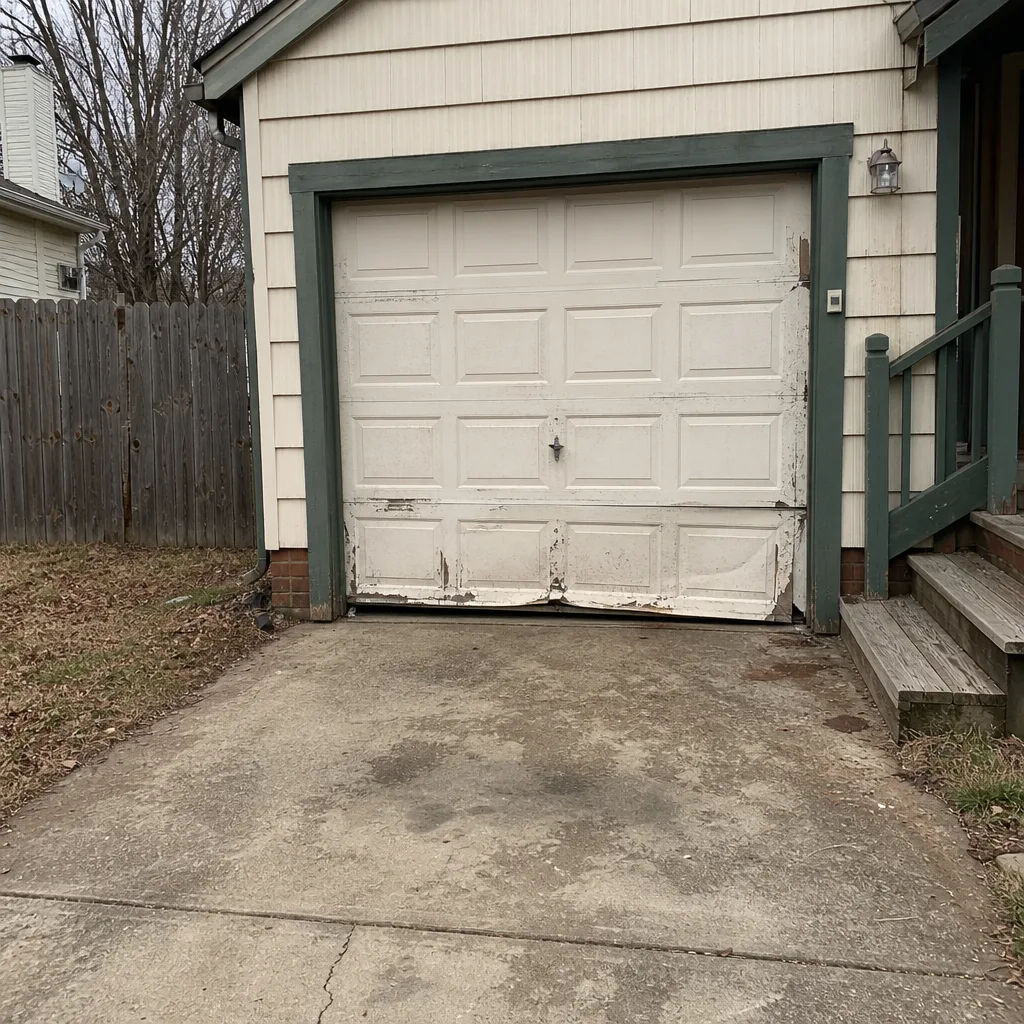 Before
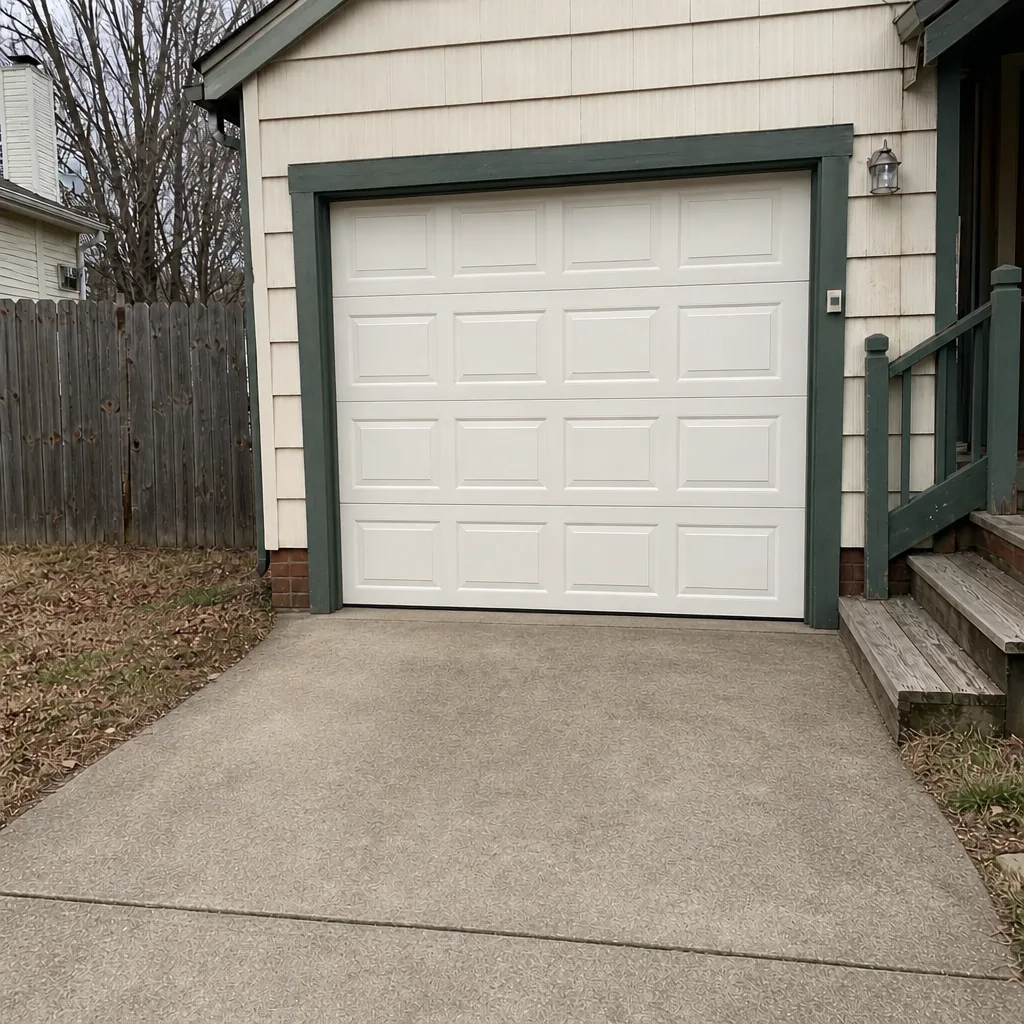 After
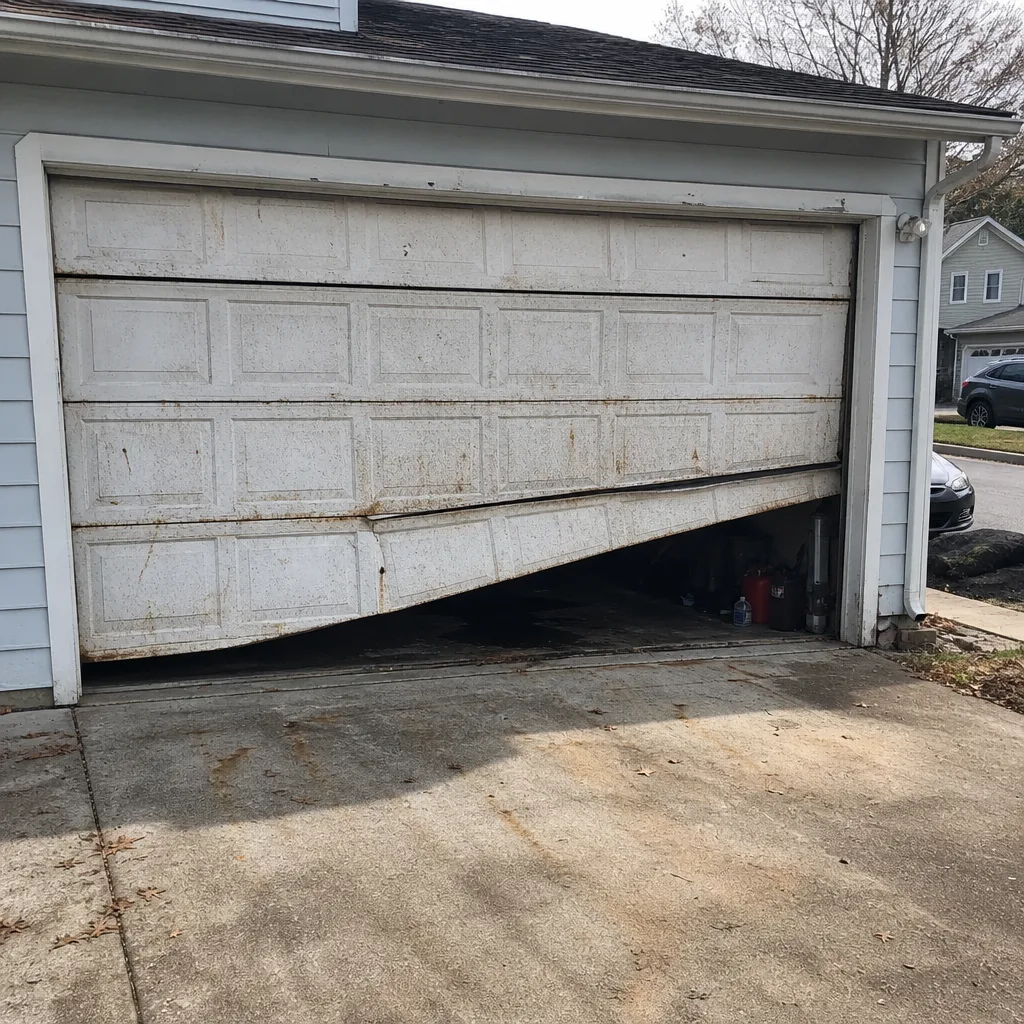 Before
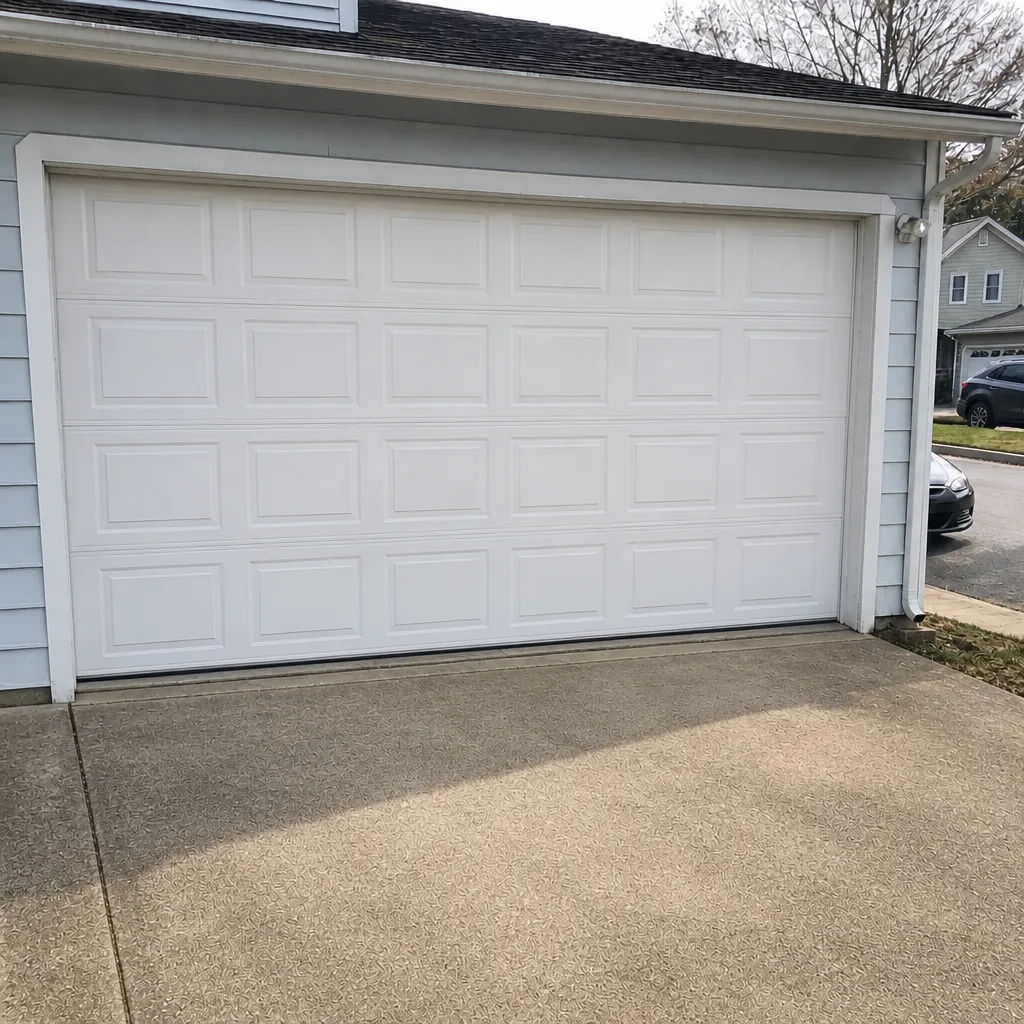 After
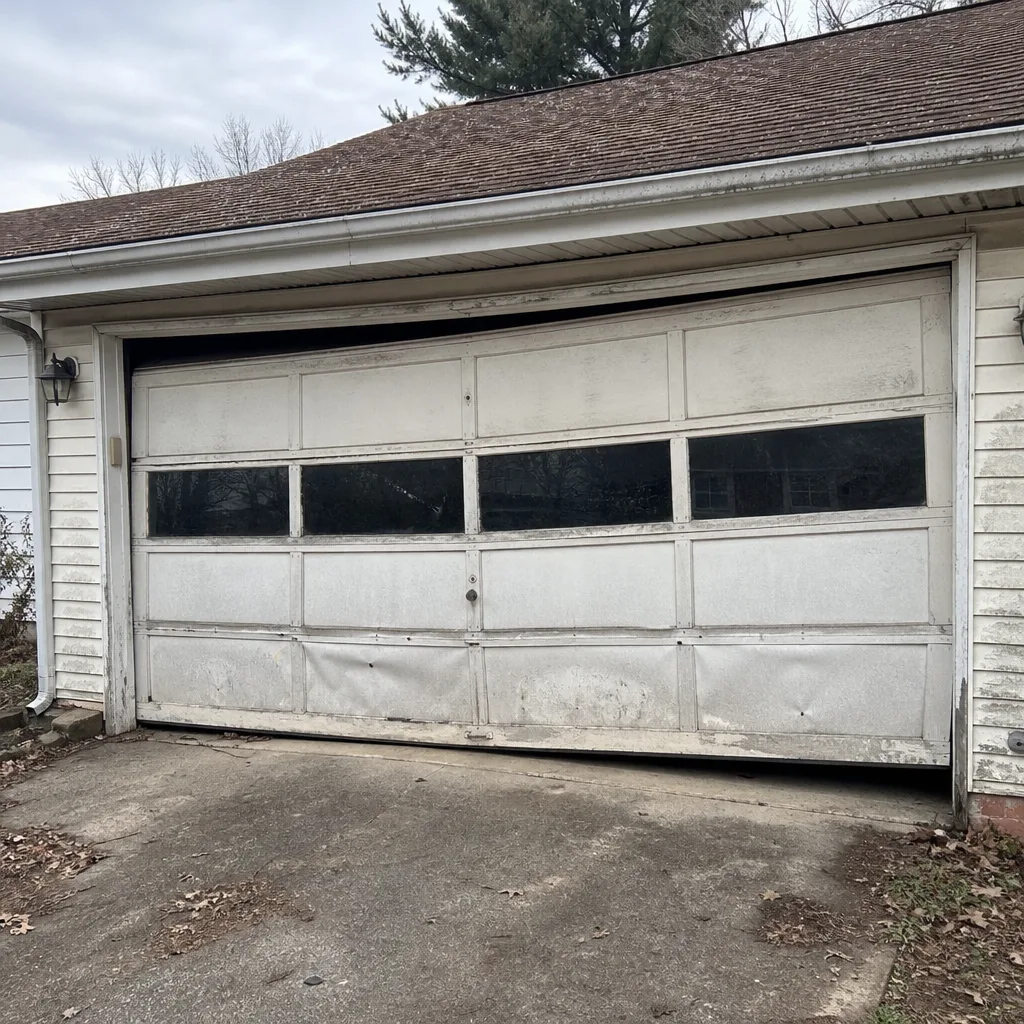 Before
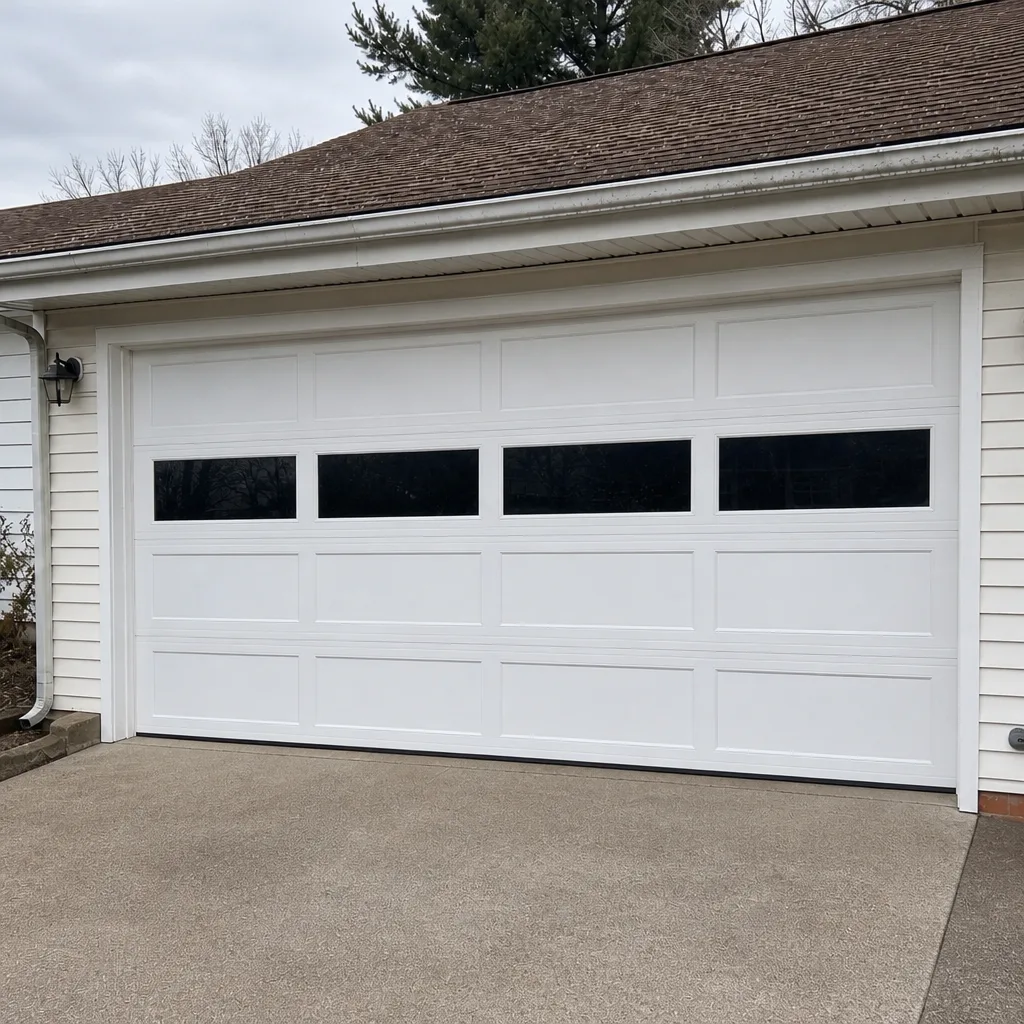 After
When to Call a Professional
Some door problems are safe to look at and slow to fix; others need a professional right away. Call a specialist when a spring breaks or you find a gap in the torsion spring, when the door comes off its track or hangs crooked, when the opener won’t reverse or the safety sensor won’t clear, when the door is loud or jerky enough that neighbors notice, or when the remote works only sometimes. On any of those, don’t try to force the door open or wind a spring yourself – do the check, then hand it to someone trained for it. Garage Door Repair Dale City offers free estimates in Dale City, and for urgent situations, emergency service is available. Call (844) 820-1801 and a specialist will help you sort out what’s going on.
Frequently Asked Questions
A spring repair typically falls in a set range depending on whether it’s one spring or a matched pair, which is usually replaced together. The written estimate you receive from the technician on site will break out the parts and labor, and that estimate is the price. Call (844) 820-1801 for an exact quote – estimates are free.
For a simple cosmetic fix, sometimes, but for any repair involving springs, cables, tracks or openers, use a garage door specialist. Springs store serious energy and a wrong-sized spring can throw the door out of balance or void a manufacturer warranty. The technical knowledge gap is real and the risk is genuine, so it’s worth the call to a specialist.
A good quote names the parts and sizes, separates labor from materials, includes disposal, and lists any exclusions – all with a firm final price. If a line reads “replace spring and adjust,” that’s too vague. Insist on specifics so nothing becomes a dispute when the work is done.
Yes. Our technicians are factory-trained across eight major brands, including Chamberlain, LiftMaster, Genie and Clopay. That means we arrive knowing your system’s generation and its common failure points, rather than guessing at the right part. When your opener fails, a call for garage door opener repair connects you with someone fluent in your brand.
Yes, emergency garage door service is available for situations that can’t wait for normal business hours, like a door stuck open or a broken spring that’s left the door unusable. We don’t promise a specific response time, but you’ll reach a specialist who can assess the situation and get a plan in place. Call (844) 820-1801 to arrange it.
The technicians we connect you with are licensed and insured as Virginia requires, which is the baseline the state sets for contractors. Beyond licensing, our technicians have up to 13 years of garage-door experience, and that’s the part that actually determines the quality of the work. Call (844) 820-1801 with any questions – estimates are free.
The Bottom Line
The best garage door contractor in Dale City isn’t the cheapest one – it’s the one who can answer a brand-specific question without hesitating, puts the parts and labor in writing, and inspects the door before quoting a firm price. Use the license check as your first filter and the five questions as your second. Watch for out-of-area companies with local numbers and vague line items on the quote. When you find a specialist, the work gets done right the first time, and you’ll know why your next door problem is a phone call instead of a gamble. If you’d like a free estimate from our team, call (844) 820-1801 – or start with Garage Door Repair Dale City to see the full range of what we handle.
Written by the team at Garage Door Repair Dale City.