Last updated November 22, 2026
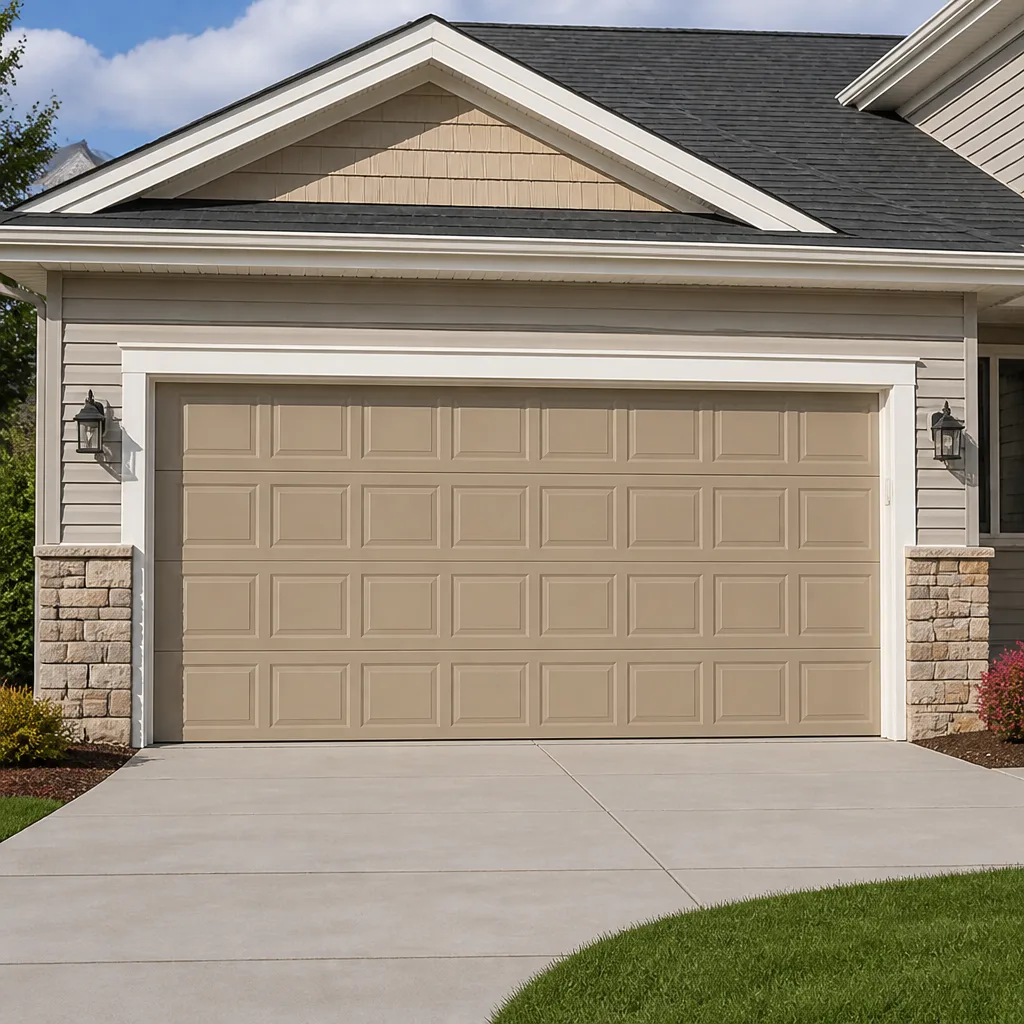 Raised-panel steel
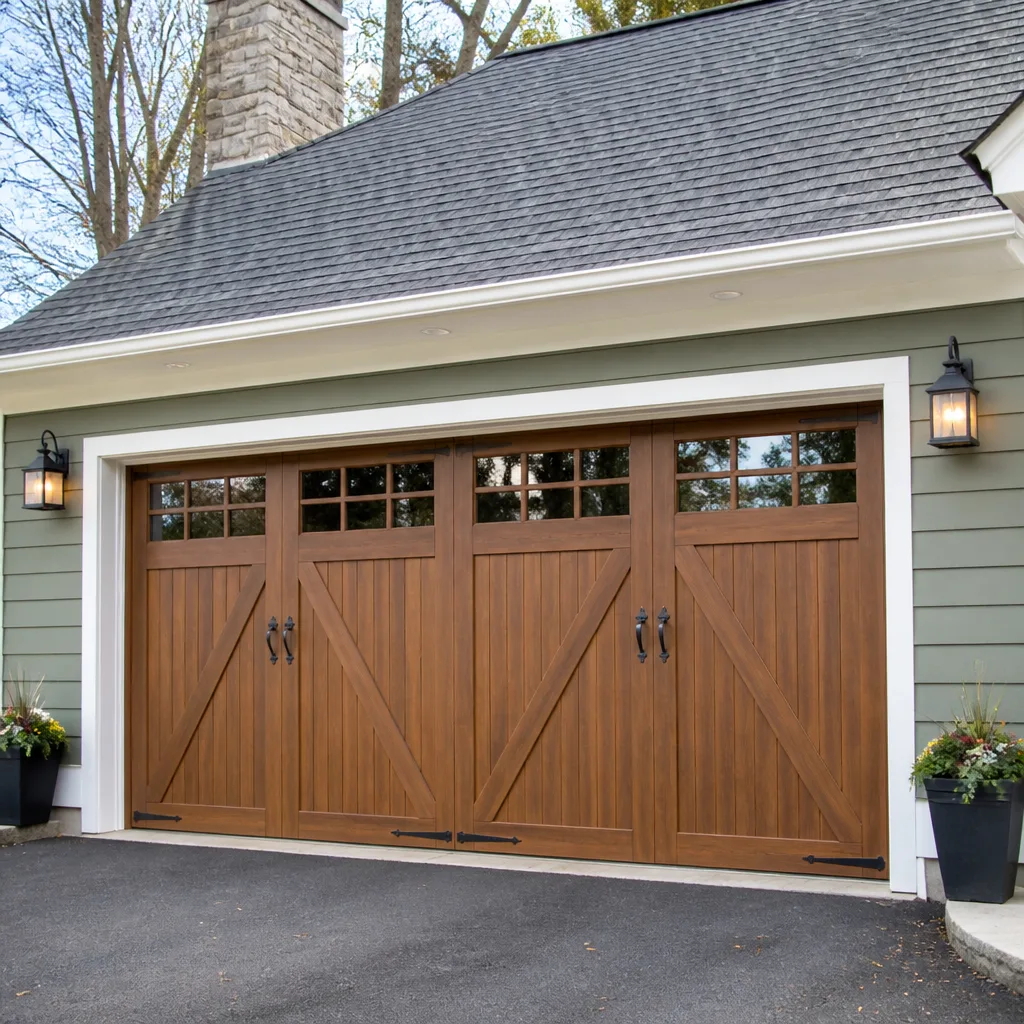 Carriage house
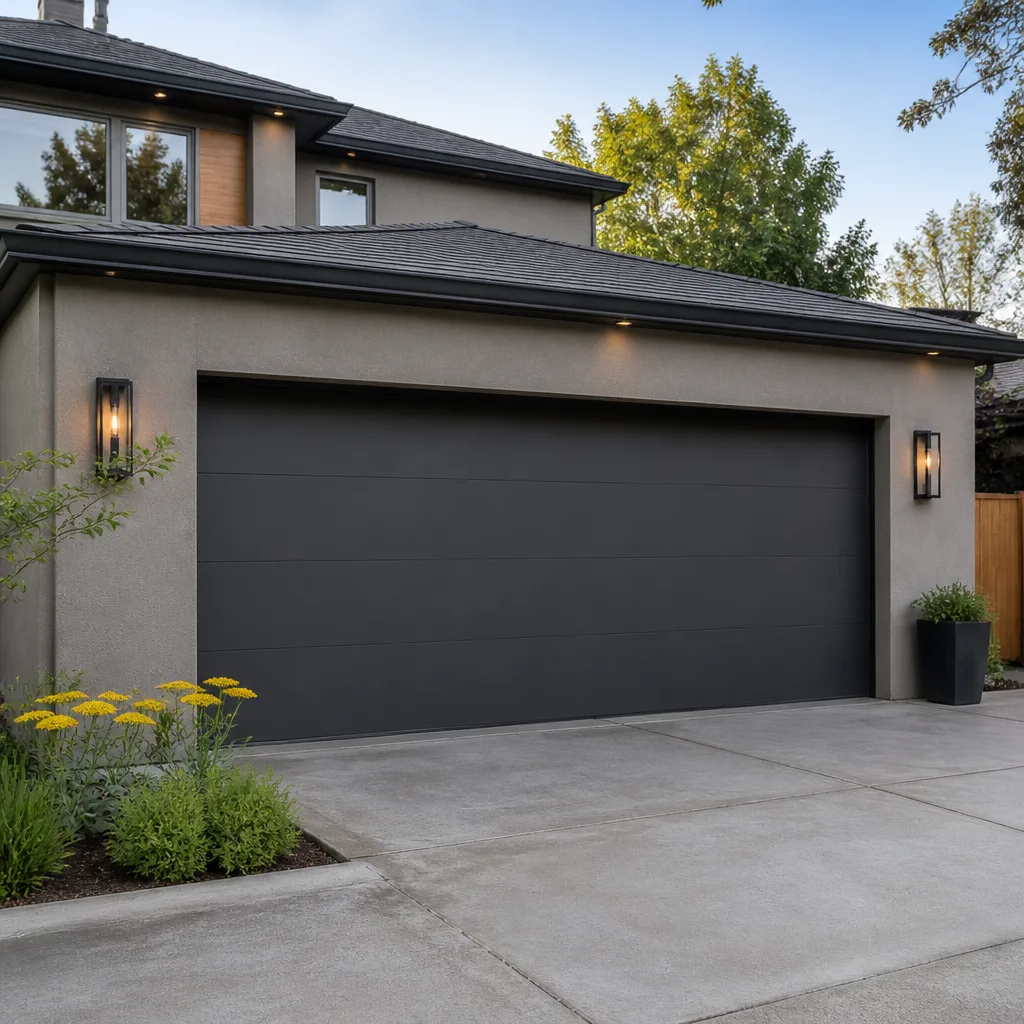 Modern flush
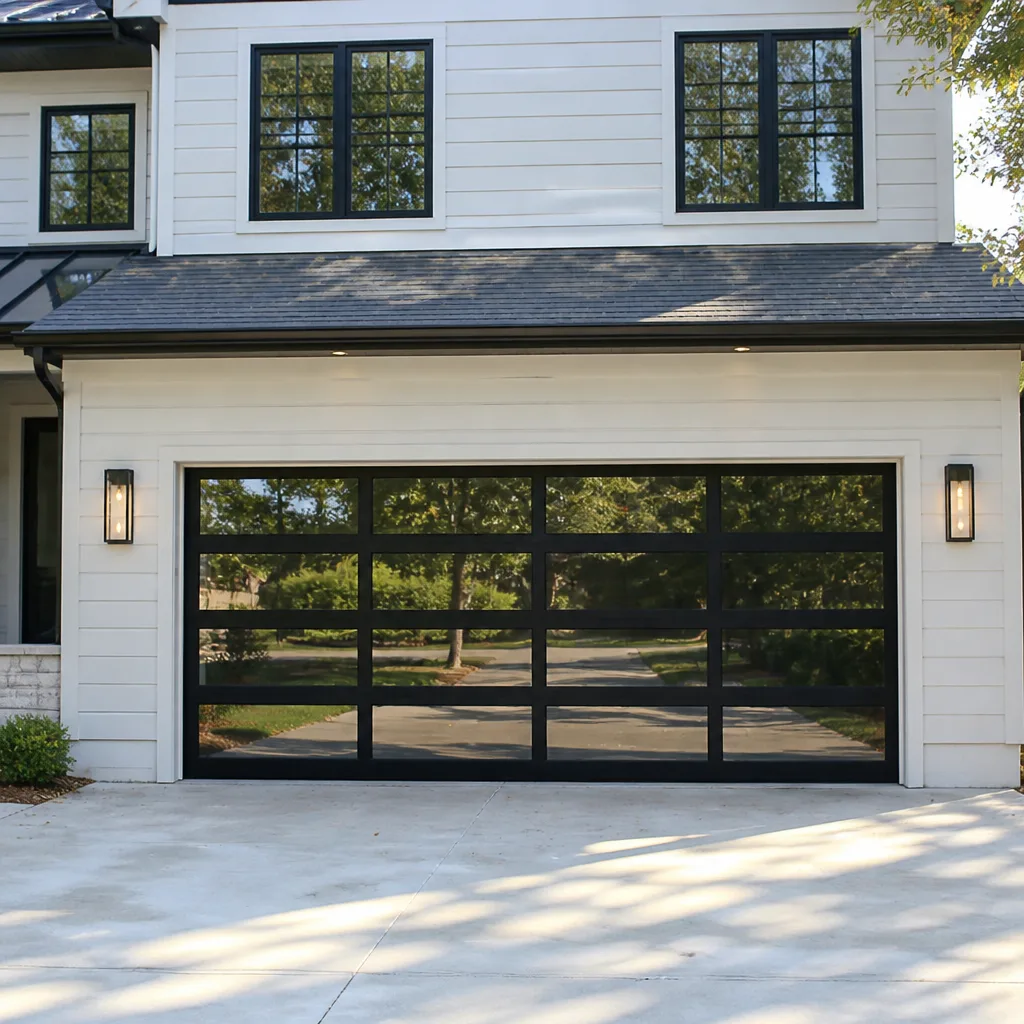 Full-view glass
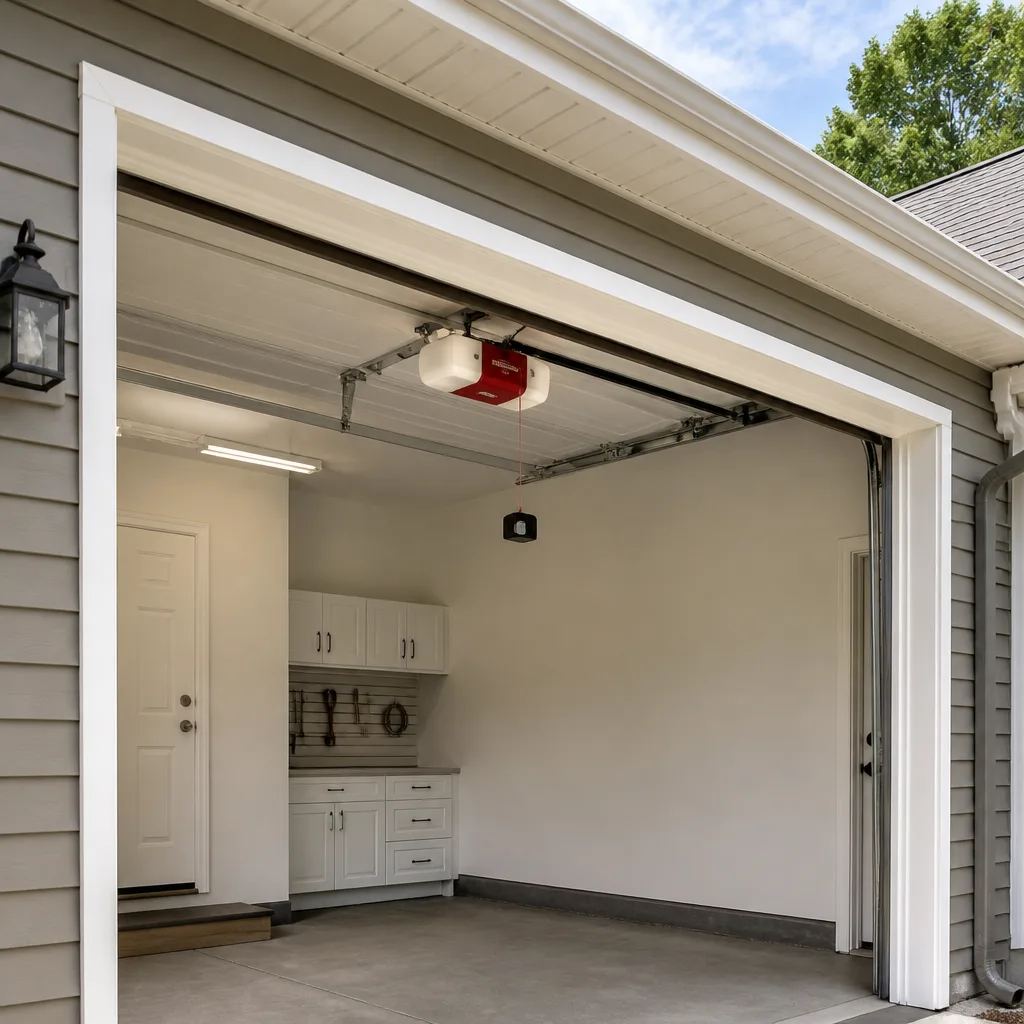 LiftMaster openers
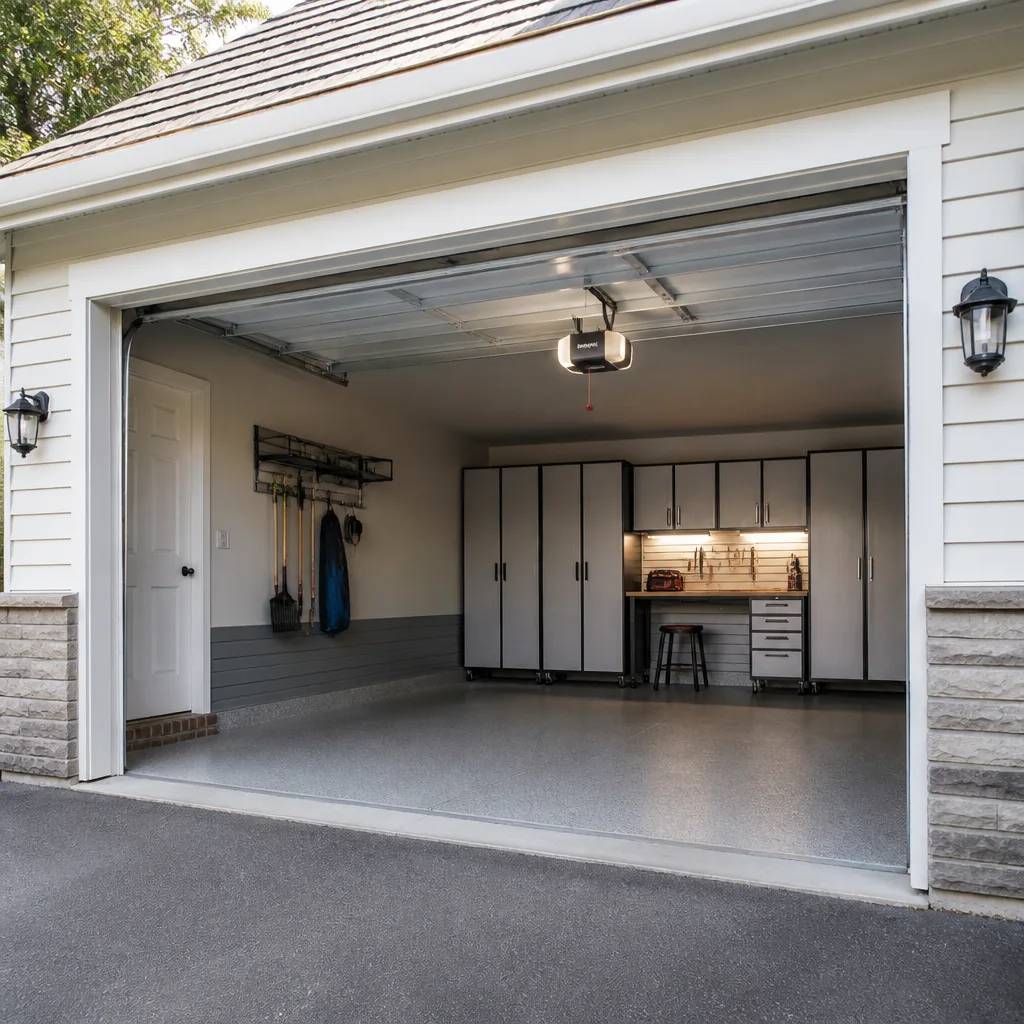 Chamberlain openers
Full 25-point door and opener safety check with every visit - springs, cables, rollers, tracks, and your LiftMaster or Chamberlain opener included
You get a price before we start. It does not change when the pro arrives.
Get your free estimateGarage Door Warning Signs: A Dale City Homeowner’s Reference Guide
A door that suddenly slams down or jumps off its track is the easy case. You call, we come out, it gets fixed. The harder case is the door that takes slightly longer to open than it did last spring, or makes a small sound you can’t quite place, or stops an inch lower than it used to before it reverses. Those are the signals most Dale City homeowners explain away for months. By the time the door actually fails, the repair is usually bigger, and sometimes it has already been unsafe for a while. This guide walks through what each warning sign actually means, how to sort cosmetic problems from structural ones, and how to tell whether you’re looking at a quick fix, a scheduled visit, or a door you should stop using right now.
Quick Answer
Garage door warning signs fall into three groups: structural (frayed cables, stretched or broken springs, bent tracks, loose hinges), mechanical and electrical (grinding, popping, slow response, partial opening, reversal with nothing in the way), and cosmetic (paint peeling, surface rust, a dented panel). Cosmetic signs can usually wait. Structural and mechanical signs cannot – a door that is straining, unbalanced or making new noises should be inspected before it’s used again, because a failing spring or cable can drop the door with someone underneath it.
Styles & brands we work with
- Raised-panel steel
- Carriage house
- Modern flush
- Full-view glass
- LiftMaster openers
- Chamberlain openers
Table of Contents
- Cosmetic vs. Structural Warning Signs: The Difference That Matters
- Sound-Based Diagnostics: What Grinding, Popping, Rattling and Squealing Actually Mean
- Silent Warning Signs: Uneven Travel, Slow Response and Partial Opening
- The Five-Minute Ground-Level Inspection for Dale City Homeowners
- Spring and Cable Warning Signs: The Ones You Should Never Test Yourself
- Opener Warning Signs: When the Door Is Fine and the Motor Isn’t
- DIY Fix, Scheduled Call, or Stop Using the Door Now?
- How Dale City Weather Affects Garage Door Wear
Cosmetic vs. Structural Warning Signs: The Difference That Matters
The single most common mistake we see is homeowners treating a cosmetic problem and a structural problem as the same thing. They’re not even in the same category, and mixing them up goes both directions: people panic over paint and ignore a fraying cable.
Cosmetic signs affect how the door looks and, in time, how well it resists moisture. They include:
- Paint peeling or flaking on a steel or wood door
- Surface rust on the bottom panel or the panel edges
- Faded color or chalky finish on a door facing direct sun
- Small dents and dings from a bumped bumper or a stray ball
- Weatherstripping that’s cracked, flattened or pulling away from the frame
None of these will drop a door on you. They’re worth fixing – weatherstripping especially, since it keeps rain and cold air out of the garage – but they can wait for a scheduled visit.
Structural signs involve the parts that carry the door’s weight and keep it on its path. Those parts are the springs, the cables, the tracks, the rollers, the hinges and the panels themselves. When one of them is failing, the door is no longer balanced, and an unbalanced door puts enormous strain on everything else. A cable with broken strands, a spring that has stretched longer than its partner, a track that’s been pushed out of line by a bumper – these are the signs that justify stopping use of the door until someone qualified has looked at it.
Here’s the practical rule: if the sign changes how the door moves, treat it as structural. If it only changes how the door looks, it’s cosmetic. A door that still looks fine but moves differently is the more urgent situation of the two, and it’s the one that gets ignored most often in Dale City.
Sound-Based Diagnostics: What Grinding, Popping, Rattling and Squealing Actually Mean
Your ears are a better diagnostic tool than most people realize. Each sound tends to point at a specific component, and the difference between them tells you how quickly you need to act.
Grinding
A low, rough grinding sound usually comes from metal-on-metal contact. The most common sources are dry or worn rollers, a torsion tube that’s lost lubrication, or an opener gear and rail that are no longer meshing cleanly. Grinding that starts suddenly after years of quiet operation is worth a call, because it often means a bearing or a gear is failing rather than simply dry. On a LiftMaster or Chamberlain opener, a grinding noise from the motor housing itself can point at the drive gear, and that’s an opener repair rather than a door repair.
Popping
A sharp pop – especially one that repeats at the same point in the door’s travel – is typically a torsion spring winding or unwinding unevenly, or a cable jumping in its drum. Popping is one of the sounds that deserves a same-day call. It can mean a spring is about to let go, and a torsion spring under load is not something to stand near while you figure it out.
Rattling
Rattling is usually loose hardware: hinge bolts that have worked loose, roller stems that no longer sit tight in their brackets, or a track that’s come slightly away from the jamb. It’s often the least urgent of the four sounds, but it’s also the easiest to fix before it becomes a track problem. A rattle that appears only at the top or bottom of travel is worth noting, because it can indicate the door is hitting a limit it shouldn’t be hitting.
Squealing
High-pitched squealing almost always means friction without lubrication – rollers, hinges or the torsion tube. It’s the most benign of the four sounds and often the easiest to resolve. But squealing that comes with a slow or labored door isn’t just a lubrication issue; it means the door is working harder than it should, which brings us back to balance.
If you can describe the sound, when it happens (opening, closing, or both), and roughly where on the door it comes from, you’ve given a technician a real head start. That’s the kind of detail that turns a diagnostic visit into a repair visit.
Silent Warning Signs: Uneven Travel, Slow Response and Partial Opening
Plenty of failing doors don’t make a sound at all. They just behave differently, and because the change is gradual, it’s easy to adjust to it without noticing.
- Uneven travel. Watch the gap between the bottom of the door and the floor as it closes. If one side touches down before the other, the door is out of balance or a cable has stretched. A door that closes crooked is straining every time it moves.
- Slow response. If the door takes noticeably longer to start moving after you press the remote, the problem is usually in the opener or the remote’s battery – not the door. When the door itself moves more slowly through its travel, that’s often a sign of spring fatigue or binding rollers.
- Partial opening. A door that opens a foot or two and stops is usually tripping a safety sensor or a travel limit. On a Genie or Craftsman unit, this can also point at a logic board or limit switch issue. Either way, it’s an opener diagnosis, not a door diagnosis.
- Reversal with nothing in the way. The door starts down, then goes back up on its own. That’s a safety system doing its job – but if the path is clear, the sensors are misaligned, dirty, or the opener’s force setting has drifted. Don’t override it; diagnose it.
- A door that feels heavy by hand. With the opener disconnected, a properly balanced door should lift with modest effort and stay put when you let go halfway up. If it drops or feels like dead weight, the springs are no longer carrying their share, and the opener is doing work it was never designed to do.
These behavioral signs rarely announce themselves all at once. They build. A door that’s slightly slow in March is often a door that won’t open by October, and the repair in October costs more than the one in March would have.
The Five-Minute Ground-Level Inspection for Dale City Homeowners
You don’t need tools or a ladder to catch most of the serious warning signs. Here’s a numbered walkaround you can do from the floor in about five minutes. Do it in this order, and do it with the door closed and the opener disconnected from the door.
- Look at the springs above the door. From the ground, check whether the two springs (if you have two) look the same length. A spring that has visibly stretched longer than its partner is losing tension. Never reach up and touch a torsion spring to test it.
- Follow the cables down each side. You’re looking for fraying, kinks, or strands that have broken loose from the braid. A cable with broken strands is a stop-using-the-door sign.
- Check the tracks for bends and gaps. Run your eye down each vertical track. The gap between the track and the door should be even from top to bottom. A track that’s been pushed out is usually visible from the floor.
- Look at the rollers and hinges. Rollers should sit fully in their tracks, not tipped or worn flat on one side. Hinges should be tight against the panel, not pulling away.
- Inspect the bottom seal and the panel edges. Cracked weatherstripping and rust creeping along the bottom panel are cosmetic, but they tell you moisture is getting in, and that’s worth scheduling.
- Test the balance by hand. With the opener disconnected, lift the door to about waist height and let go. It should hold. If it drops, the springs are the reason.
If anything in that list looks wrong, especially steps 1, 2 or 6, stop there and call. The rest of the inspection can wait until a technician has seen it. Our technicians have up to 13 years of experience and can tell you within minutes whether what you’re seeing is a real problem or normal wear.
Spring and Cable Warning Signs: The Ones You Should Never Test Yourself
Springs and cables are the two parts of a garage door that can injure or kill someone when they fail. That’s not a scare tactic; it’s the reason spring repair is a specialized trade and not a general handyman job. A torsion spring is under hundreds of pounds of tension even when the door is closed, and a cable carries that load down each side of the door.
The warning signs worth knowing:
- A visible gap in a torsion spring. If the coil has separated, the spring has broken. The door may still lift a little on the opener before it gives up.
- A door that won’t stay up on its own. This is the clearest sign the springs are no longer doing their job.
- A loud bang from the garage. A torsion spring breaking sounds like a gunshot. If you hear it, don’t try the door – call.
- Frayed or kinked cables. Broken strands on a cable mean the cable is close to snapping. Stop using the door.
- A door that hangs crooked or off its track. This often means one cable has failed and the other is carrying the whole load.
What we won’t do here is walk you through replacing a spring or re-winding a cable yourself. The winding bars, the tension, and the sequence all matter, and getting it wrong is how people get hurt. This is exactly the repair that garage door spring repair exists for, and it’s worth calling a specialist rather than improvising. If your door has any of the signs above, call (844) 820-1801 and describe what you’re seeing. Estimates are free and the price is agreed before any work starts.
Opener Warning Signs: When the Door Is Fine and the Motor Isn’t
Not every warning sign belongs to the door. Some of the most common complaints we get in Dale City are opener problems wearing a door-problem disguise. Knowing which is which saves you a diagnostic visit and points you at the right repair.
Signs the opener is the issue:
- The remote works only from close range, or works intermittently
- The wall button works but the remote doesn’t (or the reverse)
- The door opens and closes fine by hand but the opener struggles
- The opener runs but the door doesn’t move
- The lights on the opener flash in a pattern, or the unit beeps and refuses to close
- The safety sensors’ indicator lights are off or flickering
Signs the door is the issue, even if the opener seems to be at fault:
- The opener strains and stops partway through travel
- The door lifts by hand but the opener can’t manage it
- The door runs at an angle or binds on one side
In the second list, the opener is being asked to lift a door its springs should be lifting. Fixing the opener won’t help; the door needs rebalancing. This is where brand knowledge pays off. A LiftMaster or Chamberlain unit reports faults differently than a Genie or a Craftsman, and a technician who arrives already knowing your system’s behavior gets to the answer faster. That’s what garage door opener repair looks like when it’s done by a specialist rather than a generalist.
DIY Fix, Scheduled Call, or Stop Using the Door Now?
Homeowners ask us this constantly, and the honest answer is that most signs land in the middle category. Here’s how we sort them.
Safe to handle yourself (or leave for a scheduled visit)
- Lubricating rollers and hinges with a proper garage door lubricant
- Replacing a remote battery
- Clearing cobwebs and debris from the safety sensor lenses
- Replacing cracked weatherstripping
- Touching up paint or treating surface rust
Schedule a service call soon
- Rattling or squealing that doesn’t go away after lubrication
- An opener that’s slow, intermittent, or misbehaving with the remote
- A door that reverses with nothing in the path
- A door that closes unevenly but still opens and closes
- A cosmetic issue that’s letting moisture in
Stop using the door now and call
- Any visible gap in a torsion spring, or a door that won’t stay up
- Frayed or snapped cables
- A door hanging crooked or off its track
- A loud bang followed by a door that won’t move
- An opener that runs but the door doesn’t, with the door still under tension
If you’re not sure which category your sign belongs to, err toward the higher one. A scheduled visit that turns out to be minor costs less than a repair that turns out to be major. When in doubt, call (844) 820-1801 and describe the sign. We can usually tell you over the phone whether it’s safe to use the door in the meantime.
How Dale City Weather Affects Garage Door Wear
Dale City sits in a part of Virginia that swings hard between seasons. Summers are hot and humid, winters bring freezing nights and the occasional deep freeze, and spring and fall bring plenty of rain. That cycle is hard on garage doors, and it shapes which warning signs show up when.
Humidity and rust. A Dale City summer puts a lot of moisture in the air. Steel panels, hinges, and the bottom seal of the door all see it. Surface rust on the bottom panel is the most common cosmetic sign we see in the area, and it’s the reason a door that faces the weather can look older than it is. Treating it early keeps it from spreading into the panel seams.
Freeze-thaw cycles. A door that sits against a cold floor all winter puts stress on the bottom seal and can bind slightly on the tracks when ice forms in the gap. A door that suddenly feels stiff in January is often dealing with cold rather than a failing spring, but a door that feels heavy by hand in January should still be checked.
Summer heat and spring fatigue. Heat expands metal and softens lubricants, and springs that have been working all winter tend to show their fatigue in the warmer months. If your door gets noticeably slower as the summer goes on, that’s the season talking as much as the spring.
Storm season. Wind-driven rain works its way into the gaps around the door and the bottom seal. After a big storm, it’s worth a quick look at the seal and the panel edges. Hail is uncommon here, so if you do see impact damage on a panel, take a photo and mention it when you call.
None of this is unique to one street or one neighborhood. It’s the general pattern of the area, and it’s why we recommend a ground-level inspection twice a year – once in spring after the freeze-thaw season, once in fall before the cold sets in.
Common Mistakes to Avoid
- Treating a cosmetic sign as urgent and a structural sign as cosmetic. Peeling paint gets a call; a frayed cable gets ignored. Flip that instinct and you’ll catch the real problems early.
- Lubricating a failing spring. Oil on a spring that’s already lost tension doesn’t fix it and can hide the problem. Lubrication is for rollers and hinges, not for parts that are structurally failing.
- Adjusting the opener’s force setting to compensate for a heavy door. Turning up the force makes the opener work harder against a door its springs should be lifting. It masks the problem and wears out the opener.
- Disconnecting the safety sensors to get the door to close. That’s the one safety feature standing between the door and anything in its path. If the door reverses with nothing there, diagnose the sensors; don’t disable them.
- Waiting for a noise to become a failure. A pop that repeats at the same point in travel is a warning, not a quirk. Waiting for the door to stop moving entirely usually means a bigger repair.
- Assuming a new opener will fix a heavy door. If the door itself is out of balance, a new opener inherits the same problem. Repair the door first, then look at the opener.
- Skipping the twice-yearly inspection because the door “still works.” Working isn’t the same as safe. A door can open and close for months while a cable is down to a few strands.
See the difference
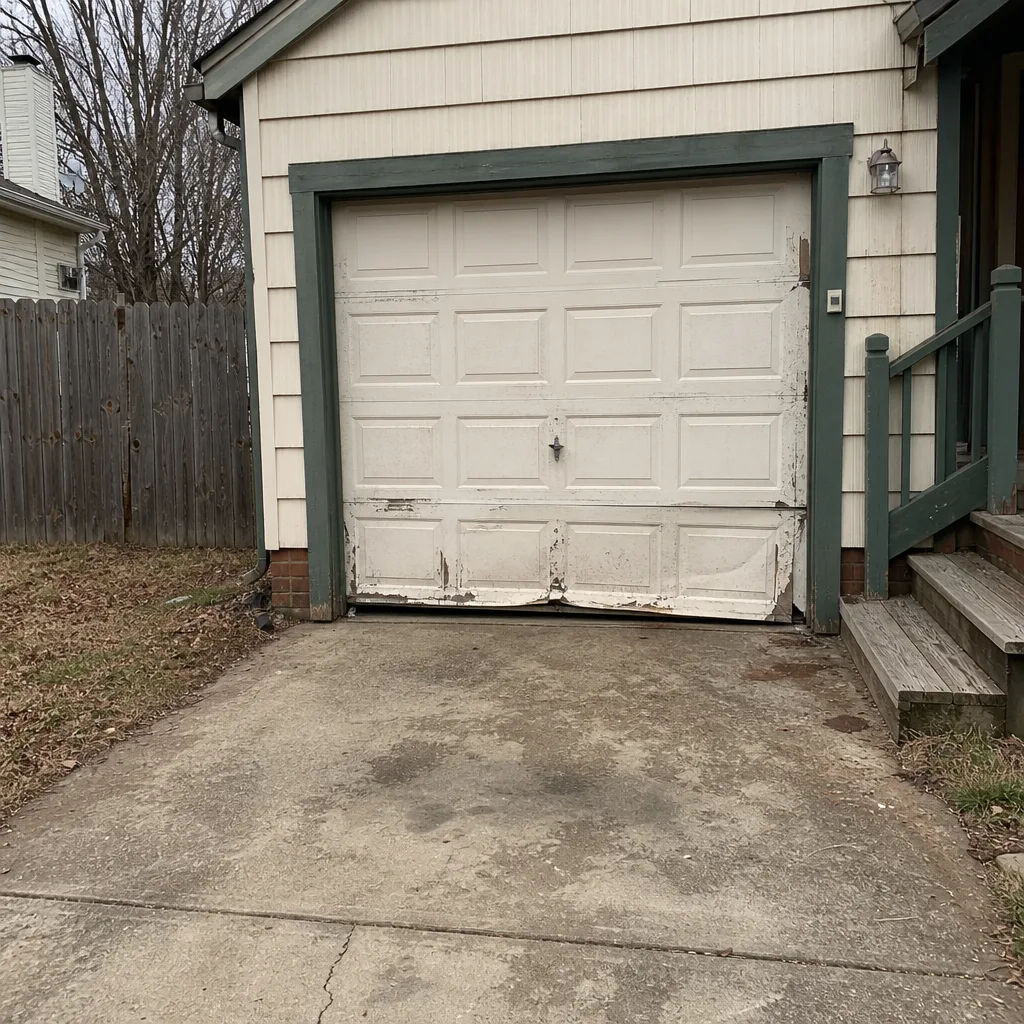 Before
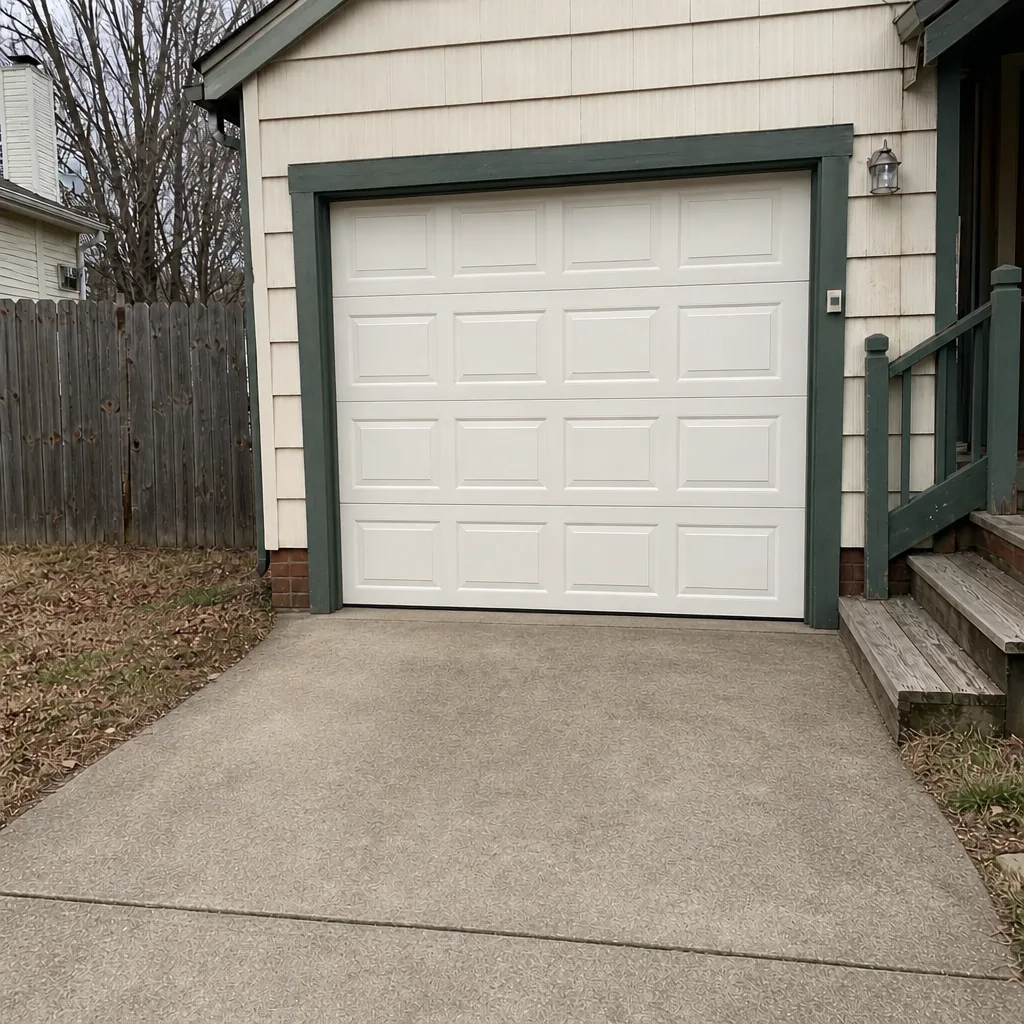 After
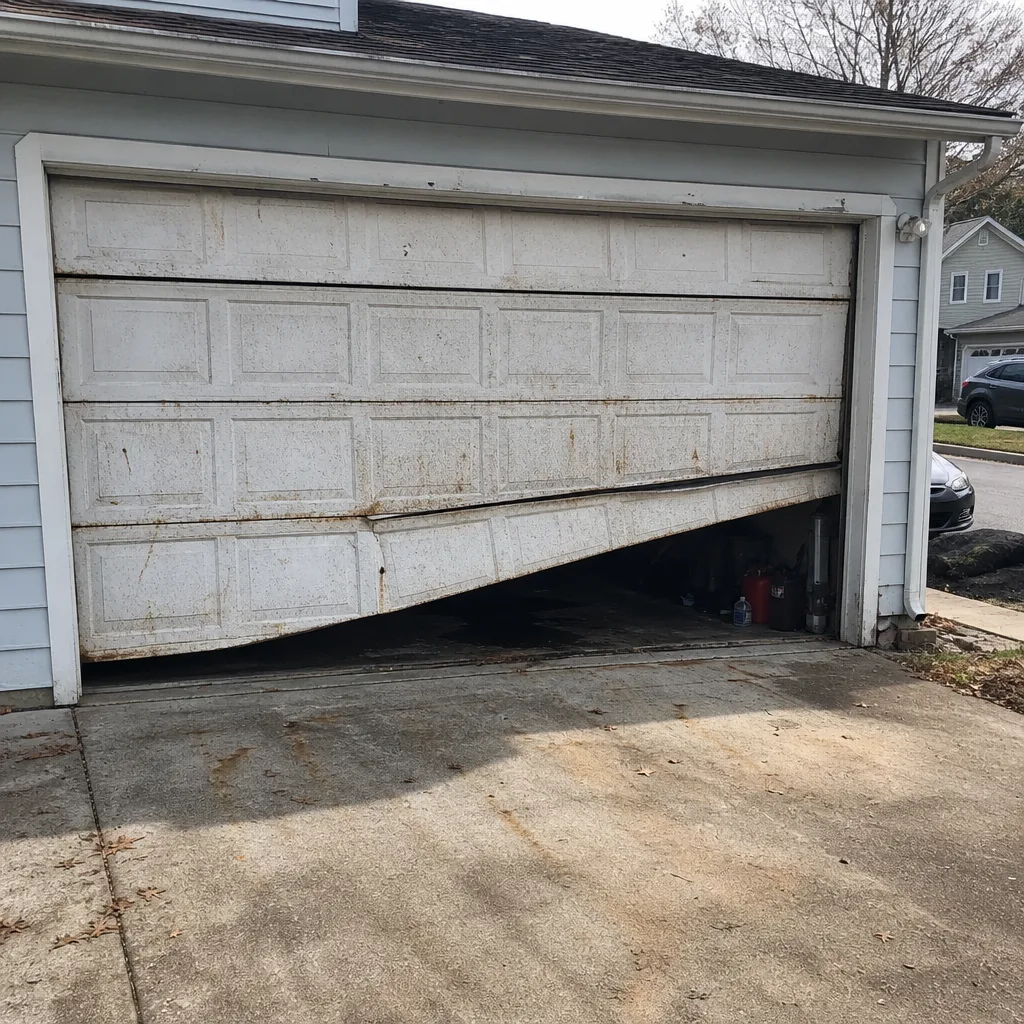 Before
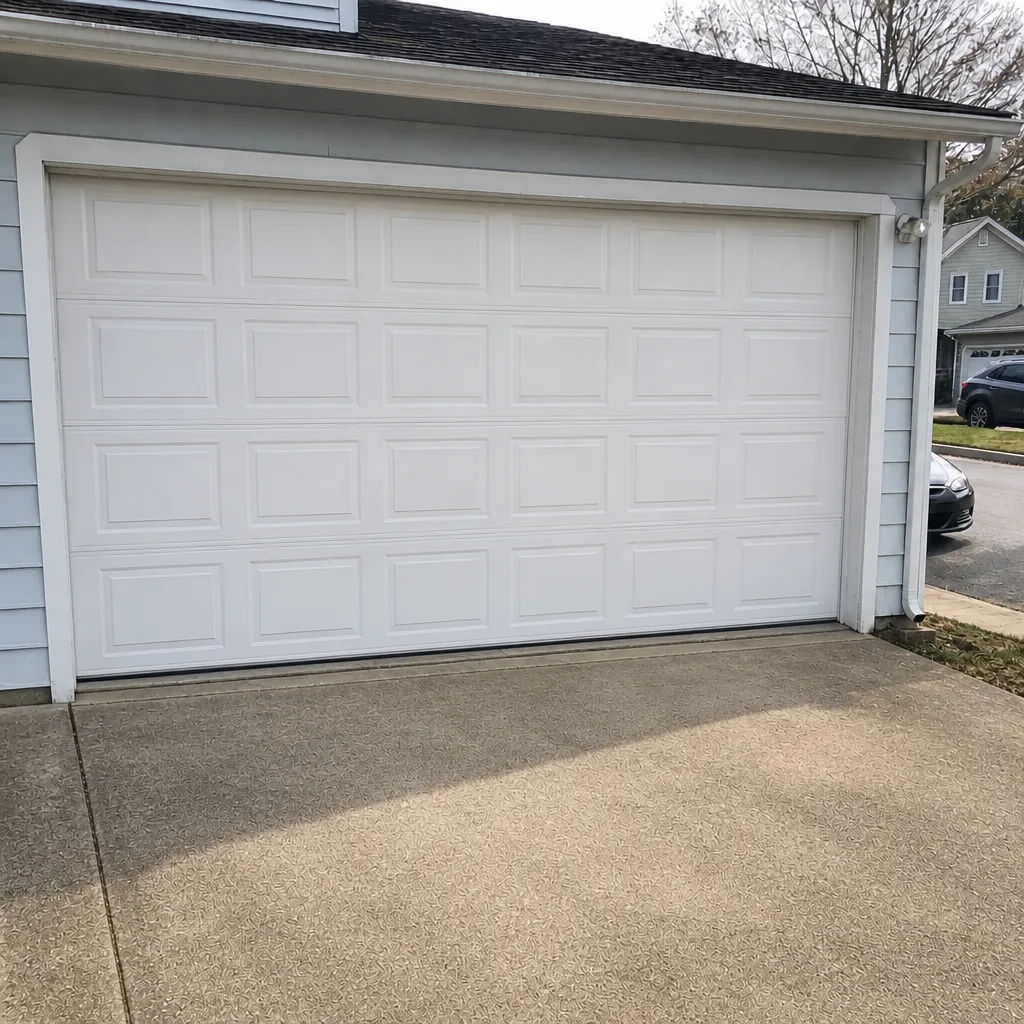 After
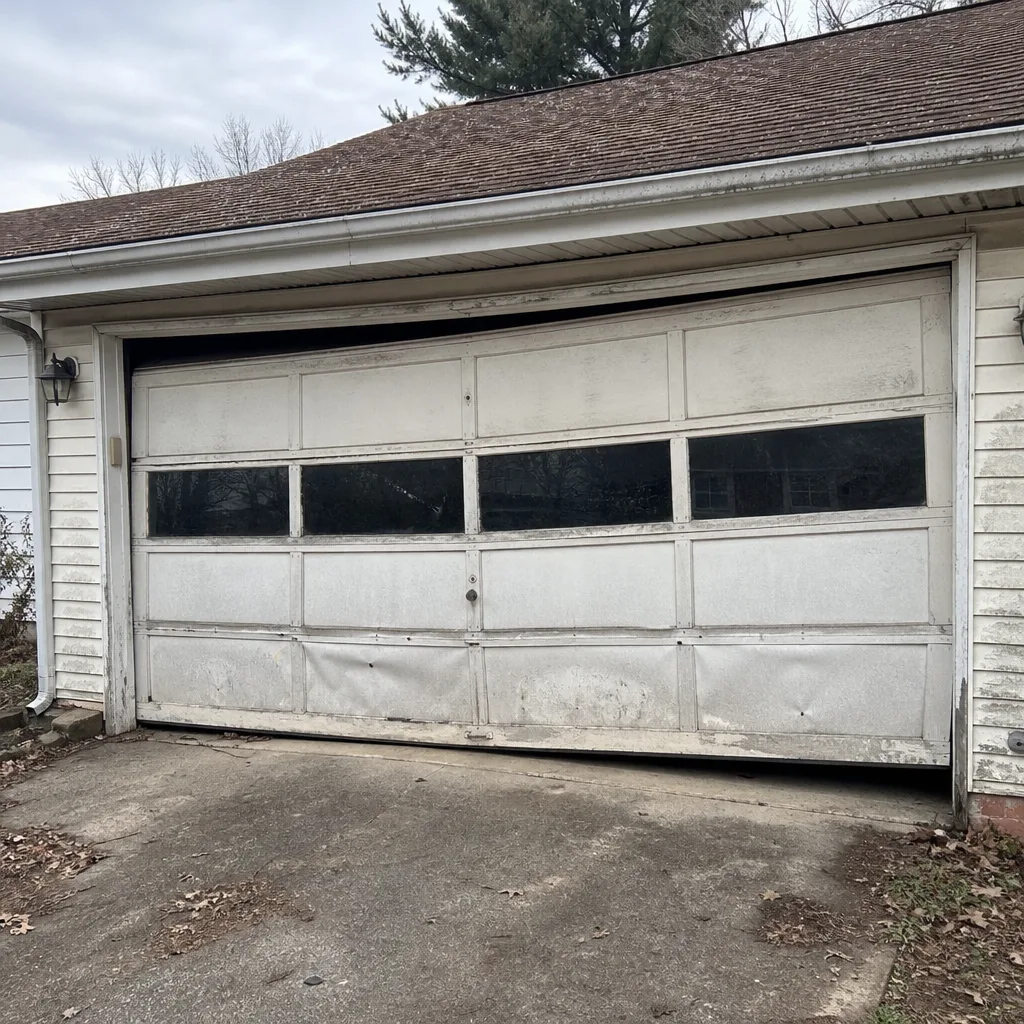 Before
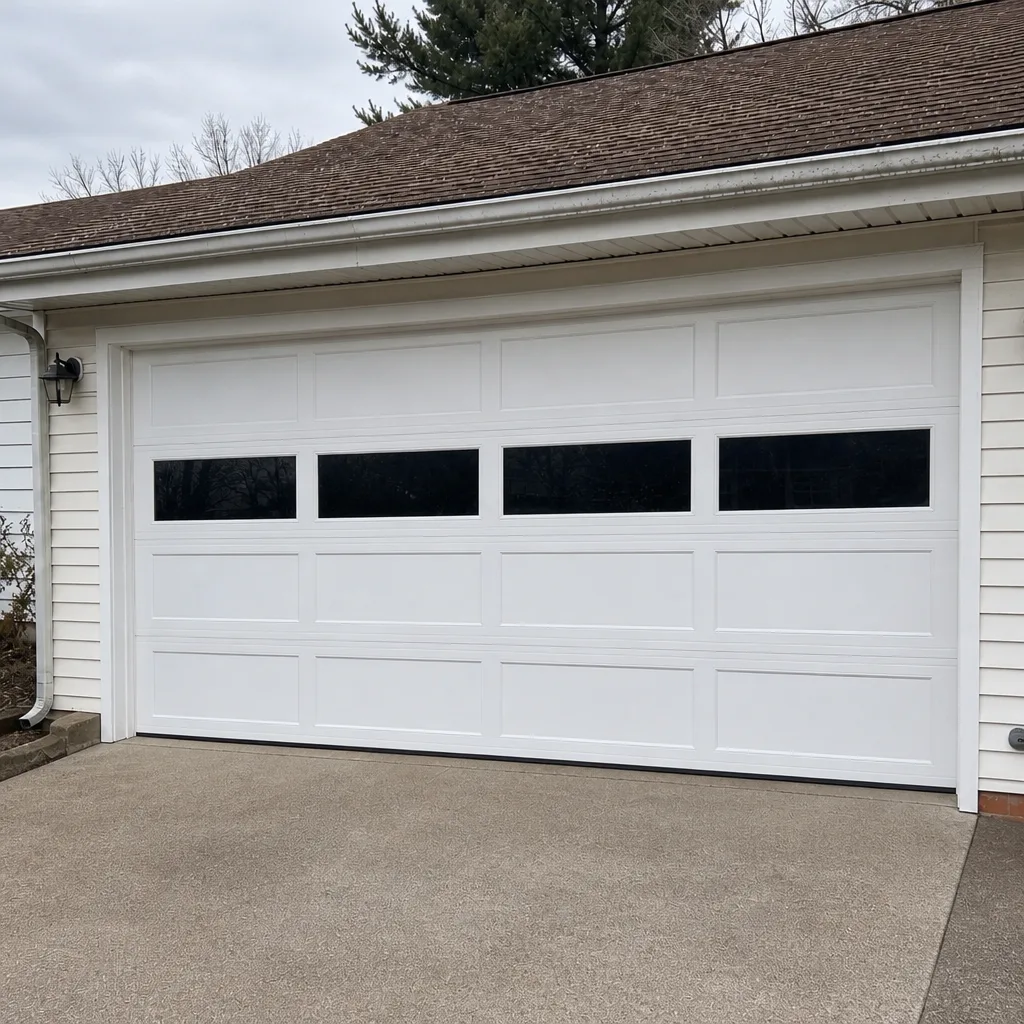 After
When to Call a Professional
Call a professional if your door has any of the stop-using signs above, if a sound has appeared that wasn’t there a few months ago, if the door moves unevenly or feels heavy by hand, or if you’re simply not sure what you’re looking at. Those are all good reasons to have someone qualified take a look. Our technicians have up to 13 years of experience across the major brands – LiftMaster, Chamberlain, Genie, Clopay, Amarr, Wayne Dalton, Craftsman and Raynor – so we arrive knowing your system rather than guessing at it. We handle the full range of garage door repair, from a single worn roller to a full new-door installation, and we do only garage doors. Nothing else. Garage Door Repair Dale City offers free estimates in Dale City – call (844) 820-1801. The price is quoted and agreed before any work starts, so there are no surprises when the job is done.
For urgent situations – a door stuck open, a cable that’s snapped, a spring that’s broken – we offer emergency garage door service. A door that can’t close is a security issue as much as a repair issue, and we’d rather hear from you the same day than have you wait a week. For the full range of what we handle, see our main Garage Door Repair Dale City page.
Frequently Asked Questions
A change in how the door moves is usually the first sign – slower travel, uneven closing, or a door that no longer stays up when lifted by hand. Sounds tend to follow the movement change rather than lead it. If you notice the door moving differently than it did a few months ago, that’s the sign to act on. Call (844) 820-1801 for an exact quote on what an inspection or repair would cost – estimates are free.
No, and we’d strongly advise against trying. Torsion and extension springs are under high tension, and the winding process requires specific tools and a specific sequence. Getting it wrong is how people get seriously injured. Spring repair is a job for a trained technician with the right equipment. Call us at (844) 820-1801 and we’ll give you a free estimate before any work begins.
Yes, treat it as urgent. A pop that repeats at the same point in the door’s travel often means a torsion spring is winding unevenly or a cable is jumping in its drum. Both are signs the door is close to failing. Stop using it and call. Estimates are free, and the price is set before we start.
Twice a year is a good rhythm here: once in spring after the freeze-thaw season, and once in fall before the cold sets in. Each inspection can be the five-minute ground-level check in this guide. If you find anything on the stop-using list, call before the next use. Call (844) 820-1801 for an exact quote if you’d rather have a technician do the check.
Reversal with a clear path is almost always a safety sensor issue – dirty lenses, misaligned sensors, or a sensor that’s been knocked out of position. It can also be a sign the opener’s force setting has drifted. Don’t disable the sensors to get the door to close; diagnose the cause. Call (844) 820-1801 for an exact quote on a repair visit – estimates are free.
Most warning signs point to a repair, not a replacement. Springs, cables, rollers, hinges and openers are all serviceable parts, and fixing them usually restores the door’s function. Replacement makes more sense when panels are structurally damaged or the door is consistently out of balance after repair. Call (844) 820-1801 and we’ll give you a free estimate on both paths so you can decide.
Often, yes – a description of the sound, when it happens, and where it comes from narrows it down quickly. Grinding, popping, rattling and squealing each point at different components. A technician still needs to see the door to confirm, but a good description saves time. Call (844) 820-1801 and tell us what you’re hearing.
We work with the major brands homeowners already own – LiftMaster, Chamberlain, Genie, Clopay, Amarr, Wayne Dalton, Craftsman and Raynor. Our team is factory-trained across those systems and our work is garage-door-only, so the parts and tools on a repair visit are specific to the trade. Call (844) 820-1801 with your model and we’ll confirm what’s needed before we arrive.
What if my door fails outside normal business hours?
We offer emergency garage door service for situations that can’t wait until the next business day – a door stuck open, a cable that’s snapped, a spring that’s broken. Call (844) 820-1801 and we’ll do our best to help you get the door secured. A door that won’t close is a security concern as much as a repair one.
The Bottom Line
Most garage door failures don’t arrive out of nowhere. They announce themselves first in small ways: a slightly slower opening, a new sound, a door that closes a little crooked, a gap in a spring you didn’t notice before. The Dale City homeowners who avoid the big repair are the ones who take the small signs seriously and act on them early. Sort the cosmetic from the structural, read the sounds, do the five-minute ground-level check twice a year, and stop using the door the moment a spring, a cable or a track looks wrong. That’s the whole method. If you’d rather have someone qualified do the check for you, our technicians have up to 13 years of experience and we offer free estimates in Dale City. Call Garage Door Repair Dale City at (844) 820-1801. The price is quoted and agreed before any work starts, and the repair is built to work, not just to close the gap.
Written by the team at Garage Door Repair Dale City.