Last updated November 22, 2026
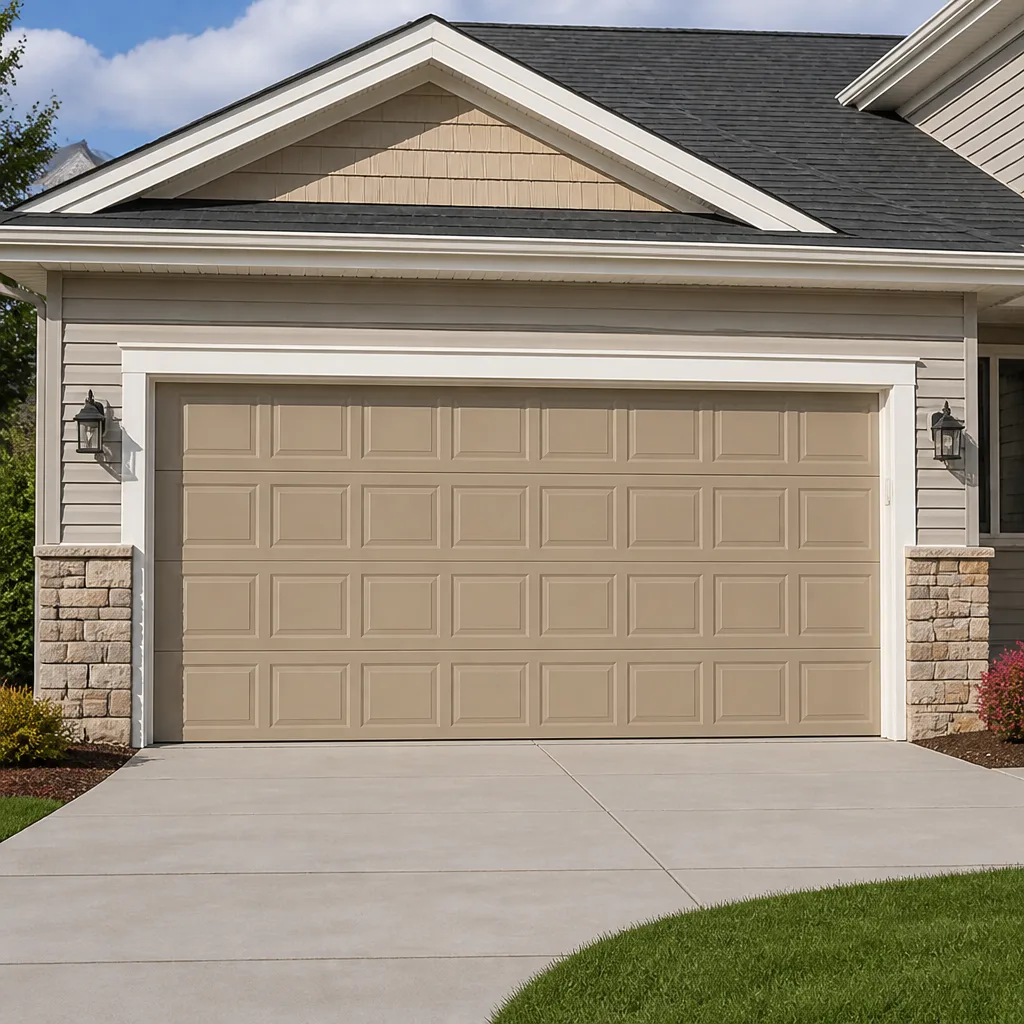 Raised-panel steel
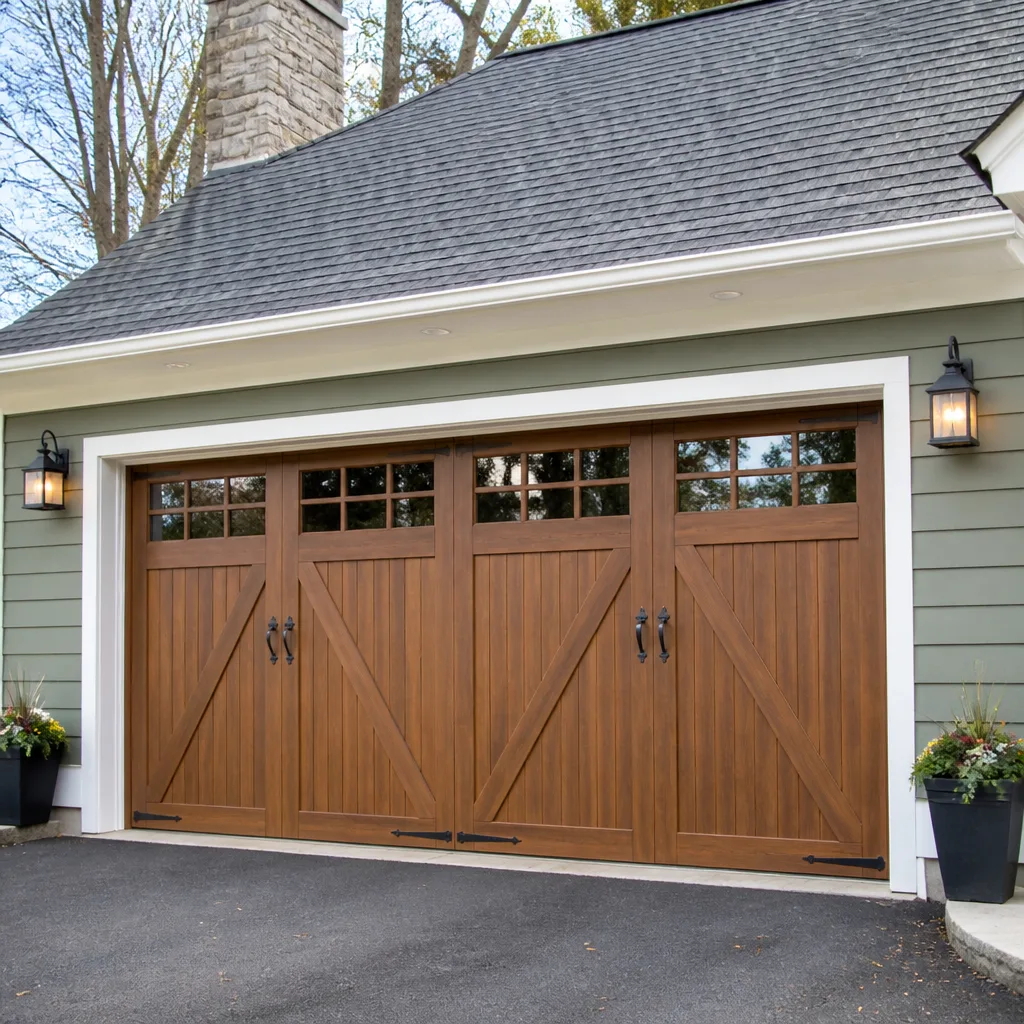 Carriage house
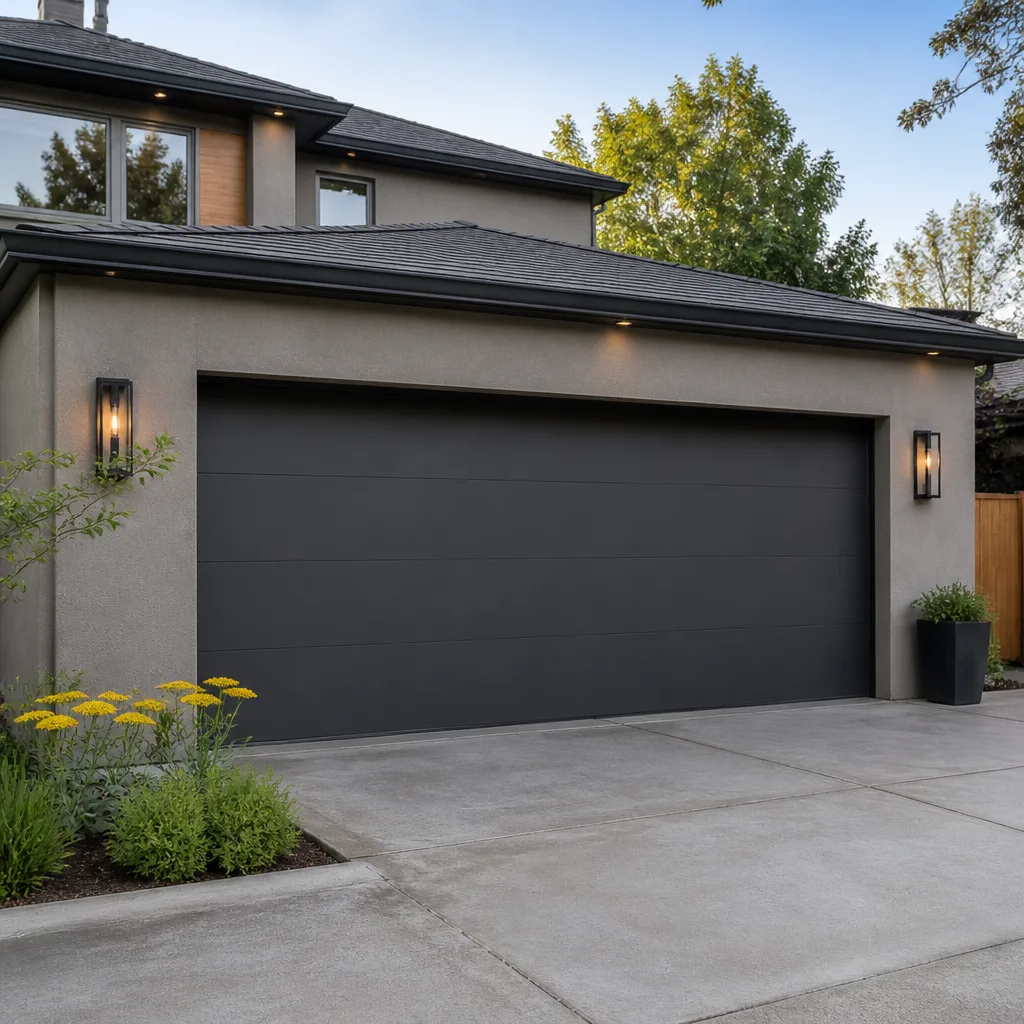 Modern flush
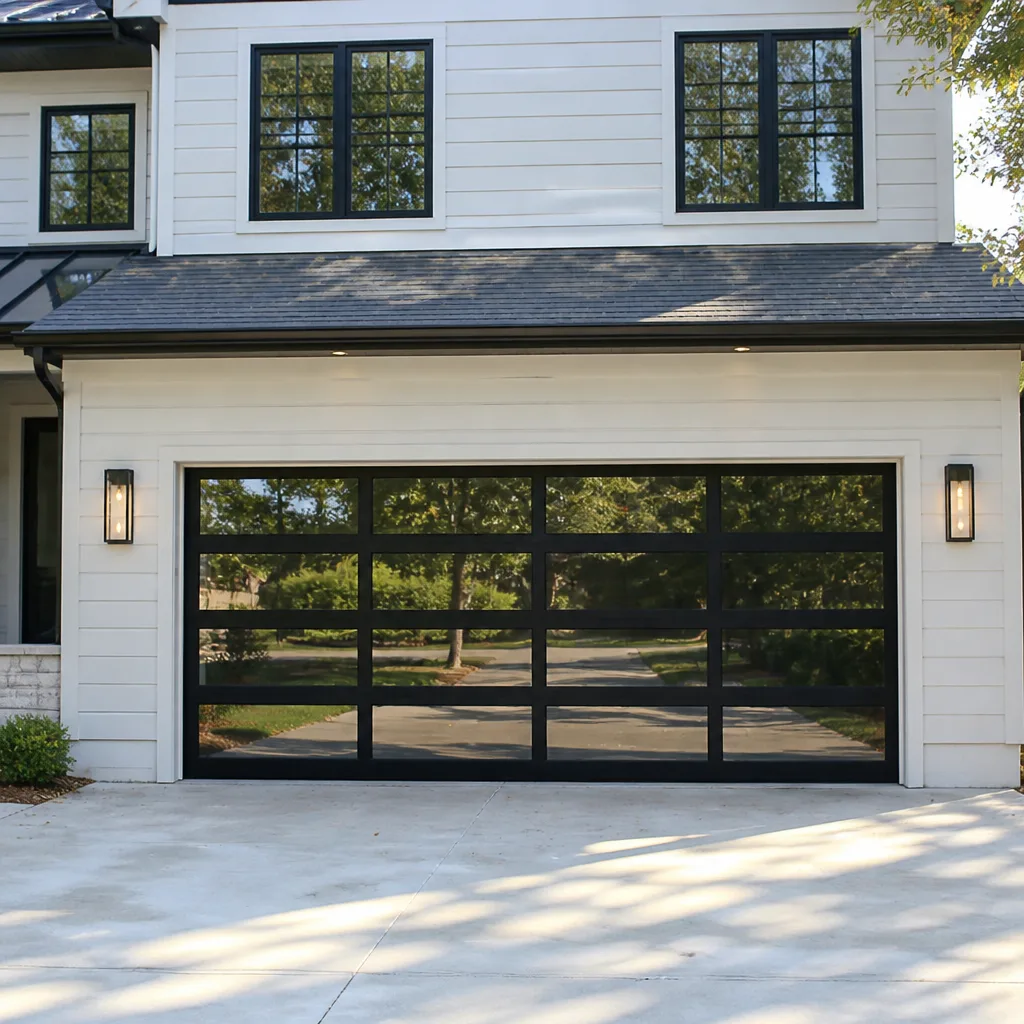 Full-view glass
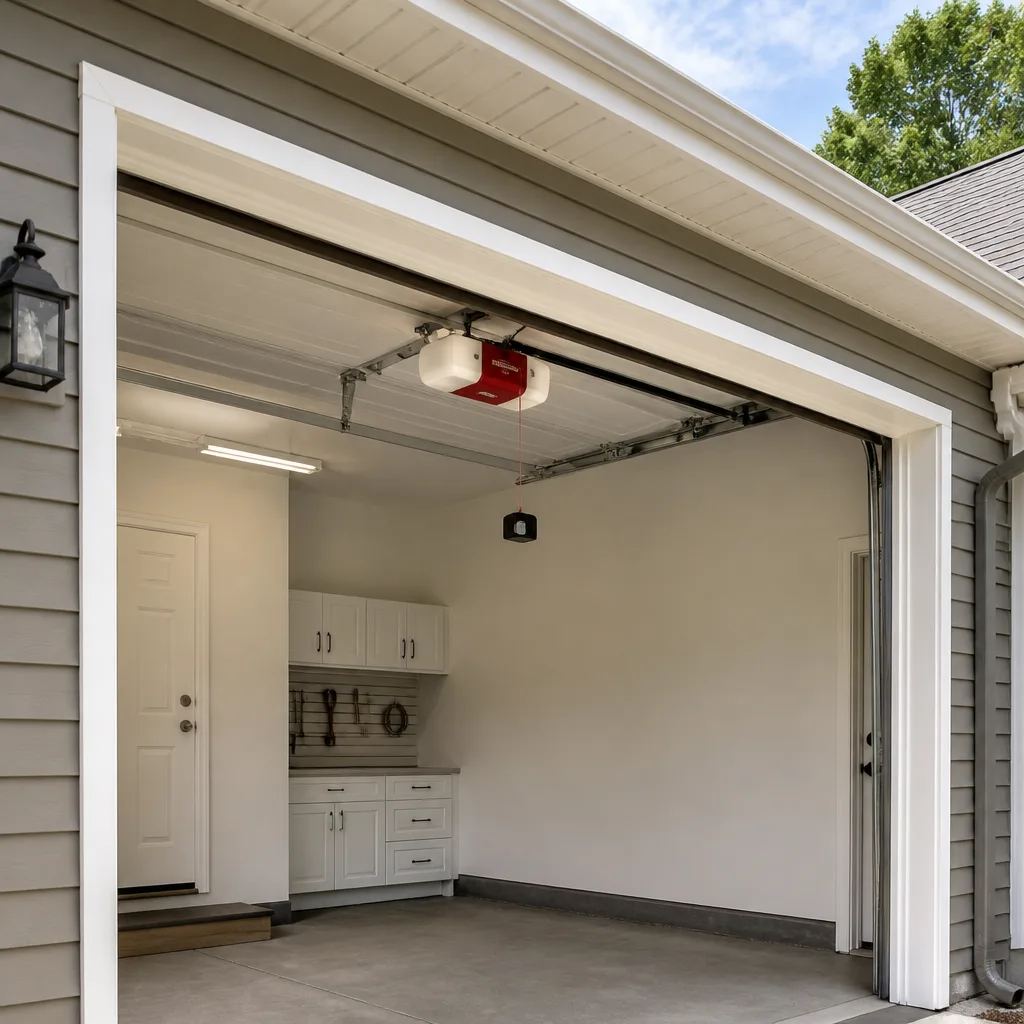 LiftMaster openers
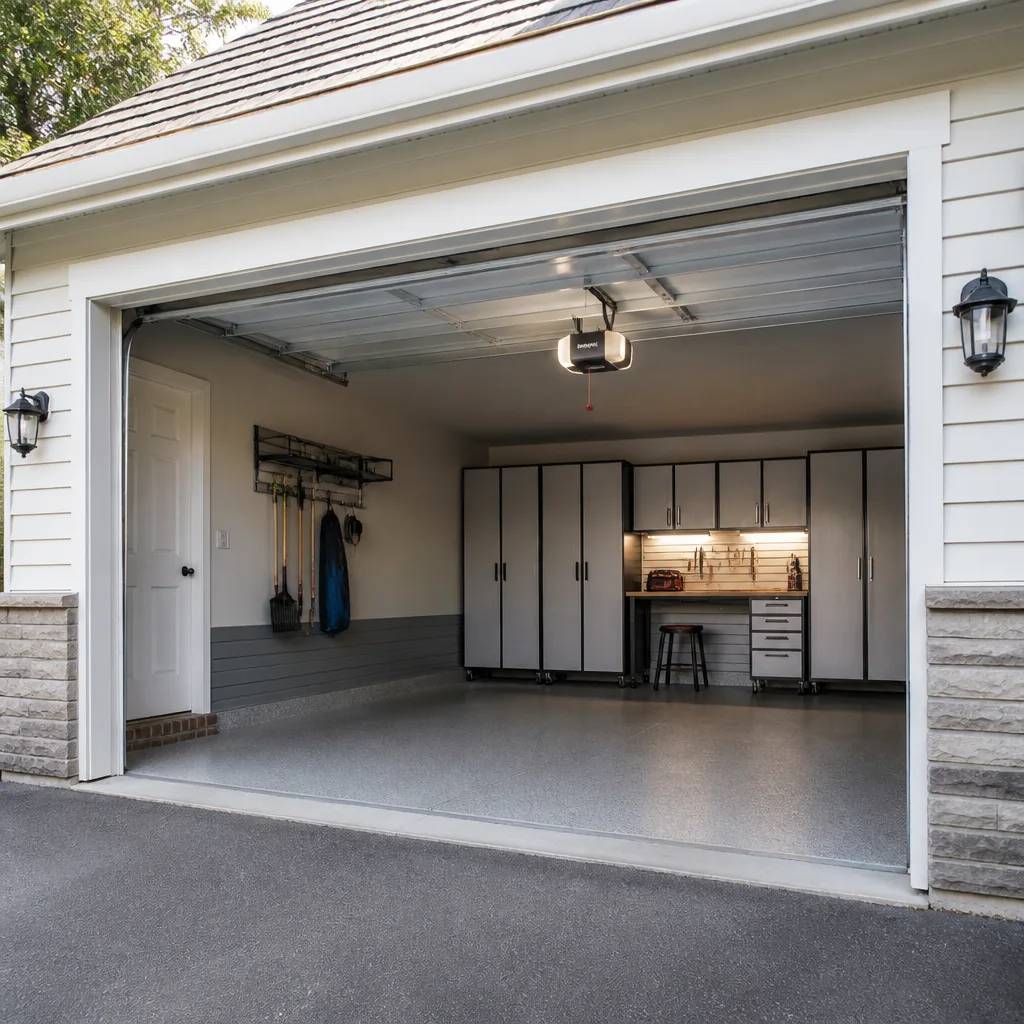 Chamberlain openers
Full 25-point door and opener safety check with every visit - springs, cables, rollers, tracks, and your LiftMaster or Chamberlain opener included
You get a price before we start. It does not change when the pro arrives.
Get your free estimateGarage Door Repair Maintenance Checklist for Dale City Homeowners
Most garage door checklists read like they were written for a climate that doesn’t exist here. They tell you to “inspect in spring and fall” and call it done. But the failures we get called about in Dale City follow a much tighter calendar. A door that seals perfectly in October starts letting cold air under the bottom in January, and by July the same door is sweating and sticking in the humidity. This guide lays out a maintenance schedule built around when things actually break in Dale City, ranks the five parts that fail most often in Prince William County homes, and shows you a ten-minute self-inspection you can do without tools. You’ll learn what you can safely handle on your own and what should go straight to a technician.
Quick Answer
A workable garage door maintenance checklist for Dale City follows the seasons rather than the calendar year: a thorough inspection in March as the freeze-thaw cycle ends, lubrication in May and July before the humidity peaks, balance and seal checks in October, and a cold-weather tune-up in December. The five parts that fail most often here are rollers, hinges, torsion springs, weather seals, and opener safety sensors, in roughly that order of frequency.
Styles & brands we work with
- Raised-panel steel
- Carriage house
- Modern flush
- Full-view glass
- LiftMaster openers
- Chamberlain openers
Table of Contents
- Why Dale City Doors Fail on a Different Schedule
- The Month-by-Month Maintenance Calendar
- The Five Components That Fail Most Often in Prince William County
- The Ten-Minute Self-Inspection That Catches Most Problems
- Lubrication: Springs, Rollers, and Hinges in High Humidity
- What You Can Safely Maintain vs. What Needs a Technician
- Brand Matters: Genie, Clopay, Amarr, and Wayne Dalton Systems
- What Maintenance and Repairs Typically Cost in Dale City
Why Dale City Doors Fail on a Different Schedule
Dale City sits in a pocket of Northern Virginia where the weather swings hard and the housing stock is mostly older single-family homes built in dense subdivisions. That combination tells you a lot about when doors fail. A typical January here brings several hard freezes and warm-ups in the same week. Every cycle, the steel in a door’s tracks and panels expands and contracts. Weather seals that were supple in fall go stiff. Even a door with a perfectly good opener can start scraping or failing to seal at the bottom. This happens not because the door is broken, but because the seals and the bottom edge have lost their flex.
Summer brings the opposite problem. Humidity climbs, and every pivot point on the door – the rollers, the hinges, the torsion spring coils – is working against moisture in the air. A roller that turns smoothly in April may start squealing by July. A torsion spring that wasn’t lubricated before the humidity arrived will corrode at the coils faster than you’d expect for a part that should last many thousands of cycles. We hear about doors that run “fine” all spring and then suddenly wake up the neighborhood in August. That’s the humidity catching up with neglected hardware.
Then there’s the housing itself. Dale City neighborhoods like Dale City proper, Hillendale, Birchdale, and Forestdale are full of homes where a garage door has been in service long enough to need real attention. A Clopay or Wayne Dalton door installed when the house was built is now well into the years where the bushings wear, the springs lose tension, and the opener’s gear assembly starts to show its age. Maintenance on those systems isn’t cosmetic. It’s a matter of catching parts before they fail. For the parts that already have, a garage door repair visit can set things straight.
The Month-by-Month Maintenance Calendar
Generic advice says “spring and fall.” That misses two of Dale City’s worst stress windows. Here’s a calendar built around when things actually fail here.
- March – post-winter inspection. The freeze-thaw cycle is done. Look for bent tracks, misaligned panels, and seals that cracked overwinter. This is the month when winter damage is most visible and easiest to fix before it compounds.
- May – pre-humidity lubrication. Get ahead of the summer humidity by lubricating springs, rollers, and hinges before the sticky weather arrives. A dry door going into a wet summer is a door that will squeal by August.
- July – mid-summer tension check. Balance and safety sensor test. Humidity has had a couple of months to work; this is where you catch early wear on rollers and hinges.
- September – post-summer hardware review. Check for loose hinges and worn rollers. Listen for changes in the way the door runs. If it’s noisier than it was in spring, that’s data.
- October – seal and balance check. Before the cold sets in, verify the bottom seal and weatherstripping. This is the month to catch the drafts before they start.
- December – cold-weather tune-up. A full run-through of balance, lubrication, seal condition, and sensor alignment before the hardest months hit.
You don’t need to do heavy work every month. The point is sequencing – lubrication before humidity, seals before cold, inspection after the extremes. A door that gets this rhythm doesn’t usually surprise you. If you’d rather not track it yourself, Garage Door Repair Dale City handles the maintenance and the tune-ups so the door stays ahead of the failures.
The Five Components That Fail Most Often in Prince William County
Not every part on a garage door fails at the same rate. Some are daily-wear items that quietly wear out; others are the dramatic calls. Here’s the ranking, based on what we see most frequently in this area, along with what it costs if you ignore it.
1. Rollers. The most common failure, and the cheapest to fix. Worn rollers make the door noisy and drag on the opener. Ignored long enough, they can wear the tracks and put strain on the spring system. Replacing a full set of rollers is a modest job compared to what a stuck door turns into.
2. Hinges. Hinges carry the load of the door panels and take a beating with every cycle. Loose pins and worn knuckles cause shaking and misalignment. Left alone, a hinge failure can drop a panel edge, and the door becomes permanently misaligned.
3. Torsion springs. Springs are the most dangerous part on the door and the one that stops everything when it fails. Torsion coils lose tension over thousands of cycles, and in Dale City’s humidity they corrode faster if they’re not lubricated. Springs are not a DIY job – more on that below.
4. Weather seals and bottom rubber. The seal is the first thing to fail in a cold snap. A stiff, cracked bottom seal lets in cold air, water, and pests. If you have a finished garage, a failed seal means your great-room floor gets cold too.
5. Opener safety sensors and limit switches. Sensors get bumped, misaligned, or simply stop responding. A door with a bad sensor closes halfway and reverses. This is a frequent no-heat-loss, fast-fix call, and it’s the opener part that fails most on Genie and LiftMaster systems alike.
Add a sixth for older homes: opener gear assemblies. Nylon gears in older openers strip over decades of use, and the motor runs but the door doesn’t move. If you’re seeing that, a dedicated garage door opener repair visit diagnoses whether it’s the gear or the logic board before it becomes a full replacement.
The Ten-Minute Self-Inspection That Catches Most Problems
You can catch the vast majority of developing problems without tools, on foot, in about ten minutes. The trick is doing the same steps in the same order every time so you notice what’s changed.
- Disconnect the opener using the manual release cord. This lets you test the door’s balance by hand, with no motor involved.
- Lift the door to about waist height and let go. A balanced door stays put. A door that drifts down slowly needs spring attention; a door that drops hard needs it immediately.
- Run your hand along the bottom seal. Look for cracks, stiffness, or gaps. In January in Dale City, a stiff seal is the most common cause of cold air leaking under the door.
- Listen for squeals and grinding as you push the door up and down slowly. Squealing rollers are dry; grinding metal means a hinge pin is worn.
- Look at the tracks. They should be straight and clean. A bent section or loose bracket is a repair, not a maintenance item.
- Check the hinges and rollers for visible looseness. A loose hinge you can wiggle means the screw has backed out of the panel.
- Reconnect the opener and test the safety sensors by putting an object in the path of the beam. The door should reverse immediately.
- Test the force and reverse settings. If the door doesn’t reverse when it meets resistance, stop and call a technician. This is a safety issue, not a tune-up.
These eight steps catch most of what goes wrong before it turns into an emergency. If anything in steps two, five, or eight is off, get it looked at promptly. The parts that fail quietly are usually visible if you run the same inspection on a regular rhythm.
Lubrication: Springs, Rollers, and Hinges in High Humidity
Lubrication is the single highest-value maintenance task a homeowner can do – and the one most people get wrong. The differences matter, especially in a Dale City summer where humidity is high for months and every moving metal surface is working against moisture. Here’s a quick spec guide.
- Torsion springs: Use a dedicated spring lubricant, not a generic oil. A light spritz of a proper spring lube or a silicone-based product works well on the coils; WD-40 works for cleaning but evaporates too quickly to protect the spring through a humid summer. Don’t soak the coils – a light coat is enough.
- Rollers: Use a silicone-based spray or a garage-door-specific lubricant. Avoid thick lithium grease on rollers – it collects grit and creates a paste that accelerates wear. The nylon rollers on many Clopay and Amarr doors need a lighter touch than steel rollers.
- Hinges and pivots: A few drops of a lithium-free lubricant on each hinge pivot, plus a check that the pin isn’t worn, keeps the door running quietly. In high humidity, a hinge that isn’t lubricated will corrode at the pin within a season.
- Tracks: Don’t lubricate the tracks themselves. Wipe them clean with a damp cloth. Grease on the tracks attracts dirt and makes the rollers stick.
- Opener chain or belt: A lightly lubed chain runs quieter and lasts longer. Belt-driven openers, common on Genie and LiftMaster models, don’t need lubrication on the belt itself.
Timing matters as much as product. Lubricate in May before the humidity settles in, then again in September, and the door’s moving parts will hold up much better through the summer. If you’ve never lubricated a torsion spring and aren’t sure where to apply, a technician can show you during a routine visit.
What You Can Safely Maintain vs. What Needs a Technician
Garage door repair maintenance splits cleanly into “safe for you” and “only with a trained technician.” Getting the line right protects both your door and your weekend. Here’s how we draw it.
Safe for homeowners:
- Wiping down the tracks
- Spotting and applying lubricant to springs, rollers, and hinges
- Inspecting the bottom seal and weatherstripping
- Testing the balance and safety sensor
- Cleaning the photo-eye lenses
Needs a trained technician:
- Replacing torsion springs – the highest-tension part on the door, under hundreds of pounds of force
- Replacing cables – a snapped cable under tension can cause serious injury
- Replacing rollers that require removing the door from the track
- Repairing or replacing bent tracks
- Adjusting the opener’s force and travel limits if the door doesn’t reverse correctly
- Replacing the opener motor or control board
The rule is simple: if the task involves tension, cable, or the door leaving its track, it belongs with a technician. Torsion springs and cables are genuinely dangerous, and working on them without the right winding bars is how homeowners get hurt. That’s why we handle spring replacement as a dedicated service rather than a general repair – the tools, the technique, and the safety protocols are specific. If you’re not sure which category your issue falls into, garage door spring repair is the place to start for anything tension-related.
Brand Matters: Genie, Clopay, Amarr, and Wayne Dalton Systems
Knowing the brand on your door changes what you should be checking and when. A maintenance checklist works best when it’s tuned to the specific system on the house. We service eight of the most widely installed brands in Dale City homes, and the differences show up in maintenance.
Genie openers are common in this area, and their safety sensors and limits are the parts that most often need attention. The screw-drive models are reliable but need clean tracks and periodic lubrication to stay quiet. Clopay doors are the most common residential brand we see in the area’s subdivisions, and their panel construction and hinge style dictate where rust and wear tend to start.
Amarr and Wayne Dalton doors tend to have specific spring systems and roller configurations, which means the right replacement parts matter. A generic “one size fits all” approach doesn’t work as well on these. That goes double for older doors that have been on the house for a while, where knowing the brand tells us what to expect before we see it.
The deeper point is this: a technician who arrives knowing your brand can diagnose faster and carry the right part. That’s why we’ve built our training around the eight major brands rather than a generalist’s approach. If you’re not sure what’s on your door, look for the manufacturer’s sticker on the inside of the top panel or on the opener motor – it’s usually there. Bring that information into the conversation and any maintenance recommendation gets much more accurate.
What Maintenance and Repairs Typically Cost in Dale City
Maintenance ranges from a few dollars in lubricant to a service call, and the most common repair – rollers – is a modest job. The bigger costs come when small wear turns into a full failure. Here’s a rough picture of what these jobs typically run in Dale City. All prices are estimates and the written quote sets the final price.
| Job | Typical range (estimate) |
|---|---|
| Lubricant and DIY supplies | A few dollars to about $20 |
| Roller replacement (full set) | $90 to $180 |
| Hinge replacement | $60 to $150 |
| Torsion spring replacement (one spring) | $180 to $340 |
| Weather seal and bottom rubber | $80 to $200 |
| Safety sensor or limit switch adjustment | $75 to $150 |
| Opener gear or control board | $120 to $280 |
A few things to know about these numbers. A matched pair of springs is often replaced together, so a two-spring job costs about twice the per-spring range. Every job should come with a written estimate you approve before any work starts. And maintenance is cheaper than repair in almost every case – the difference between a $15 can of proper lubricant and a spring replacement is real. For a specific figure on your door, garage door opener repair and the spring pages can give you a closer read on what your door actually needs.
Common Mistakes to Avoid
- Waiting until a noise becomes a grinding. Squeals in May are wear; grinding by August is a hinge that’s already failed. Catch the noise early and it’s a cheap fix.
- Using grease on the tracks. Lubricating the tracks feels logical but attracts grit and makes rollers stick. Wipe the tracks clean and keep the lubrication on the moving parts.
- Skipping the January seal check. In Dale City’s cold snaps, a stiff bottom seal is the most common cause of a drafty garage. A quick check in December catches it before the cold.
- Lubricating springs with the wrong product. WD-40 cleans but doesn’t protect the coils through a humid summer. A dedicated spring lubricant lasts longer and costs less over a season.
- Trying to adjust the opener’s force settings yourself. This is a safety setting. A door that doesn’t reverse properly can hurt someone. That’s a call-a-technician item, every time.
- Replacing one spring when the pair is due. If your door has two springs and one breaks, the other has taken the same wear. Replacing both together is usually cheaper than a second service call in a few months.
- Treating an old door like a new one. A Wayne Dalton or Clopay door that’s been on a Dale City house for many years needs more than lubrication. It needs a full balance and spring check during each professional visit.
See the difference
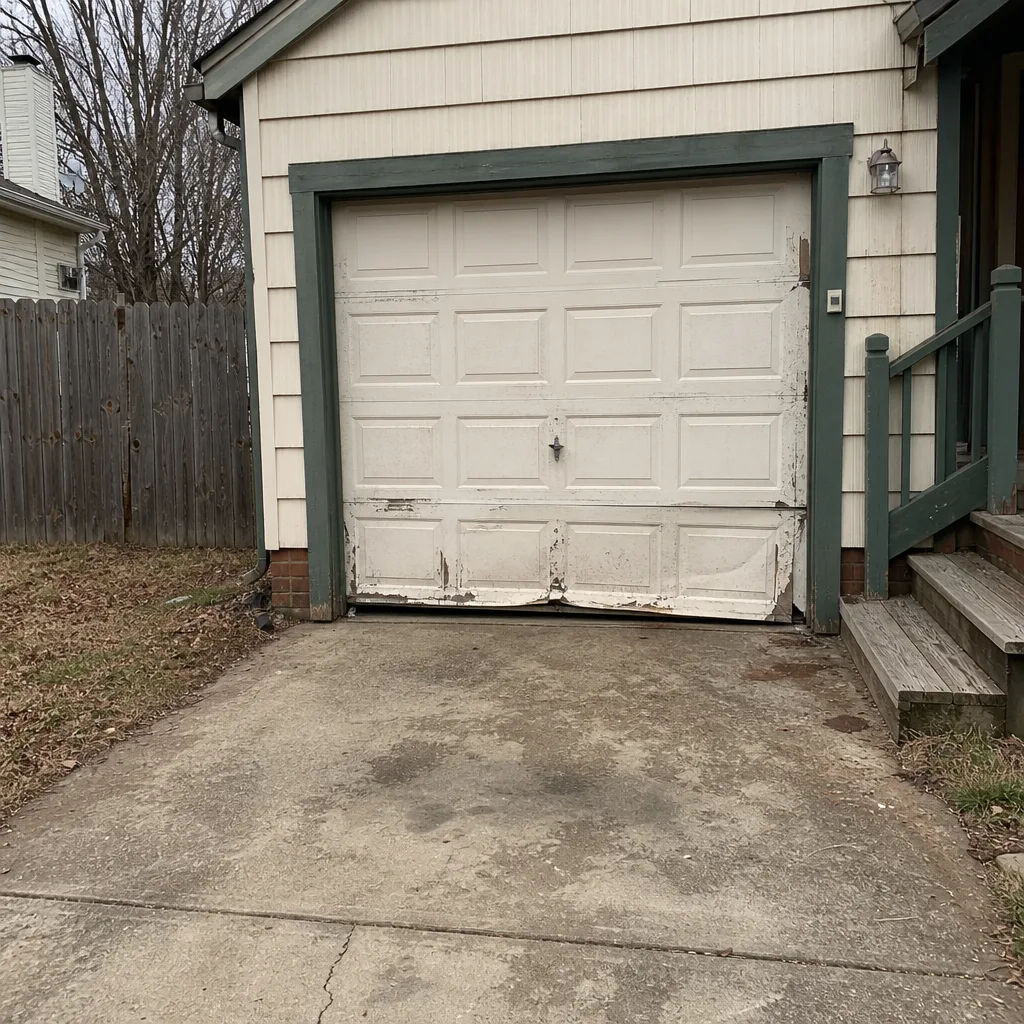 Before
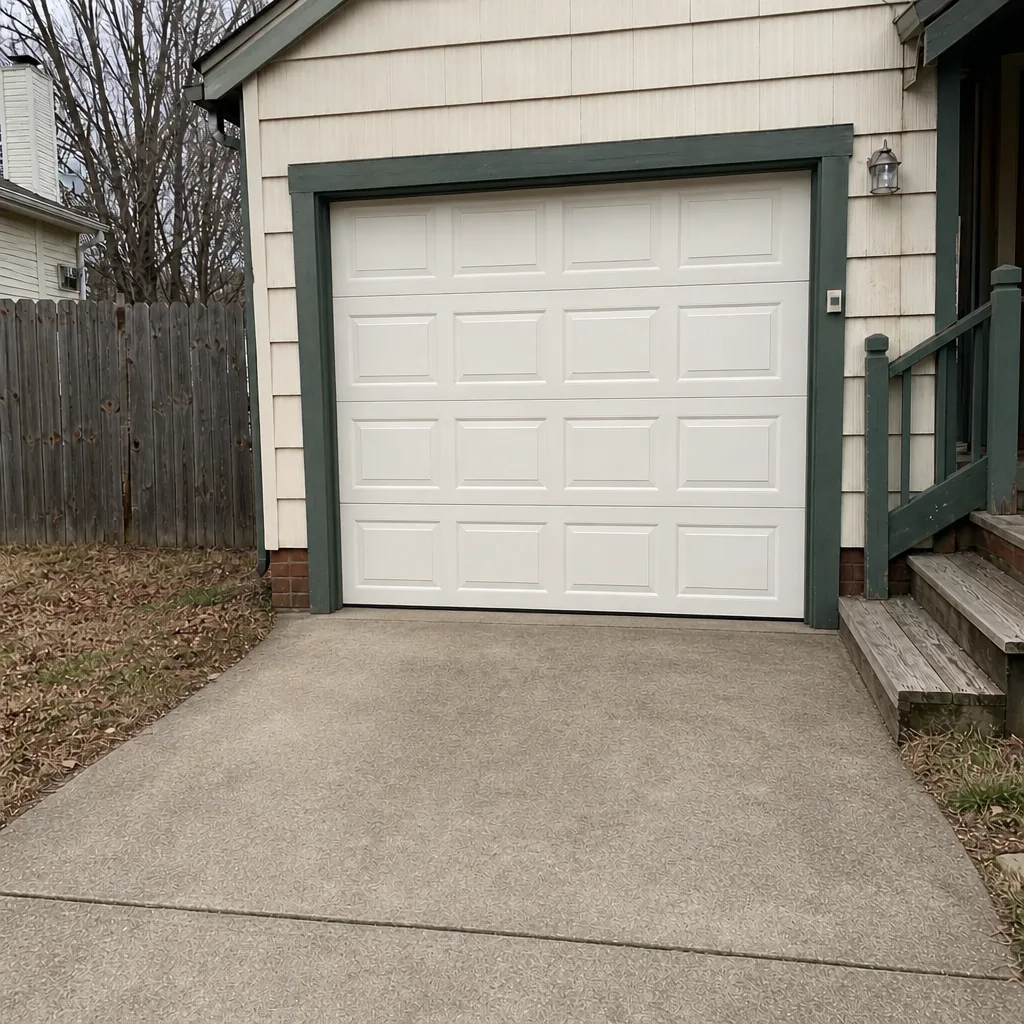 After
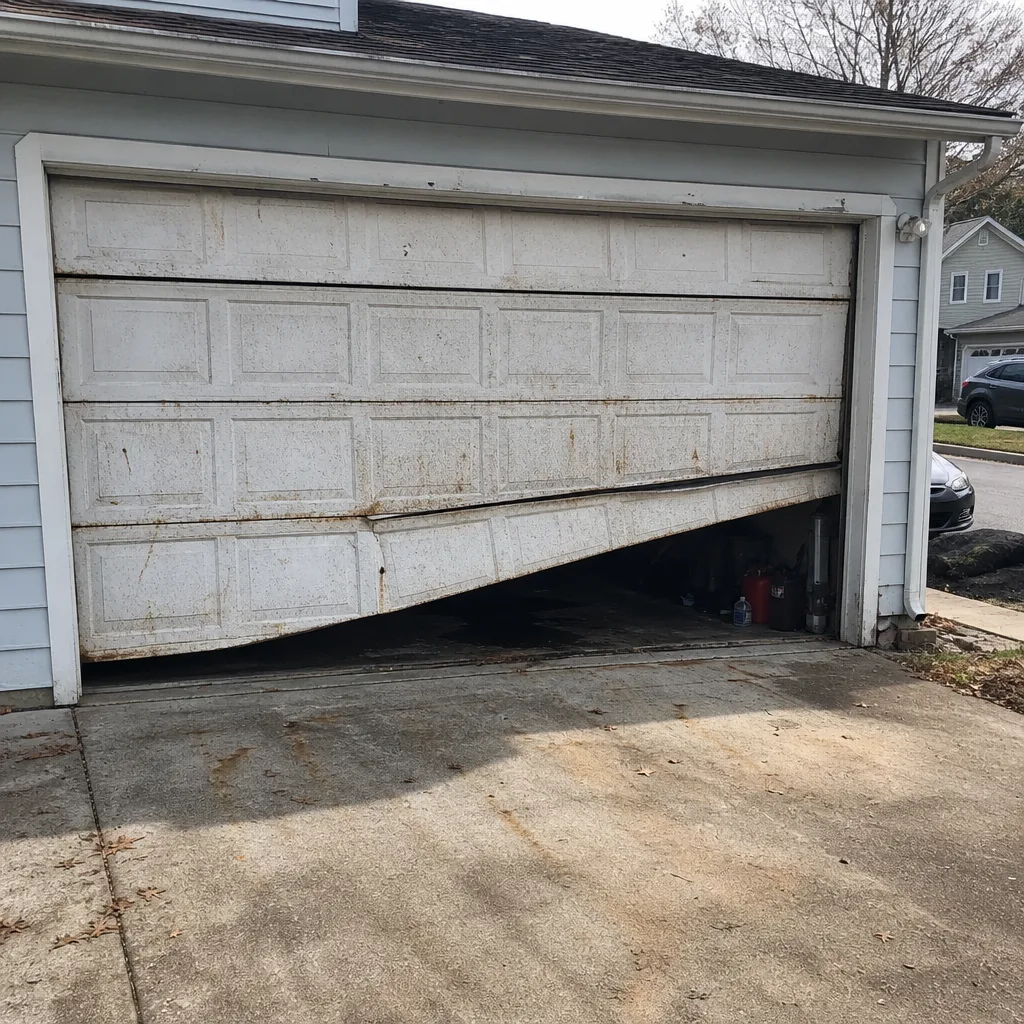 Before
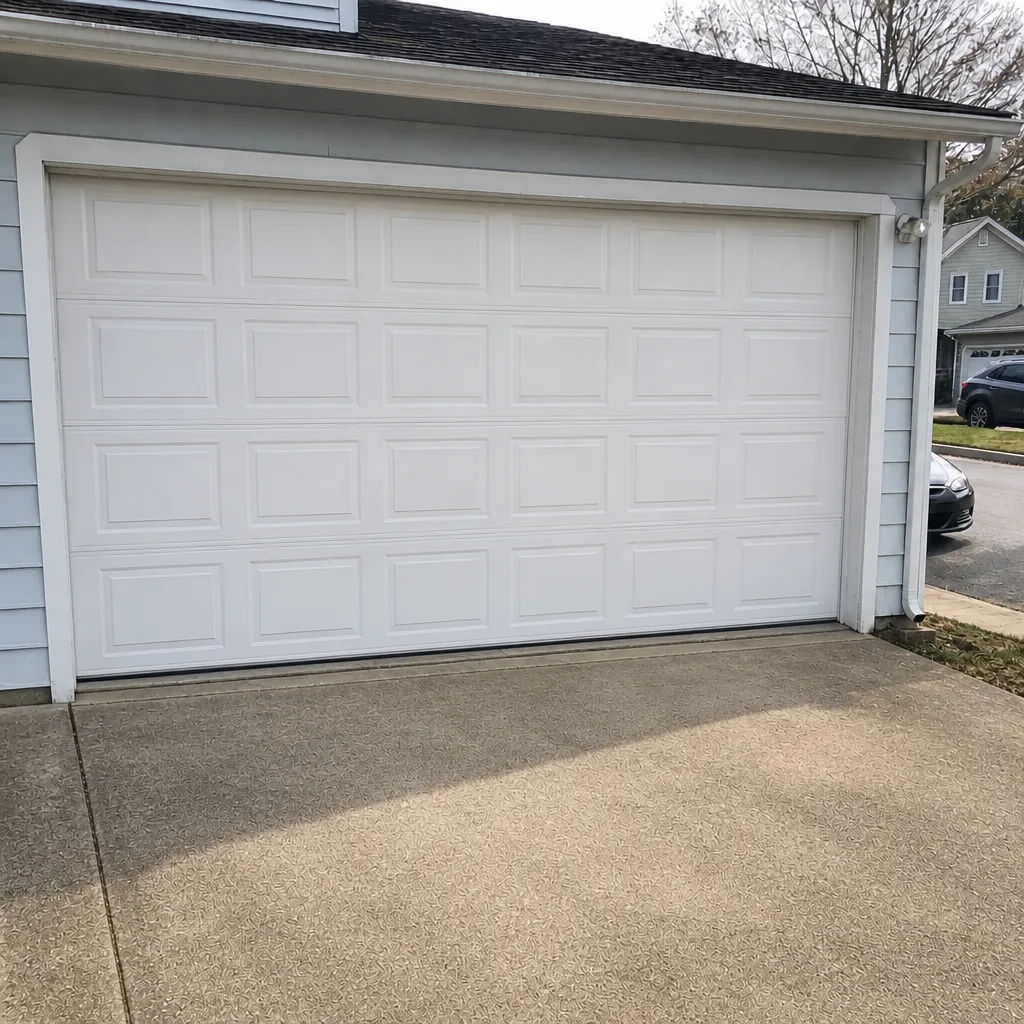 After
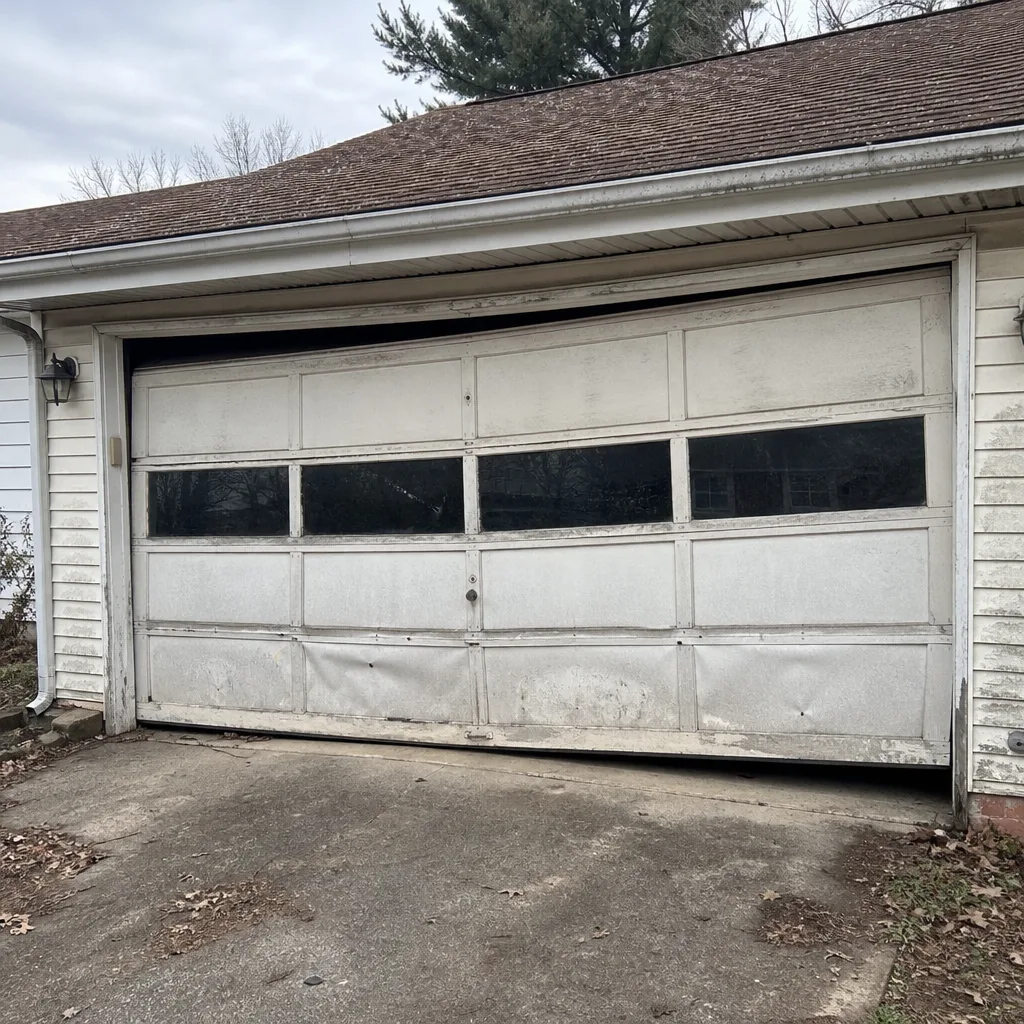 Before
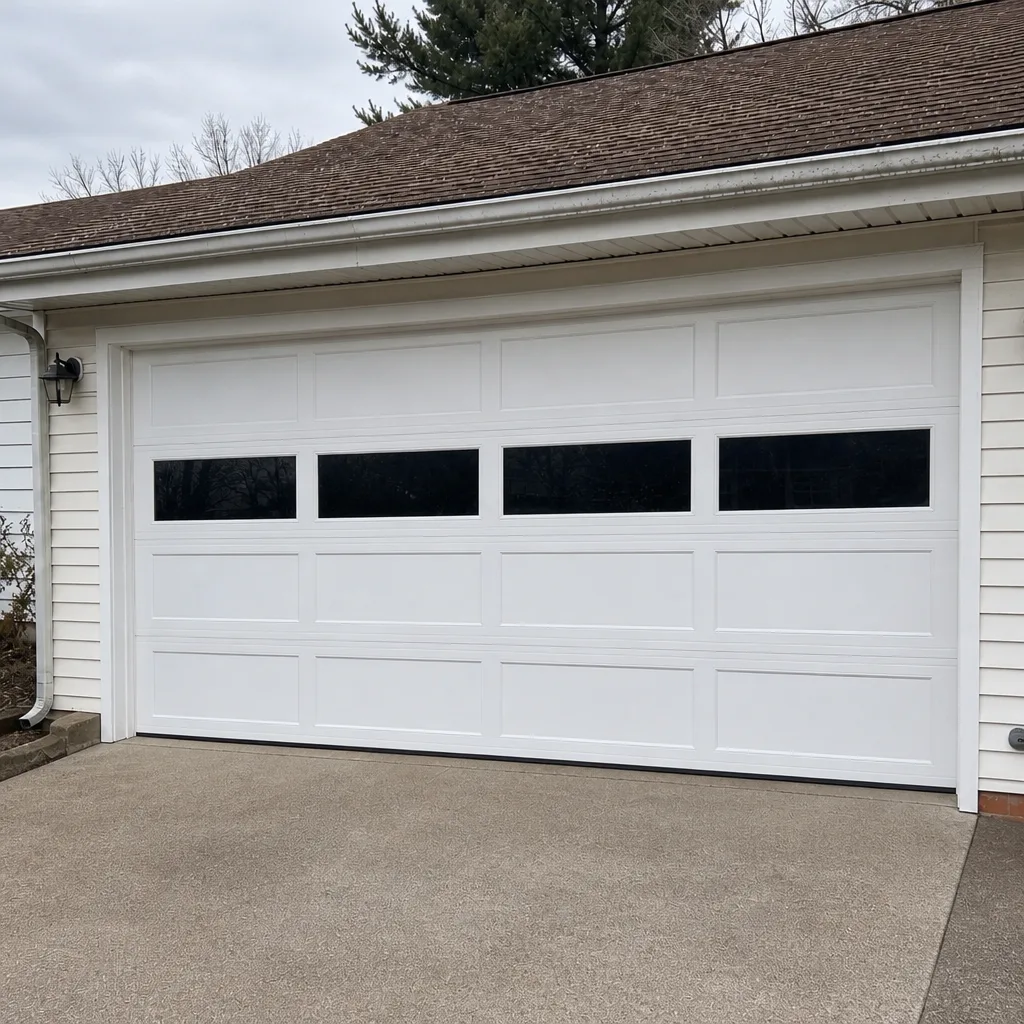 After
When to Call a Professional
Call a professional if the door doesn’t balance when disconnected from the opener, if the springs show corrosion or gaps between the coils, if the door reverses unexpectedly or doesn’t reverse on contact with an object, or if you hear grinding at the opener. Call immediately if a spring has broken and the door is stuck – a broken spring means the door’s full weight is working against the opener, which can tear the mount out. A snapped cable, a bent track, or a door that comes off its rollers is also a stop-right-now situation. And any time the task involves tension or cables, stay off the ladder. Garage Door Repair Dale City offers free estimates in Dale City – call (844) 820-1801.
Frequently Asked Questions
Lubricate and inspect your door roughly every three to four months, with a full tune-up at least once a year, ideally in December before the cold months hit. The multi-season Dale City climate – hard freezes in winter and humid summers – wears moving parts faster than a more stable climate would, so a seasonal rhythm works better than an annual one.
Keeping the torsion spring lubricated and keeping the door balanced are the two things that slow spring wear. Lubrication reduces corrosion on the coils, and balance checks catch the early tension loss before the spring fails entirely. A spring can still break after thousands of cycles, but a lubricated, balanced door usually lasts longer and fails more predictably. If a spring is already showing corrosion or gaps between coils, call (844) 820-1801 for an inspection.
Yes, applying lubricant to the torsion spring is safe as long as you’re not winding, adjusting, or removing the spring. The danger comes from working on the spring under tension, which requires specific tools and should only be done by a trained technician. Spraying a light coat of proper spring lubricant along the coils is a homeowner task; anything that involves adjusting tension is not.
That’s the most common cold-weather complaint we hear in Dale City. The bottom seal and weatherstripping lose flexibility in cold weather, so a door that sealed perfectly in fall starts letting air through in January. It rarely means the door is out of balance. A replacement bottom seal is usually a quick fix, often under an hour.
We service eight of the major residential brands, including LiftMaster, Chamberlain, Genie, Clopay, Amarr, Wayne Dalton, Craftsman, and Raynor. Knowing the specific system on your door helps a technician carry the right parts and spend less time diagnosing. If you’re not sure which brand you have, check the sticker on the inside of the top panel or the opener motor.
No. A routine tune-up or inspection is typically less than a repair call because it doesn’t involve replacement parts. The price depends on what the visit uncovers. Every visit comes with a written estimate you approve before any work starts. Call (844) 820-1801 for a free estimate on your particular door.
The Bottom Line
Garage door maintenance in Dale City isn’t about checking every part every month. It’s about timing the right tasks to the right window – lubrication before the humidity, seals before the cold, a full inspection after the extremes. The five parts that fail most often here are rollers, hinges, springs, weather seals, and safety sensors, and the cheapest way to catch them is a consistent ten-minute self-inspection every season. Leave anything involving springs, cables, or the opener’s force settings to a technician; those are the tasks where a small mistake becomes a big one. Do the rhythm, catch the wear early, and the door will last. Our technicians have up to 13 years of experience working with the brands Dale City homeowners already own.
Ready to get your door on a maintenance schedule or fix something that’s already slipping? Garage Door Repair Dale City offers free estimates on every job. Call (844) 820-1801 today, tell us what your door is doing, and we’ll give you a straight answer on what it needs.
Written by the team at Garage Door Repair Dale City.