Last updated November 22, 2026
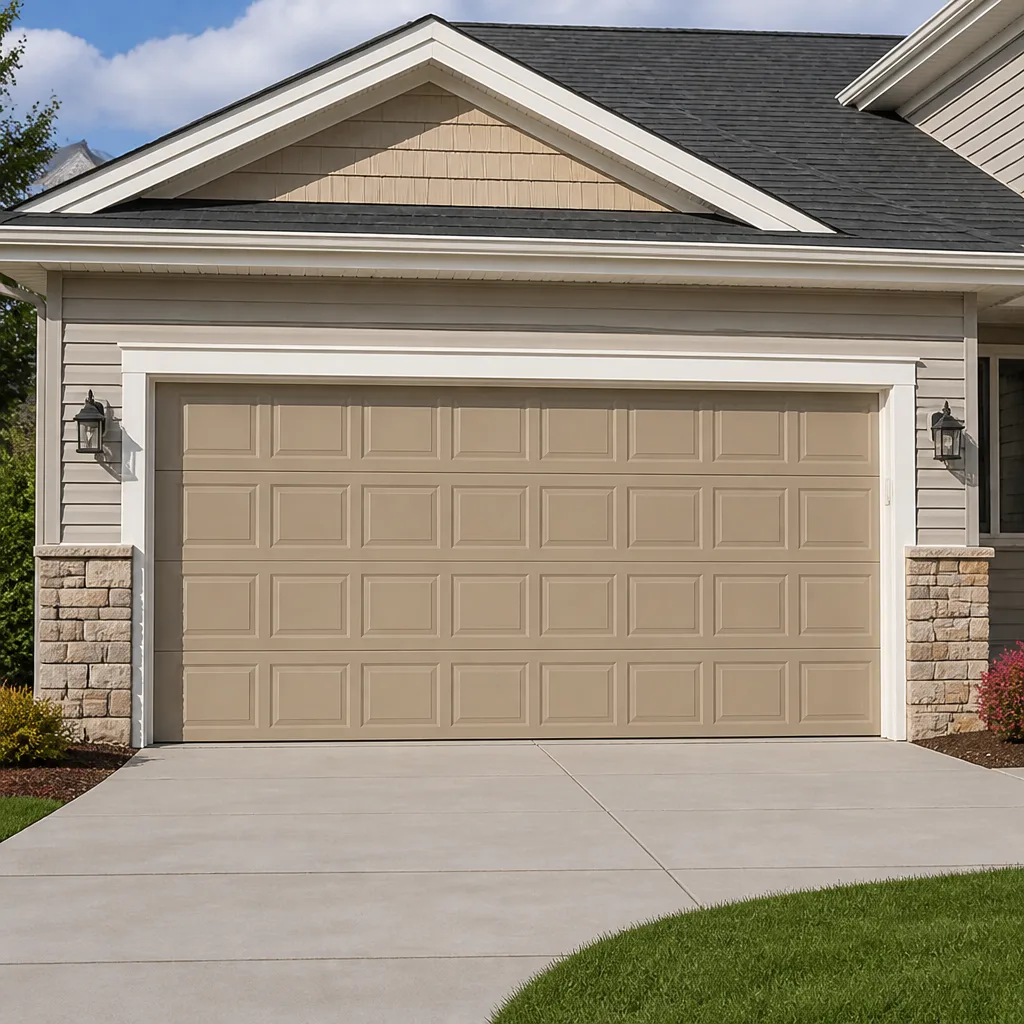 Raised-panel steel
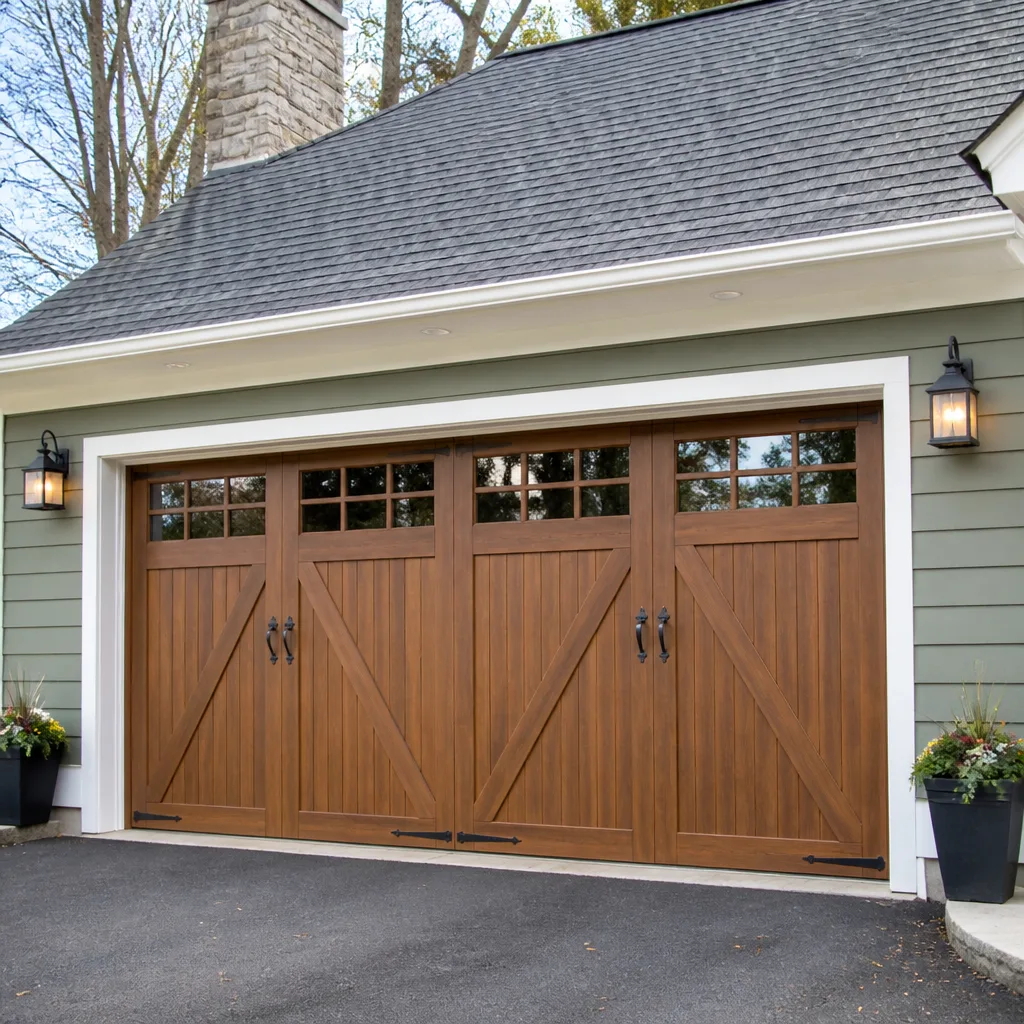 Carriage house
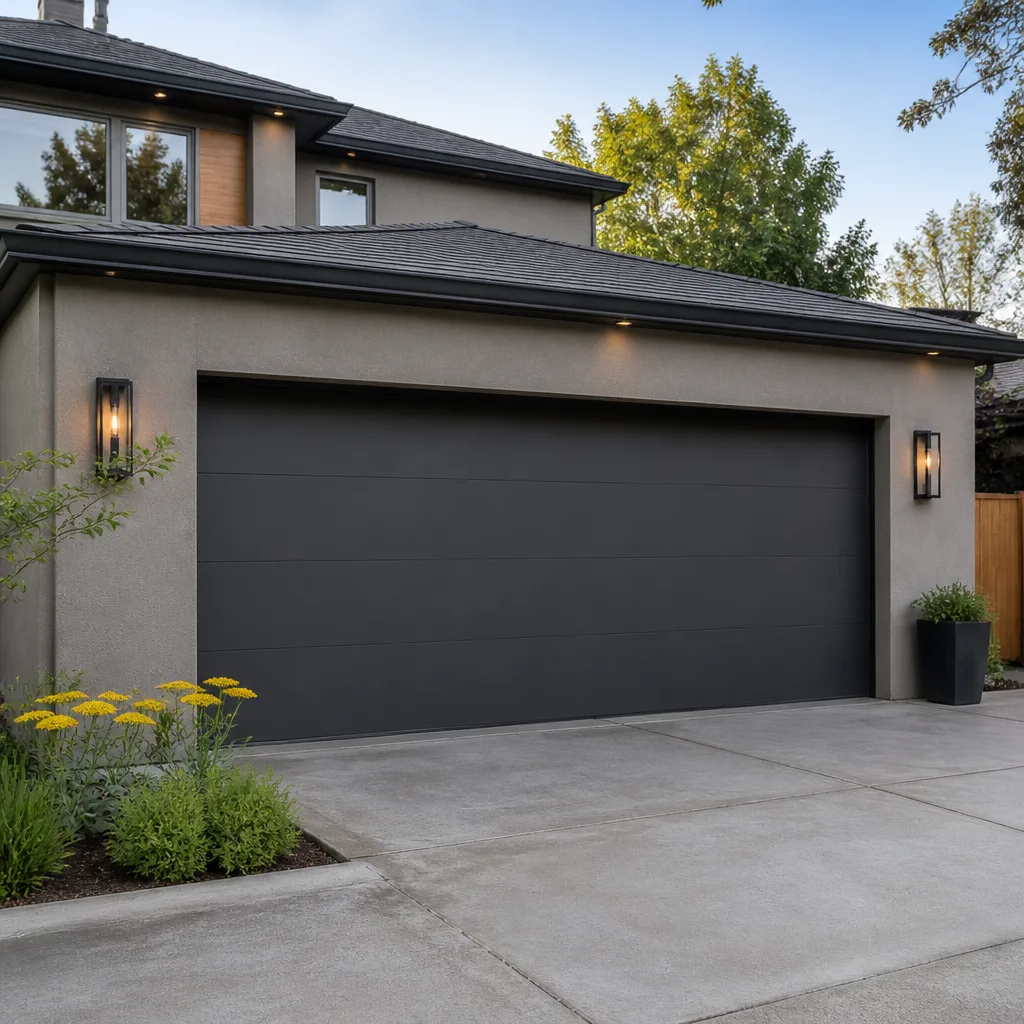 Modern flush
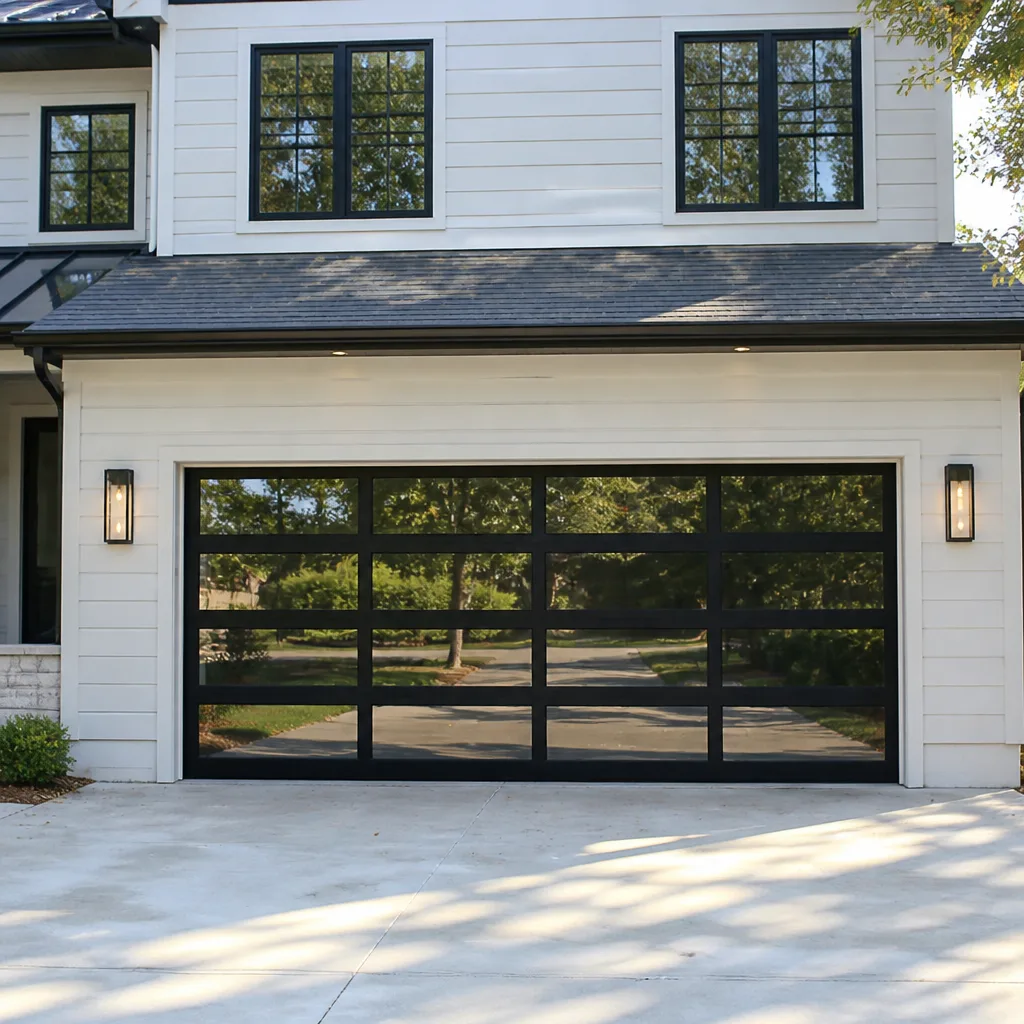 Full-view glass
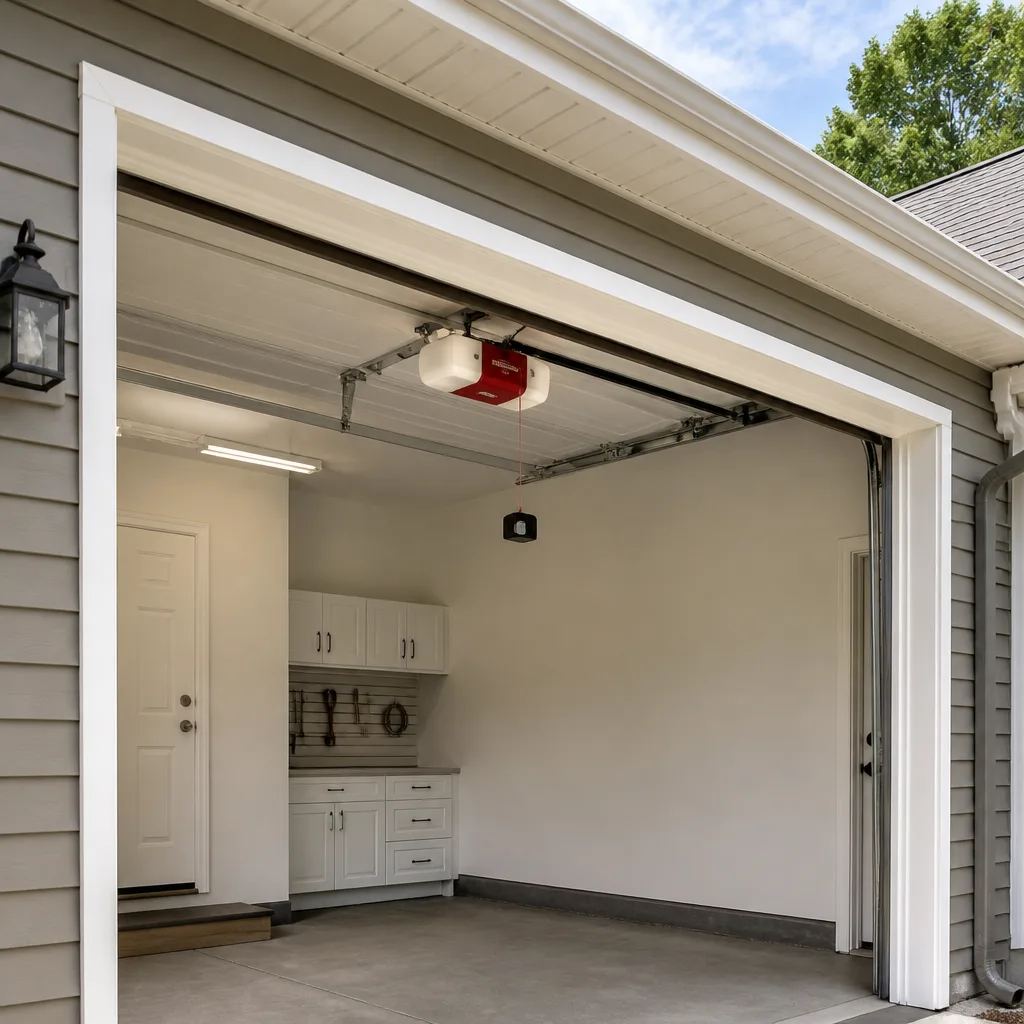 LiftMaster openers
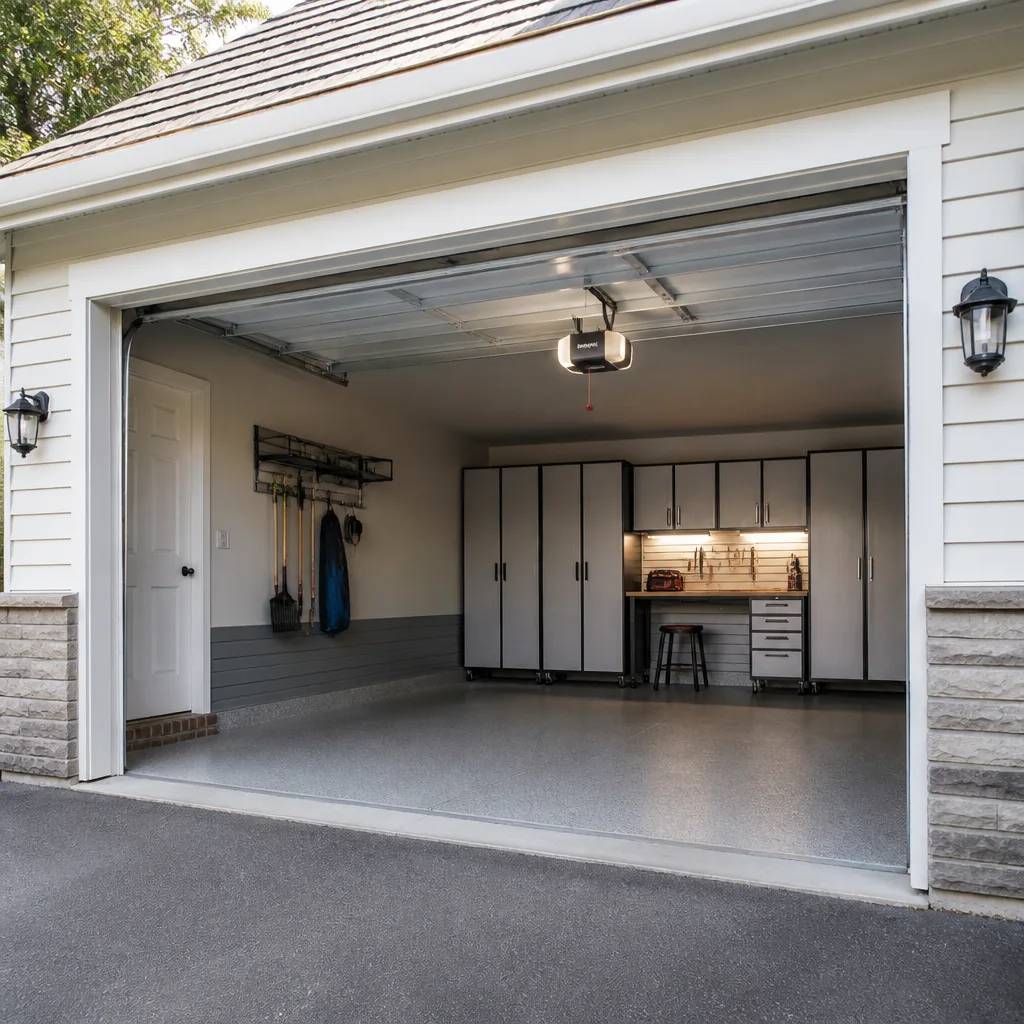 Chamberlain openers
Full 25-point door and opener safety check with every visit - springs, cables, rollers, tracks, and your LiftMaster or Chamberlain opener included
You get a price before we start. It does not change when the pro arrives.
Get your free estimateGarage Door Permits, Codes & Inspections in Dale City, VA: What You Need to Know
Most Dale City homeowners assume a garage door is like a kitchen faucet: swap the old one for a new one and nobody needs to be told. That assumption is where trouble starts. A garage door replacement sits in a gray zone of the Prince William County building code, and whether you need a permit depends less on the door itself than on what changes around it. Change the size of the opening, add an opener circuit, alter the header, and you’ve crossed from a simple swap into permitted work. This guide lays out the actual thresholds that trigger a permit, how HOA approvals differ from county permits, what a Virginia inspection really checks, and how unpermitted work surfaces at resale. We’ll keep it practical, because that’s what a Dale City homeowner needs before signing an estimate.
Quick Answer
In Dale City and the rest of Prince William County, a straight like-for-like garage door replacement on a single-family home often does not require a building permit, but any structural change to the opening, a new electrical circuit for an opener, or a change in door size usually does. HOA architectural approval in Dale City subdivisions is a separate step from the county permit and is required by most associations regardless of permit status. When in doubt, call the Prince William County building department before work starts; a five-minute question protects your resale.
Styles & brands we work with
- Raised-panel steel
- Carriage house
- Modern flush
- Full-view glass
- LiftMaster openers
- Chamberlain openers
Table of Contents
- What Triggers a Garage Door Permit in Prince William County?
- HOA Approval vs. County Permit: Two Different Things
- What a Virginia Garage Door Inspection Actually Checks
- The Resale Risk of Unpermitted Garage Door Work
- How to Check Permit Status From a Previous Owner
- How Dale City Weather Affects Doors, Springs, and Hardware
- How to Prepare for a Permit or Inspection Visit
- What Permit-Related Garage Door Work Costs in Dale City
What Triggers a Garage Door Permit in Prince William County?
Here’s the useful way to think about it: a permit is about the building, not the door. If you’re replacing a worn sectional door with a new one of the same size, in the same opening, hung on the same tracks and using the same hardware layout, the work is typically treated as a minor repair or like-for-like replacement and usually does not require a building permit in Prince William County. Many Dale City replacements fall in that category, which is why neighbors will tell you “I didn’t need one” and be telling the truth.
The moment you move off like-for-like, the picture changes. These are the situations that reliably push a Dale City job into permitted territory:
- Changing the opening size. Widening, raising, or converting a single door to a double, or a manual door to a larger overhead door, alters the header, jambs, and framing. That’s structural and usually needs a permit.
- Adding or moving an opener circuit. New electrical work for a LiftMaster, Chamberlain, Genie, or Craftsman opener needs an electrical permit, typically pulled by the electrician.
- Altering the header or load path. Any modification to structural framing above the door is permit work.
- Converting the garage. Turning the space into living area, or adding a door where none existed, is a larger permitted project.
- New construction or additions. A garage added to the house pulls its own permits, and the door is part of that scope.
We’ve walked into plenty of Dale City homes where a previous homeowner widened an opening without a permit. The work can look fine on the surface. What it leaves behind is a paper trail problem, not a door problem, and that’s usually what surfaces later.
If your replacement is like-for-like and you’re simply choosing a new Clopay, Amarr, or Wayne Dalton model to sit in the existing opening, you’re usually in the no-permit column. If the layout is changing, call the county first.
HOA Approval vs. County Permit: Two Different Things
Dale City is full of neighborhoods with active homeowner associations, and the most common confusion we run into is that people treat HOA architectural approval and a county permit as the same step. They aren’t. They’re two entirely separate tracks with different reviewers, different paperwork, and different deadlines. You can have full county permit clearance and still be in violation of your HOA covenants because you didn’t get architectural approval.
Here’s how the two tracks differ:
- Who reviews it. The county building department reviews the permit for code compliance. The HOA architectural review committee reviews your request for compliance with deed restrictions.
- What they care about. The county cares about structure, safety, and electrical work. The HOA cares about appearance: door style, color, panel configuration, sometimes even the type of window inserts.
- What triggers each. A permit is triggered by scope. HOA approval is often required for any visible exterior change, including a like-for-like replacement in a different color.
- Timeline. HOA review may run on its own schedule and can take longer than a homeowner expects. Get the approval in writing before ordering a non-stock door.
Our advice for a Dale City replacement: call your association first, before you even pick out a model. Ask for the architectural request form and any restrictions on color and style. Then decide whether the door you want needs a county permit. Doing this in the right order saves weeks. Doing it in the wrong order can mean a door sitting in a warehouse while you sort out paperwork. If you want to think through door style options in advance, our garage door repair team can talk through which models fit common Dale City opening sizes.
What a Virginia Garage Door Inspection Actually Checks
A residential garage door inspection in Virginia isn’t a formality. Whether it’s a home inspector, a county inspector reviewing permitted work, or a technician doing an annual safety check, the checklist overlaps quite a bit. Understanding what gets checked helps you prepare and helps you spot an issue before it becomes one.
Here’s what a typical inspection covers:
- The balance test. With the door disconnected from the opener, it should stay open at roughly the halfway point. A door that slams shut or drifts up on its own is out of balance and needs adjustment.
- Spring condition. Torsion and extension springs get checked for wear, rust, and sections that have lost tension. Never touch a spring yourself; the tension stored in a spring can cause serious injury, which is why we treat garage door spring repair as a job for trained technicians only.
- Cables and drums. Cables get looked at for fraying and drums for proper winding. Worn cables are a safety issue, not a cosmetic one.
- Track alignment. Bent or misaligned tracks cause binding and premature wear on rollers and hinges.
- Hardware tightness. Bolts, hinges, and brackets get checked for looseness and rust.
- Auto-reverse and photo-eye function. The opener’s safety reverse must engage when it meets an obstruction, and the photo-eye sensors must break the beam correctly. This is the single most important safety check in the list.
- Weather seal and bottom threshold. Worn bottom seals let air, water, and pests in, and they show up on inspection reports.
- Door panel and section condition. Cracked panels, broken hinges, and failing section joints all get noted.
For a county inspection tied to permitted work, the inspector is usually focused on the specific scope that was permitted: structural changes, electrical work, or a new opening. The broader safety list still matters to your home inspector at resale. If you want a full check before a sale or after winter, our Garage Door Repair Dale City service covers the full list in one visit.
The Resale Risk of Unpermitted Garage Door Work
This is the part most homeowners wish they’d known before they replaced a door years ago. Unpermitted garage door work, or a garage that shows evidence of structural or electrical changes without a permit on record, has a way of surfacing during a home sale. It rarely kills a deal outright, but it slows one down and gives the buyer a negotiating lever.
Here’s how it typically shows up:
- Home inspector notes. A good inspector picks up a widened opening with a new header, a non-standard wiring run, or an opener installed where the panel wasn’t updated to support it. The note goes in the report, and the buyer asks questions.
- Title and permit search. During closing, a title search or a municipal permit search may reveal that no building permit was ever pulled. Even in a like-for-like case, if a prior owner changed the opening size, the missing permit becomes visible.
- Buyer’s lender. Some lenders ask for permits to be verified on structural items. A garage that was converted to living space without a permit is the most common example we hear about.
- Appraisal adjustment. An appraiser who notices unpermitted work may adjust value. That’s the worst-case outcome, but it’s a real one.
The fix is rarely dramatic. In many cases, a homeowner can work through the county’s process to get the work legalized, which may involve a permit application and an inspection. But it takes time and money, and it comes with the pressure of a sale on the line. Getting the paperwork right the first time in Dale City is a much simpler path.
How to Check Permit Status From a Previous Owner
If you bought a Dale City home where the garage door looks newer than the rest of the house, or where the opening looks wider than the original plan, it’s worth confirming whether a permit was ever pulled. You can do this without a lawyer, and it usually takes one phone call and a public records request.
Here’s the sequence we recommend:
- Call the Prince William County building department. Ask for the permit history at your address. Give them your property address and, if they ask, the parcel ID from your tax bill. They can tell you what permits exist on record.
- Ask specifically about garage door or garage structure permits. Permit records are often listed by scope, not by trade, so ask for both door and framing permits in the relevant years.
- Request records in writing. If the phone answer is unclear, submit a public records request for the file. You’ll get copies of whatever permits exist, including final inspection sign-offs.
- Review your closing documents. Your title company often has a permit search already in the file. Ask them for it.
- Compare the door to the original plans. If your county has original construction plans on file, compare the original garage opening size to the current one. A mismatch usually means a change was made.
- If a permit wasn’t pulled, don’t panic. Call the county and ask what the process is to legalize the existing work. In many cases, a site inspection and a permit application resolve it.
One more useful step: check your HOA. Many Dale City associations keep records of approved architectural changes. If the door was replaced by a prior owner with HOA approval and no permit, you have a paper trail showing the work was intentional and reviewed, which helps. If there’s no record at all, ask the HOA board what they have on file.
If your door is currently working, this whole exercise is just insurance. If it isn’t, the priority is getting it operating safely, and that’s when you call a technician. You can reach ours for garage door repair any day we’re open; emergency service is available when a door is stuck or a spring has snapped.
How Dale City Weather Affects Doors, Springs, and Hardware
Prince William County’s climate is not the harshest in Virginia, but it’s far from gentle on garage door hardware. The pattern here is a long, humid summer, a wet spring and fall, and a real freeze-thaw cycle in winter. That combination does more damage to a garage door than the average homeowner realizes, and it’s exactly the kind of wear that shows up on an inspection report.
What this means in practice for a Dale City door:
- Humidity and steel. Summer humidity makes steel track and hardware more prone to surface rust, especially on a door that faces the afternoon sun. Rusted rollers bind and wear out faster.
- Freeze-thaw on the bottom seal. Water that settles under the bottom seal freezes and splits it over a winter or two. A worn seal lets in more moisture, which then accelerates rust on the bottom section.
- Spring fatigue. Springs have a cycle life, not a calendar life, but temperature swings put extra stress on them. A spring that survived a mild winter often shows its limits the following summer.
- Wood and composite doors. Paint failure and moisture intrusion on wood and composite doors is a slow process, but it’s the one most likely to get flagged at resale. Paint touch-ups and sealant checks go a long way.
- Wind and impact. Strong summer storms can knock a door out of alignment. Hail is uncommon here, but a door that takes a hard impact from a limb or a storm gust should be inspected for bent tracks and cracked panels.
Our technicians have up to 13 years of experience working in this climate, and the pattern is consistent: doors that get a yearly adjustment and a bottom-seal check outlast the ones that get ignored until they fail. That’s the whole reason we treat garage door opener repair and seasonal tuning as separate visits rather than an afterthought.
If you have a LiftMaster or Chamberlain opener that’s been running the same door since the last homeowner installed it, a fall tune-up is the single cheapest way to extend its life. It’s also the easiest way to arrive at a home inspection with a clean report.
How to Prepare for a Permit or Inspection Visit
A permit inspection or a home inspection visit goes much faster when the inspector can actually reach the door and see what they need to see. We hear from Dale City homeowners who lose an appointment day because a garage full of stored boxes blocks the tracks, or a car is parked in the way of the opener. A little prep makes the visit productive.
Here’s how to get ready:
- Clear the floor beneath the door. Remove boxes, bikes, and anything sitting under the tracks. The inspector needs a clear path to walk the door through a full open-and-close cycle.
- Move the car out of the garage. The door needs to cycle freely, and the inspector may want to walk around the interior of the opening.
- Have your paperwork handy. Permit number, approved plans, HOA approval letter, and any product spec sheets for the door and opener. If the work was a like-for-like replacement with no permit, have the receipt from the installer.
- Test the door once before the visit. Run it through one full cycle and confirm the auto-reverse and photo-eye work. If it’s struggling, that’s worth knowing before the inspector arrives, not during.
- Note anything that’s been changed. If a prior homeowner widened the opening or added an opener, say so. The inspector will see it anyway, and volunteering it is far better than being asked.
- Keep pets away from the work area. Sounds obvious. It is. It still comes up.
If the door isn’t operating well, don’t try to fix the balance or spring tension yourself. That’s the one part of this process that genuinely belongs to a trained technician, and we’d rather you call than get hurt.
What Permit-Related Garage Door Work Costs in Dale City
Costs for garage door work vary, and permit fees are a small slice of the total. They’re set by the county and based on the scope of the work, so a like-for-like replacement that doesn’t need a permit is going to cost less than a permitted structural change. What we can give you is a sense of the typical ranges for the door work itself, since permit fees are a separate line item paid to Prince William County.
Typical estimated ranges for common garage door jobs in Dale City:
- Spring replacement (one spring): roughly $180 to $340, with a matched pair usually replaced together at about twice that.
- Opener repair: roughly $120 to $280, depending on the part and brand.
- Opener replacement: roughly $320 to $650, including the unit and installation.
- Off-track or damaged door repair: roughly $150 to $400, depending on how much hardware needs replacing.
- Cable replacement: roughly $150 to $300 per side.
- New door installation (like-for-like): roughly $900 to $2,600 depending on size, material, and insulation.
- New door installation with structural changes: higher, priced per estimate, plus the county permit and inspection fees.
Those are estimates, not quotes. The written estimate we give you is the price, and it’s quoted and agreed before any work starts. If the door turns out to need something the estimate didn’t anticipate, we stop and talk to you before we do anything extra. That’s the whole point of the estimate.
For a permitted job, add the county’s permit fee, which varies with scope, plus any engineering or plan review the county requires. We can walk you through the process and point you to the right county office; the permit itself gets pulled by the contractor doing the work, which for structural changes is a licensed general contractor, not a garage door specialist. We handle the door side of the job. For pricing on yours, call (844) 820-1801 and we’ll set up a free estimate.
Common Mistakes to Avoid
- Assuming no permit is needed because a neighbor didn’t pull one. Your neighbor’s job may have been like-for-like while yours changes the opening size. The rules follow the scope, not the neighborhood.
- Skipping HOA approval because you have county clearance. Dale City HOAs are separate from the county, and a county-approved door in the wrong color is still an HOA violation.
- Replacing a door in a different size without checking the header. A wider or taller door changes the load path. It’s not a sizing decision, it’s a structural one.
- Not confirming permit history on a home you just bought. A ten-minute phone call to the Prince William County building department can save weeks at closing.
- Ignoring a failing spring because the door still opens. A spring on its last legs can snap at any moment, and it’s the most dangerous part of the door to be near when it does.
- Ordering a custom door before HOA approval. Non-stock doors are often non-returnable. Confirm the association’s approval in writing first.
- Trying to adjust a torsion spring yourself. We’ll say it every time: springs and cables are stored energy, and the injury risk is real. Leave it to a trained technician.
See the difference
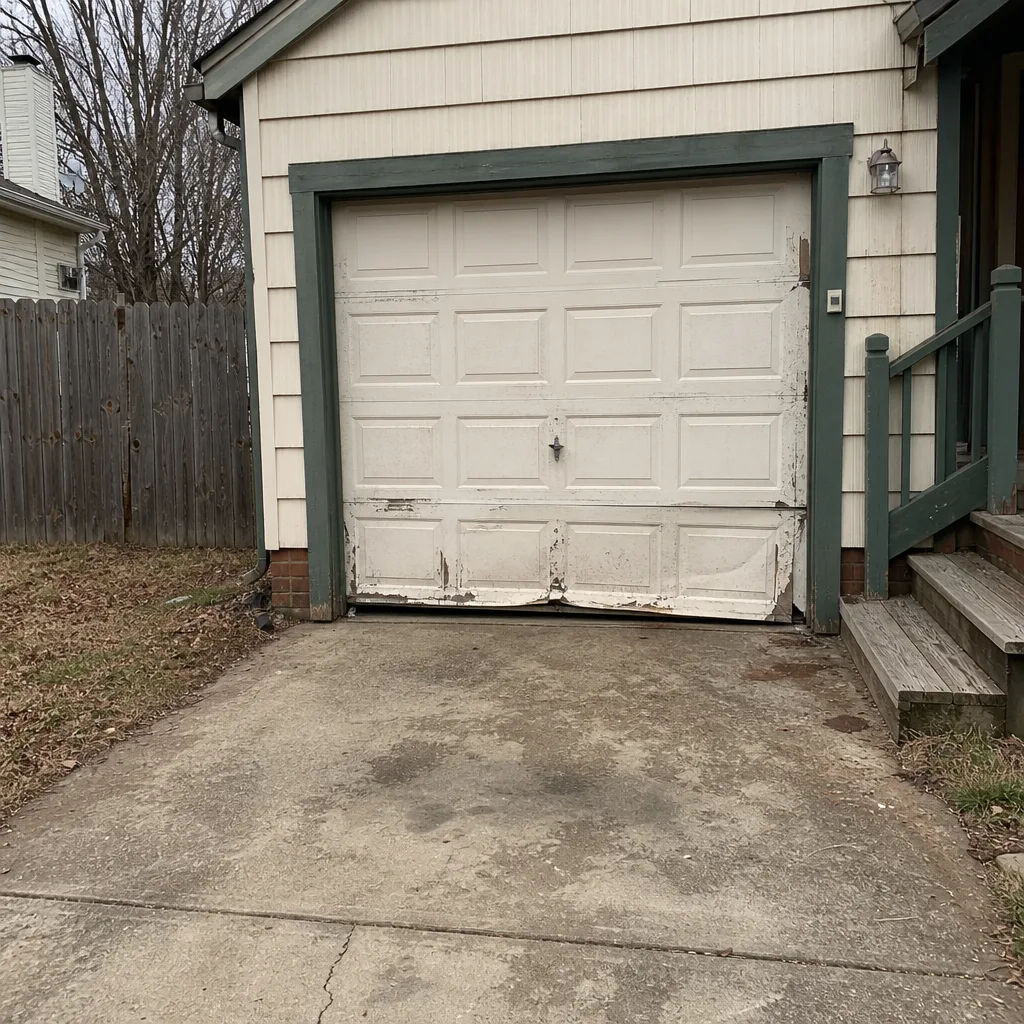 Before
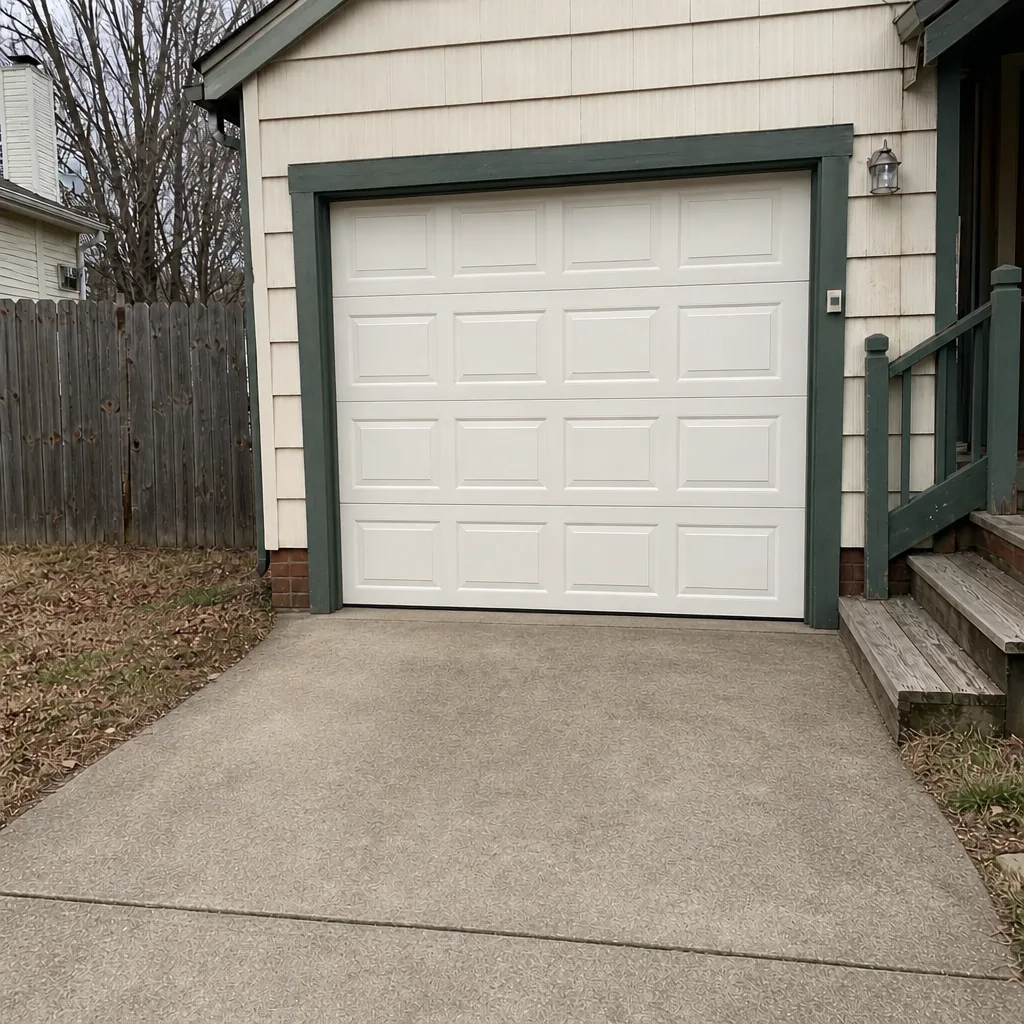 After
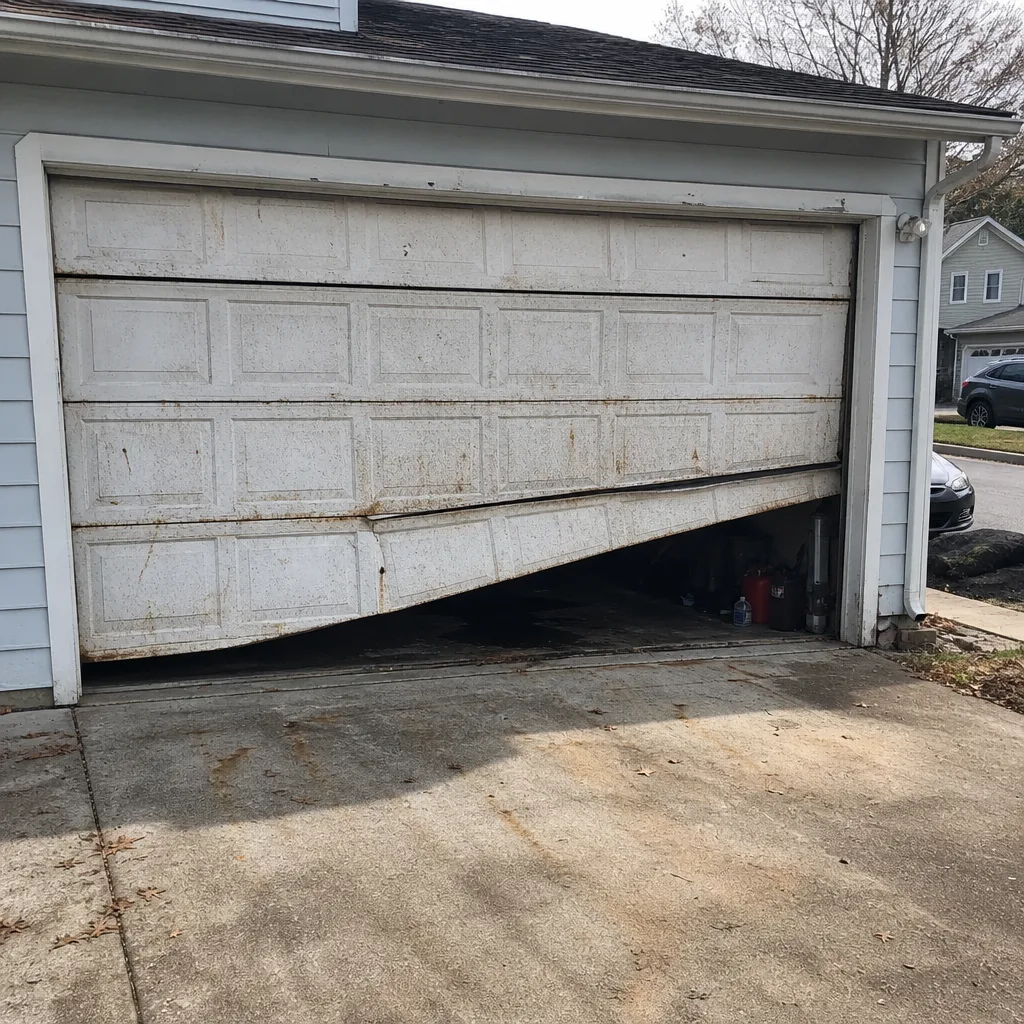 Before
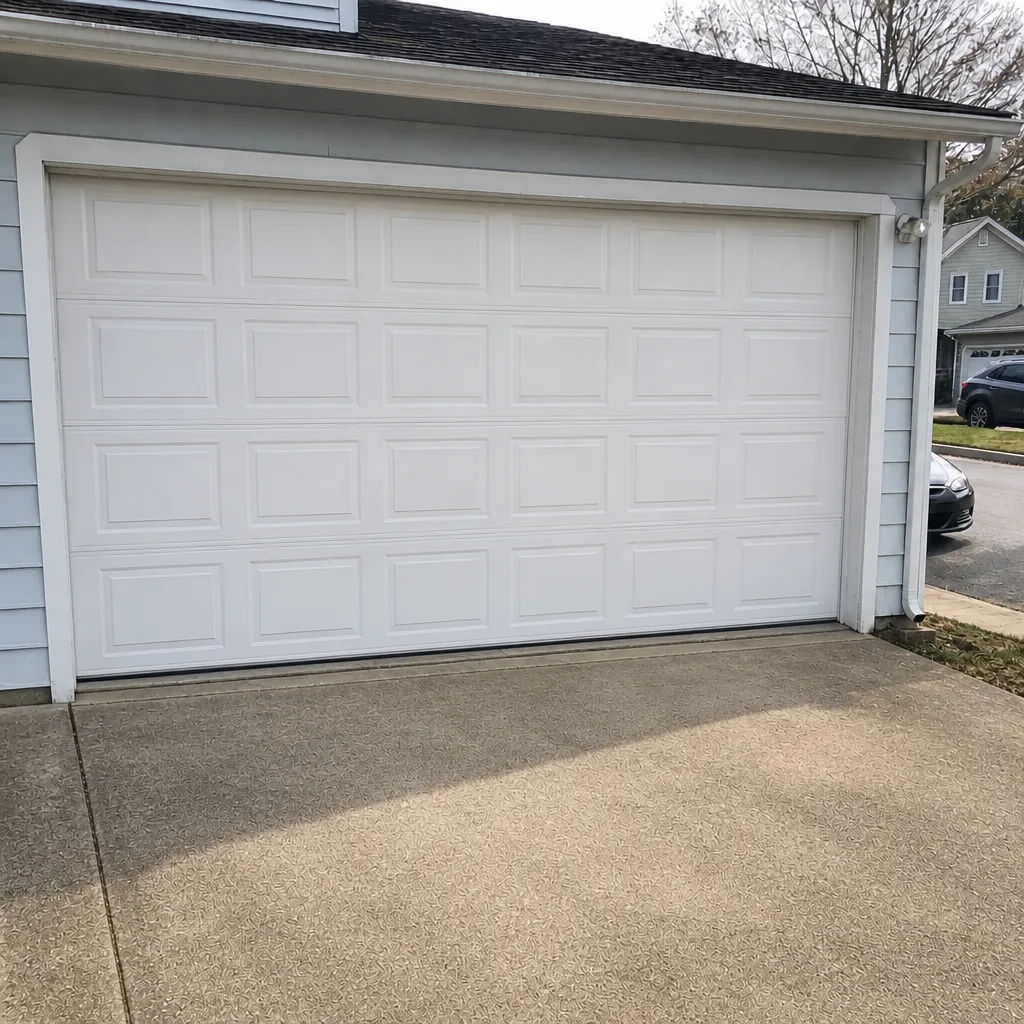 After
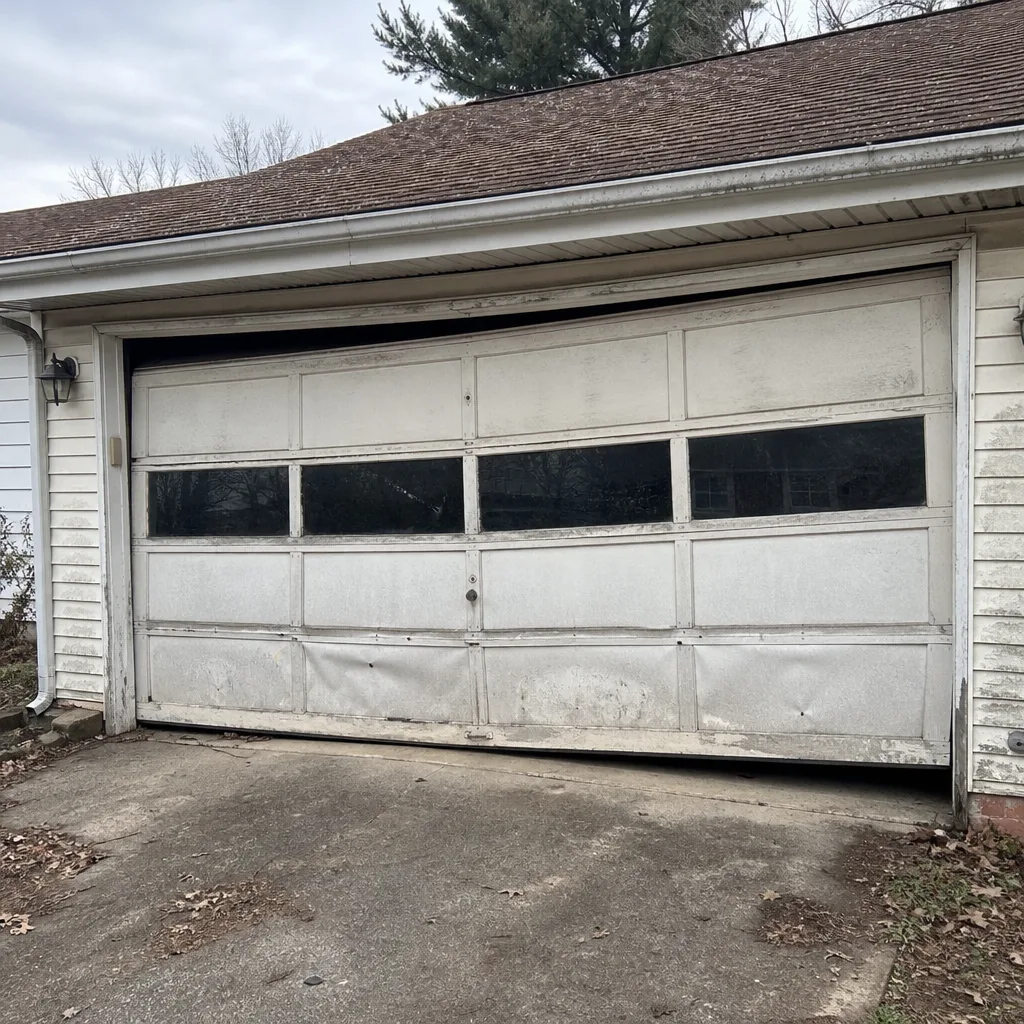 Before
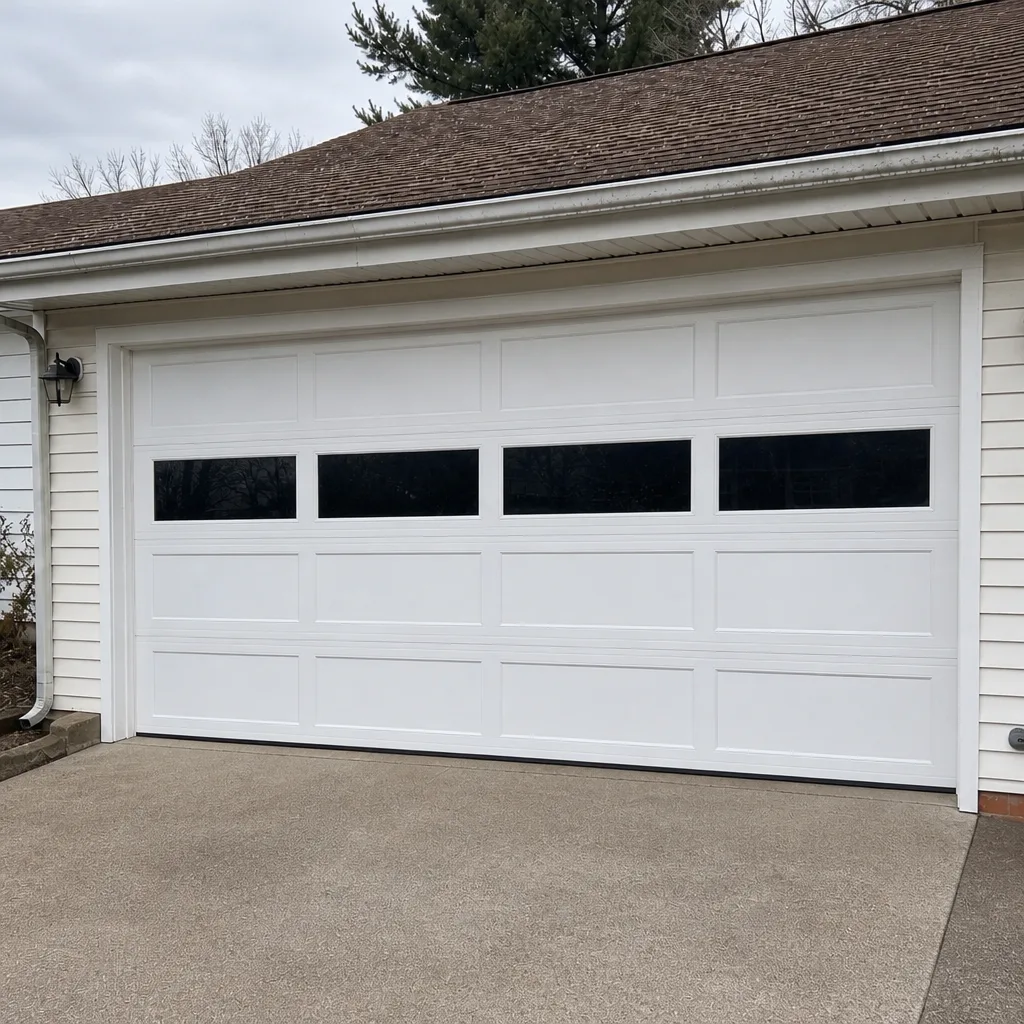 After
When to Call a Professional
Some garage door questions are paperwork questions and some are safety questions. We handle the safety ones. Call us if a spring has broken, the door is off its track, the opener stops or reverses unexpectedly, the door slams or won’t stay up on its own, or you hear a loud snap from the torsion tube. Call us if a car has hit the door, if the panels are cracked or bent, or if the door is stuck and you can’t get the car out. We also handle brand-specific diagnosis for LiftMaster, Chamberlain, Genie, Clopay, Amarr, Wayne Dalton, Craftsman, and Raynor, so you don’t need to figure out which specialty fits your system. Garage Door Repair Dale City offers free estimates in Dale City. Call (844) 820-1801.
Frequently Asked Questions
Often no, if it’s a like-for-like replacement in the same opening, but a permit is usually required if the opening size changes, the header is modified, a new electrical circuit is added, or the garage is converted. Call the Prince William County building department with your specific scope to confirm before ordering the door. Call (844) 820-1801 for an estimate on the door work itself; estimates are free.
No. The county permit is a building code review, and HOA architectural approval is a separate review by your association for appearance and deed restrictions. Most Dale City HOAs require approval for any visible exterior change, including a color change. Do both, and do the HOA approval first. Call (844) 820-1801 if you want a recommendation on which door models tend to clear HOA review.
Typical estimated ranges are roughly $900 to $2,600 for a like-for-like replacement, depending on size, material, and insulation. Structural changes that require a permit push the cost up, and the county permit fee is a separate line item. The written estimate sets the final price, and it’s agreed before any work starts. Call (844) 820-1801 for an exact quote; estimates are free.
Yes. We offer emergency garage door service for situations that can’t wait, and same-day repair is often available depending on scheduling. A snapped spring or an off-track door is a safety issue, and it’s worth calling right away rather than waiting. Call (844) 820-1801 and we’ll tell you the earliest we can get there.
No. The estimate we give you before work starts is the price. If the inspection turns up something the estimate didn’t anticipate, we stop and talk to you before doing anything extra, and you approve the change before we proceed. Call (844) 820-1801 to book a free estimate.
The local professionals we connect you with are licensed and insured as the state of Virginia requires for their trade, and we ask the same of anyone who does structural or electrical work on a permitted job. We don’t put a permit number on work that doesn’t need a permit, and we don’t claim a certification number we don’t have. Call (844) 820-1801 with questions about how a specific job gets handled.
The Bottom Line
Garage door permits in Dale City come down to scope, not the door itself. A like-for-like replacement usually moves forward without a county permit; a change in opening size, a new opener circuit, or a converted garage usually doesn’t. HOA approval is a separate track and is easy to forget until it’s a problem. Keep the paperwork for any replacement, confirm permit history on a home you’ve just bought, and get a safety inspection before a sale. When something breaks, spring or opener or door, get a trained technician out. Our technicians have up to 13 years of experience across eight major brands, and we’ve seen what happens when a permit question gets answered late. Answering it early is always cheaper.
If you’re in the middle of a garage door project in Dale City and want a straight answer on the door side of it, call Garage Door Repair Dale City at (844) 820-1801 for a free estimate. We’ll walk through the scope, tell you what needs a permit and what usually doesn’t, and give you a written price before anything starts.
Written by the team at Garage Door Repair Dale City.